Summary
Ultimate Guide to Selecting the Perfect Backup Generator: Stay Powered and Never Be Left in the Dark Backup generators are vital for maintaining electricity during outages, protecting both homes and businesses from financial losses and disruptions. With various types and features available, including portable, standby, and inverter generators, selecting the right one involves considering power needs, fuel options, environmental impact, and budget. Understanding these factors helps ensure that a generator provides reliable, efficient, and sustainable power when it’s needed most.
Importance of Backup Generators
Backup generators are crucial for preventing operational disruptions during power outages. They protect essential equipment and systems, safeguarding against financial loss and ensuring safety in homes and businesses. Technological advancements have enhanced their functionality, making them not only reliable but also more environmentally friendly.
Types of Backup Generators
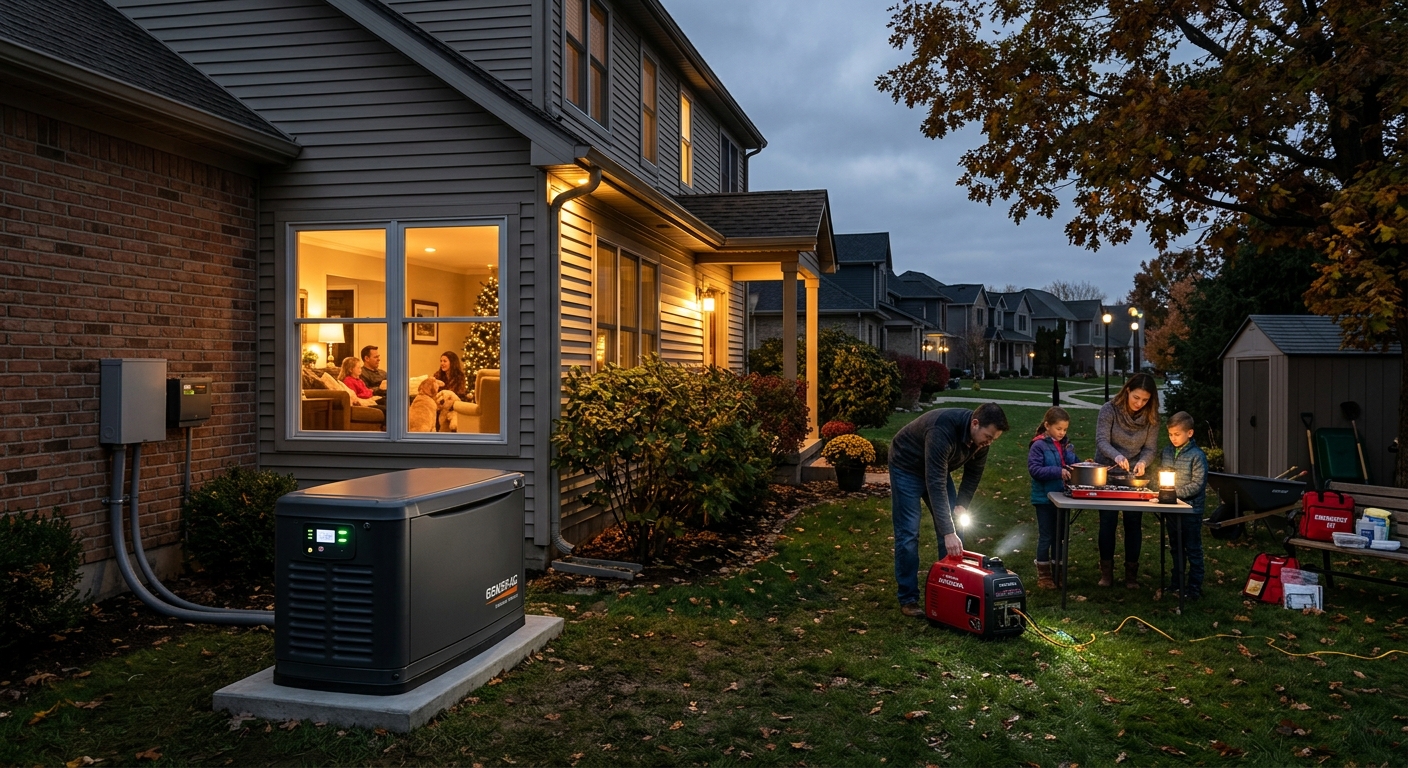
Understanding the different types of backup generators is essential for matching them to your needs. There are two primary categories: portable and standby generators. Portable generators are manually operated and versatile, suited for temporary use, while standby generators automatically detect outages and provide seamless power to critical loads.
Portable Generators
Portable generators offer flexibility for temporary power needs but require manual setup and fueling. While they provide mobility for various applications, including events and emergency backups, they typically have a shorter runtime and limited power capacity. Models featuring inverter technology produce clean power ideal for sensitive electronics, with dual-fuel options increasing versatility.
Standby Generators
Standby generators provide automatic, reliable power during outages, connecting directly to your electrical system through a transfer switch. They are best suited for homes or facilities requiring uninterrupted service, using natural gas, propane, or diesel. Proper installation and maintenance are crucial for ensuring efficiency and readiness.
Inverter Generators
Inverter generators are a specialized type of portable generator, producing stable electricity by converting raw power for sensitive devices. They are compact, quieter, and typically more fuel-efficient than traditional generators, but may have shorter runtimes.
Fuel Types and Considerations
Choosing the right fuel type impacts efficiency and reliability. Natural gas, diesel, and propane each have unique advantages. Diesel is robust but can be noisy and less eco-friendly, while natural gas offers lower emissions but may have risk considerations in certain areas. Propane provides a clean alternative with storage challenges, making fuel choice a critical factor in generator selection.
Key Factors to Consider When Selecting a Backup Generator
Evaluating key factors for selecting a generator is essential for meeting your specific power requirements. Consider fuel type, power needs, installation space, budget, and maintenance requirements to ensure effective and safe operation.
Fuel Type and Availability
Fuel choice significantly influences generator performance and operational impact. Natural gas tends to be efficient and cost-effective but depends on availability. Diesel offers robustness but requires careful management and has higher emissions, while propane presents storage complexities against its cleaner profile. Assessing local fuel access is vital for planning your generator’s operational readiness.
Power Requirements and Generator Sizing
Accurate power assessment is critical. Calculate the total running watts needed for essential appliances and add a safety margin of 25% to avoid overloads. Identify which appliances have higher starting wattages and ensure your generator can support both running and peak requirements effectively.
Installation Requirements and Safety Considerations
Sizing and installing generators requires adherence to safety standards and regulations. Proper placement ensures safety and compliance with guidelines like NFPA 37. Use of a transfer switch is crucial for safe and effective power management during outages.
Cost and Financing
The investment range for generators varies widely based on type and capacity, often between $8,000 and $16,000, including installation. Consider overall lifecycle costs and financing options to manage budget effectively, weighing upfront costs against long-term maintenance expenses.
Environmental Impact and Maintenance
Understanding the environmental implications of generator choice helps in selecting sustainable options. Regular maintenance is vital for performance longevity, minimizing emissions, and ensuring efficient operation. Proper servicing and adhering to maintenance schedules will enhance the sustainability of backup power systems.
Assessing Your Power Needs
Determining your power needs starts with listing essential devices you want to operate during outages. Calculate the total running watts needed and add a buffer for safety. An accurate assessment ensures you select an appropriately sized generator that can efficiently meet your household’s demands.
Fuel Options and Their Advantages and Disadvantages
When evaluating fuel options, consider diesel, propane, and natural gas. Each offers distinct operational benefits but comes with trade-offs. Diesel provides high power but higher emissions, propane offers clean burning but storage challenges, while natural gas paves the way for continuous operation but depends on local infrastructure.
Installation and Maintenance
Ensuring proper installation and ongoing maintenance is key to maximizing generator reliability. Compliance with installation standards and regular servicing contributes to optimal performance and safety. Ultimately, investing in upkeep will pay off in performance over the long term.
Costs and Budgeting
Effective budgeting begins with understanding total generator costs, including installation and equipment. Whole-home natural gas systems generally range from $10,000 to $12,000, while battery backups may exceed $19,000. Regular maintenance and fuel costs must also be factored into your overall financial planning.
Environmental Impact
The environmental sustainability of backup generators is driven by fuel choice and operational practices. Diesel systems emit higher pollutants, while natural gas provides a more eco-friendly alternative. Responsible disposal and recycling of components at the end of the generator’s lifecycle also play vital roles in mitigating environmental harm.
Advances in Control Systems and Automation
Modern generators incorporate advanced control systems that enhance performance and reliability. Remote monitoring features enable users to manage operations efficiently, while automation optimizes energy distribution during use. These advancements contribute to a more user-friendly experience and ensure that generators meet the power demands of contemporary lifestyle.
Reliability of Generators in Different Emergency Scenarios
The generator’s reliability hinges on appropriate sizing and type selection according to specific needs. Standby generators provide robust, automatic solutions for continuous power, while portable units offer flexibility for short-term outages. Understanding expected power requirements and ensuring regular maintenance ensures reliable performance across various emergency situations.
Technical Comparisons
Technical understanding between generator types aids in selecting the right one. Inverter generators are quieter and cleaner but may lack power for heavy duties compared to traditional generators. Fuel types also dictate technical suitability, affecting emissions, cost, and performance based on specific applications.
Proper Sizing of Backup Generators
Sizing a generator correctly requires listing essential equipment and calculating required wattage. Ensure your choice accommodates maximum anticipated usage, including peak starting wattages. Consulting experts can streamline this process and help ensure compliance with local codes and safety standards for installation.
Regulatory and Legal Considerations
Compliance with regulatory standards is necessary during generator selection and installation. Follow safety guidelines set forth by relevant authorities to prevent hazards and ensure operational legality. Also ensure your fuel supply logistics adhere to local regulations for safe handling and storage.
Tips for Maximizing Generator Efficiency and Longevity
Regular maintenance, test runs, and correct load management are essential for maximizing a generator’s lifespan and efficiency. Proper fuel storage, adherence to usage guidelines, and ongoing inspections can prevent costly breakdowns and enhance safety during critical power outages. Planning your power strategy in advance ensures ideal performance during emergencies.
Frequently Asked Questions
How do I determine the right size backup generator for my needs?
Start by listing devices you want to power and calculate their total wattage requirements to inform your generator capacity needs effectively.
How long will a generator run based on its power capacity?
The runtime of a generator depends on the load it carries, with lower loads extending operational time.
What should I consider when planning to use a backup generator?
Outline specific usage scenarios and ensure the generator selected has adequate capacity for critical appliances to avoid undersizing.
The content is provided by Blake Sterling, Front Signals