
Appointment Overview
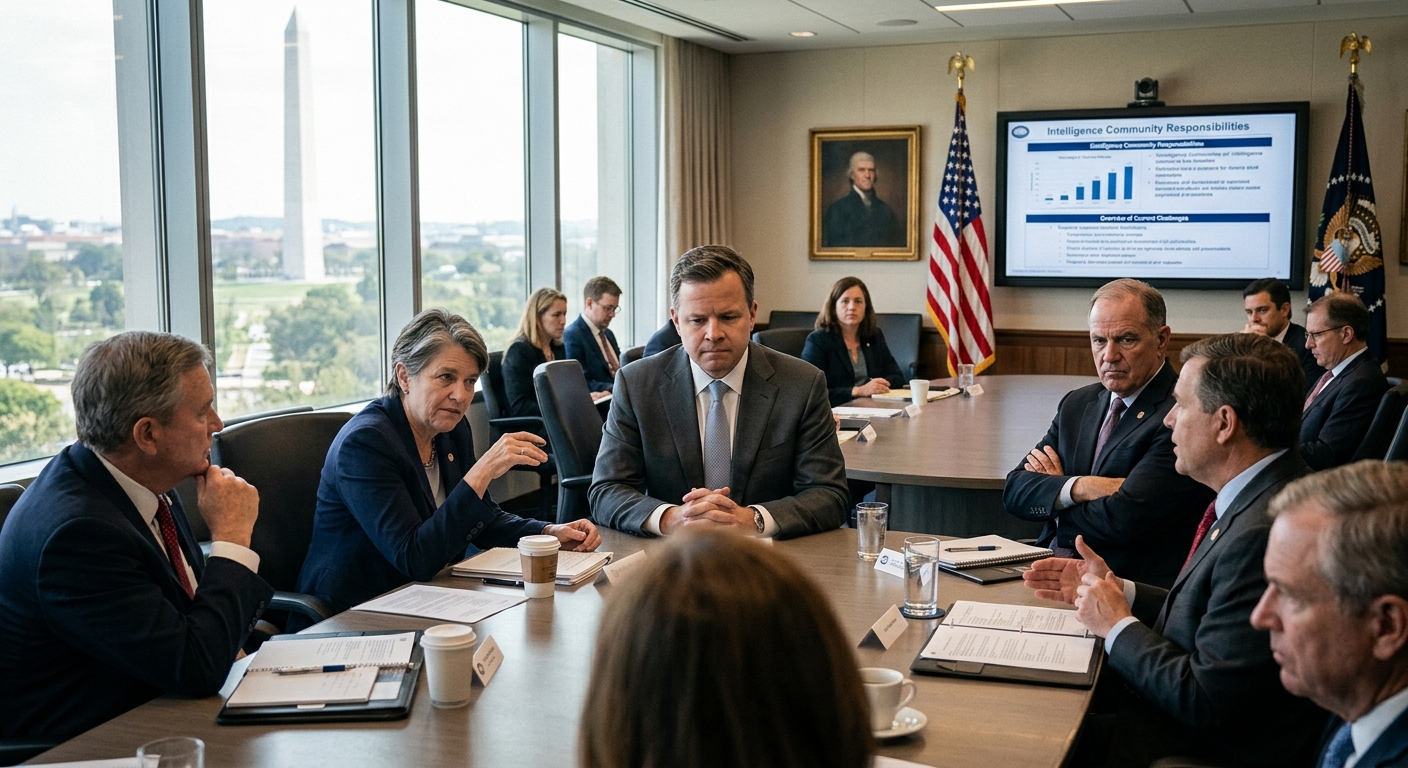
Bill Pulte was appointed as acting Director of National Intelligence (DNI) by President Donald Trump in 2025, with significant controversy surrounding his selection due to his lack of national security experience. Unlike typical DNIs who have extensive backgrounds in intelligence or military service, Pulte came from a housing finance and corporate management background, lacking the essential qualifications expected for such a critical role. Lawmakers from both parties expressed doubts about his ability to effectively lead the U.S. Intelligence Community, emphasizing the importance of professional credentials in this cabinet-level position, which rectifies security coordination among vital agencies like the CIA and NSA.
The decision to appoint Pulte bypassed the Senate confirmation process intentionally, which raised bipartisan concerns about politicization in a role that traditionally demands rigorous standards. Lawmakers voiced apprehensions about the implications of Pulte’s loyalty to Trump overshadowing merit-based evaluation, with further scrutiny stemming from alleged misuse of federal resources during his previous tenure at the FHFA. This controversy prompted Trump to clarify that Pulte’s appointment was temporary, alleviating some concerns but not erasing doubts about professional qualifications.
Political Reaction
Pulte’s appointment triggered significant backlash from legislators, highlighting fears about the risks posed to national security. Prominent Democratic figures, including House Minority Leader Hakeem Jeffries and Senator Mark Warner, critiqued the decision as politically motivated rather than guided by expertise. They expressed that appointing someone without security credentials could undermine oversight efforts, particularly regarding FISA’s Section 702, which governs surveillance protocols. Concerns from Republican senators illustrated a rare instance where a president’s nominee faced bipartisan disapproval, as they echoed sentiments emphasizing the necessity of professionalism in the DNI role.
The controversy around Pulte complicated ongoing legislative discussions, as Congress sought bipartisan support for critical intelligence legislation amid concerns that his leadership could damage public trust in intelligence operations. While Trump characterized Pulte’s appointment as interim—underscoring a search for a more suitable permanent candidate—the political backdrop suggested that the administration aimed to maintain functional leadership despite substantial criticism.
Concerns about Qualifications
The fundamental issue surrounding Pulte’s selection rested on his qualifications and the established standards for the DNI position. Historical precedents reveal that past appointees typically possessed military or intelligence training, creating a stark contrast with Pulte’s experience in financial management. This disparity raised serious questions about Pulte’s capacity to navigate the complexities of U.S. intelligence, particularly during a time of heightened political tensions. Lawmakers asserted that national security should not be compromised by political maneuvers, highlighting the importance of seasoned professionals in intelligence leadership roles.
Furthermore, Pulte’s previous role at the FHFA attracted scrutiny for alleged misappropriation of agency resources for political ends, deepening skepticism about his judgment and independence. Critics voiced concerns that his approach could similarly politicize intelligence functions, thereby risking the integrity and trust further crucial to effective intelligence operations.
Comparative Context
Examining Pulte’s qualifications relative to previous DNIs underscores a significant shift in the criteria for such high-level national security roles. Unlike traditional appointees who possess a demonstrated commitment to national security, Pulte’s background lacks the requisite military or intelligence experience, which is highlighted by statutory guidance favoring candidates with relevant military or intelligence training. This departure from conventional expectations reflects broader tensions between political considerations and the foundational requirements of intelligence leadership in safeguarding national security.
The uncertain future of the DNI appointment exacerbates concerns about the alignment of the position’s demands with the capabilities of its current holder. Moving forward, stakeholders will likely delve into the implications of Pulte’s leadership and its effects on congressional oversight and public confidence in intelligence agencies during a period marked by division and scrutiny.
The content is provided by Jordan Fields, Front Signals