Summary
A backup generator ensures a reliable electrical supply during outages, serving both homes and businesses. Key functions include maintaining critical systems like medical equipment and refrigeration, which safeguard safety and business continuity. Choosing the right type—portable or standby—depends on your power needs and usage scenarios, with proper evaluation of power capacity, fuel type, noise levels, and safety considerations being essential for effective decision-making.
Importance of Backup Generators
Backup generators are crucial for maintaining power during emergencies, directly impacting safety and operational stability. They help prevent financial losses and damage to reputation due to service interruptions. For environments requiring continuous operation, their reliability enhances disaster preparedness and business continuity.
Types of Backup Generators
There are primarily two categories of backup generators: portable and standby generators, each suited for various power demands and use cases. Portable generators offer flexibility for temporary power needs, making them ideal for personal and remote applications. Standby generators provide automatic power supply during outages, better suited for permanent installations in homes and businesses.
Portable Generators
Portable generators, typically running on gasoline or propane, provide essential power for various applications, ranging from home emergencies to outdoor activities. Their inverter variants are efficient, quieter, and suitable for sensitive electronics. This portability and versatility make them a popular choice for many users.
Standby Generators
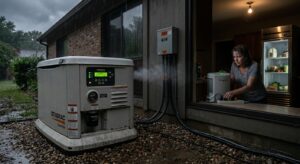
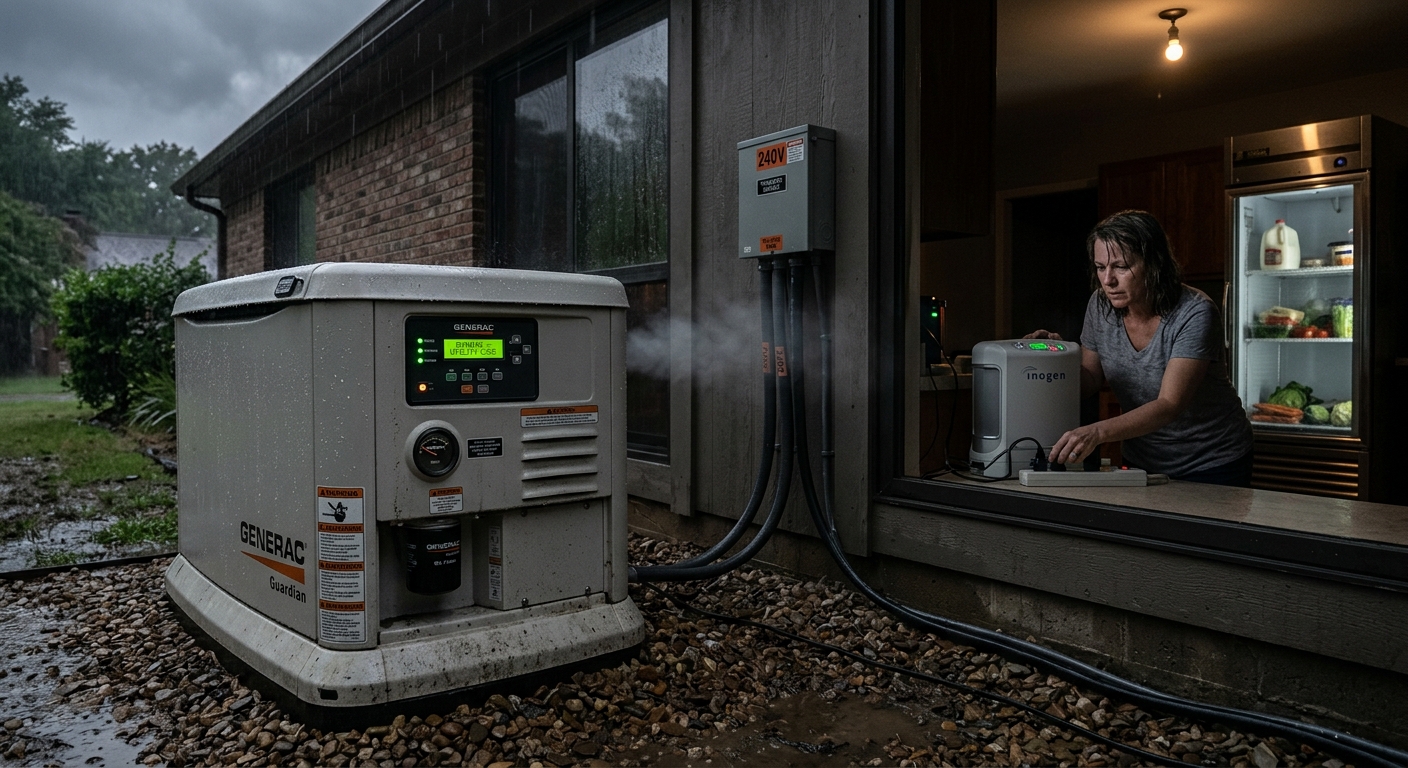
Standby generators are fixed designs that automatically activate during power failures, ensuring seamless power transfer for critical systems. They are usually fueled by natural gas or propane and are suitable for larger capacity needs, making them ideal for residential and commercial use where uninterrupted service is critical.
Industrial and Specialized Generators
Industrial generators serve high-capacity needs and are commonly used in demanding environments such as hospitals and manufacturing facilities. These units often feature advanced systems for reliability and efficiency, tailored to support extensive electrical requirements.
Key Factors to Consider When Selecting a Backup Generator
To select the right generator, assess essential factors such as power capacity, which should cover the total wattage of your devices. Consider the fuel type for efficiency and environmental impact, as well as portability based on your intended use. Noise levels are crucial, especially in residential areas, and the start mechanism affects user convenience. Installation should include necessary safety features, such as transfer switches, to prevent hazards.
Assessing Your Power Needs
Begin selecting a generator by listing appliances you wish to power, alongside their wattage needs. Accurately factor in running and additional starting watts for motor-driven devices to ensure your generator can manage surges. Choosing a generator capacity slightly above your calculated needs provides a buffer against future demands.
Sizing a Backup Generator
Proper sizing is critical and involves calculating the total wattage required for all devices during an outage. Include a margin for starting watts to avoid potential overload. Generator capacities may vary widely, and careful analysis of load types will guide you to the right choice suited to your specific needs.
Installation and Maintenance Considerations
Safe installation by a qualified electrician ensures reliability and compliance with local codes. Regular maintenance is essential for operational readiness, including routine checks and testing to identify issues proactively.
Installation
Installation of standby generators typically involves a transfer switch and can cost between $5,000 and $15,000. Ensuring adequate grounding and safety protocols protects users and meets regulatory standards.
Maintenance
Ongoing maintenance, including load testing and fuel assessments, is necessary to prevent problems and ensure peak performance. Proper documentation of maintenance activities also supports reliable operation over time.
Electrical Output Characteristics
Output characteristics vary among generator types, with portable models offering outputs from 1 kW to 10 kW for essential uses. Industrial units exceed 100 kW and are designed for demanding settings. Proper voltage regulation and careful sizing are integral to maintaining steady power supply.
Protective Devices and Safety Features
Safety features are vital in preventing electrical hazards when using generators. Essential safety devices include circuit breakers, transfer switches, and GFCIs. Regular maintenance and adherence to safety standards bolster the reliability of your systems during operation.
Budget and Cost Analysis
Understanding costs is essential for making a well-informed purchase. Residential generators may range from $2,000 to $20,000, plus installation and ongoing maintenance. Your choice of fuel significantly impacts overall expenses and could lead to considerable long-term savings.
Common Mistakes to Avoid When Selecting and Using Backup Generators
Avoiding common mistakes, such as miscalculating power needs or neglecting proper maintenance, can greatly enhance the effectiveness of your backup generator. Understanding fuel requirements and safety compatibility ensures optimal performance during outages.
Tips for Maximizing Backup Generator Performance and Longevity
Maximizing performance involves regular testing and careful selection based on specific power needs. A well-maintained generator acts as a reliable asset, minimizing potential downtime and protecting against service disruptions during outages.
The content is provided by Blake Sterling, Front Signals