
Summary
Cancer patients undergoing chemotherapy, often referred to as “chemo brain,” may experience cognitive impairments that significantly affect their quality of life. Symptoms include memory problems, attention deficits, and executive function challenges, impacting up to 75% of cancer survivors. Structured home-based exercise programs, like the EXCAP (Exercise for Cancer Patients) program, have shown promise in improving cognitive functions and overall quality of life by promoting neuroplasticity and reducing inflammation. Complementary approaches such as cognitive behavioral therapy (CBT) and lifestyle modifications further support cognitive health. Integration of these strategies into clinical guidelines is encouraged to aid patients in managing cognitive symptoms effectively.
Cognitive Impairment Overview
Chemotherapy-related cognitive impairment, or CRCI, leads to symptoms like memory lapses, attention issues, and mental fatigue, affecting a significant portion of cancer patients. Research indicates that cognitive declines may be caused by chemotherapy, cancer treatments, and the underlying disease itself. Various factors, such as age and comorbid conditions, can influence the severity of these cognitive challenges. Given the complexity of CRCI, accurate assessments combining self-reports and standard evaluations are crucial for understanding its impact on patients’ lives and guiding treatment.
Effective Strategies for Cognitive Improvement
Several effective strategies exist to help cancer patients cope with cognitive impairments during chemotherapy. Primarily, structured exercise regimens, pharmacological interventions, and cognitive therapies stand out as beneficial approaches. The EXCAP home-based exercise program combines aerobic and resistance training tailored to individual needs, resulting in improved cognitive functioning and decreased mental fatigue. Pharmacological options, although less consistent than exercise, are also being explored, alongside cognitive behavioral therapy, which has been effective in reducing emotional distress and indirectly supporting cognitive health. Lifestyle adjustments continue to play a role in enhancing cognitive resilience as well.
Exercise Benefits
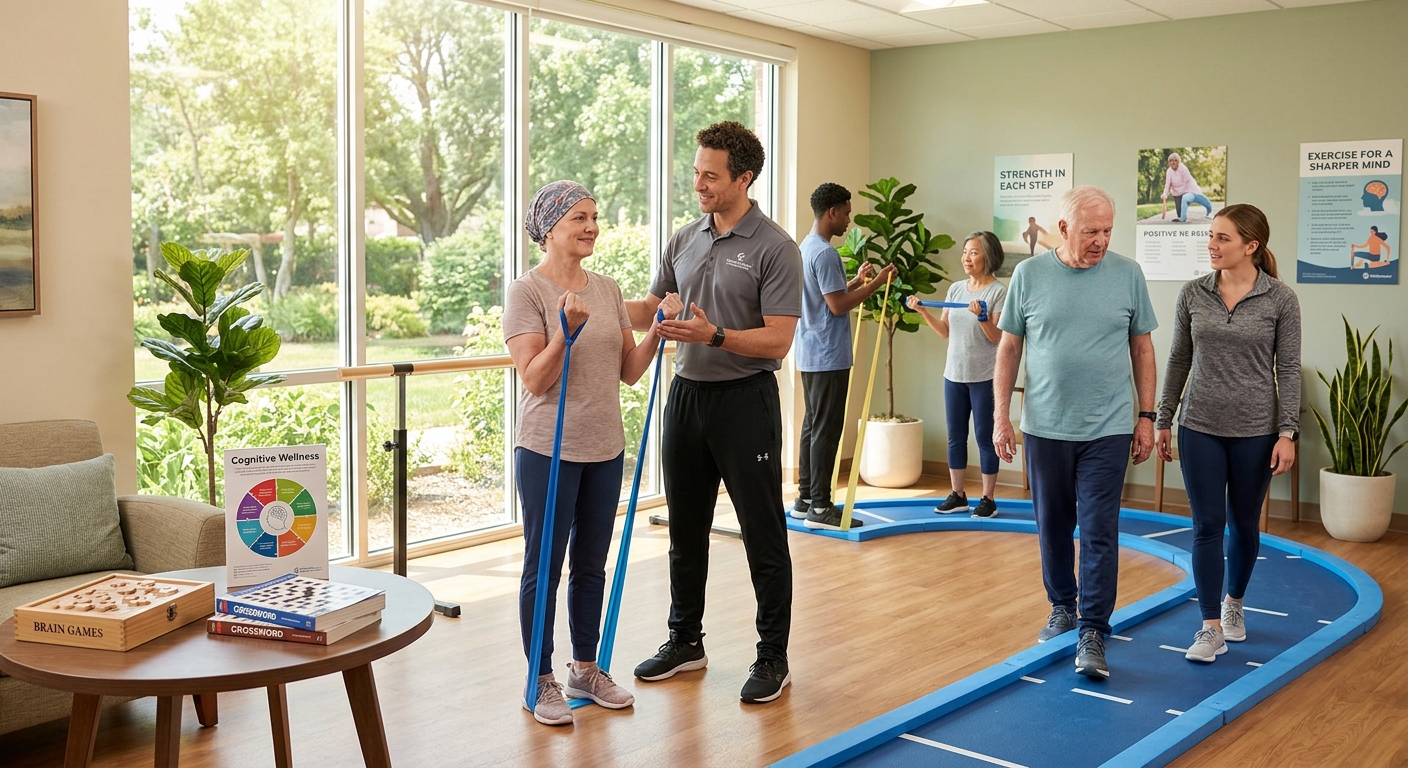
Exercise is a key strategy to enhance cognitive function during chemotherapy. The EXCAP program has demonstrated significant improvements in cognitive abilities, making it an effective intervention for patients. Mechanically, exercise facilitates brain health by improving circulation, reducing inflammation, and increasing neurogenesis. Regular aerobic activities, such as walking, not only boost cognitive function but also improve overall mental and physical well-being, which is essential given the psychological toll of cancer treatment.
Pharmacological and Behavioral Approaches
Pharmacological interventions may support cognitive function, though research is still evolving. Options like low-dose ibuprofen have shown potential benefits, but findings are inconsistent. Cognitive behavioral therapy (CBT) is particularly effective in addressing the emotional and cognitive challenges faced by cancer patients, offering tools to manage symptoms of anxiety and distress that can accompany cognitive decline. These interventions combined create a comprehensive approach to managing cognitive impairments during treatment.
Practical Recommendations for Implementation
To effectively implement strategies for cognitive support in cancer patients, a coordinated approach involving clinicians, healthcare systems, and policy changes is necessary. Clinicians should be trained to address exercise in patient care actively, fostering an environment conducive to discussing cognitive symptoms. Healthcare systems should enhance communication about the benefits of structured exercise and provide access to programs that are incorporated into treatment plans. Addressing the barriers to exercising, such as providing flexible scheduling and ensuring affordability, is vital to ensure that patients can benefit from these interventions consistently.
Conclusion and Moving Forward
As research progresses, understanding CRCI’s complexities and identifying effective interventions remains paramount. Emerging exercise programs and psychological therapies like CBT offer promising pathways to improve cognitive resilience during cancer treatment. Continued focus on patient education and systemic support is essential for enhancing the quality of life among cancer patients as they navigate the cognitive challenges posed by chemotherapy. Recognizing and validating these cognitive concerns is crucial for timely rehabilitation and care adjustments, ultimately fostering better treatment outcomes and patient well-being.
The content is provided by Jordan Fields, Front Signals