
Summary
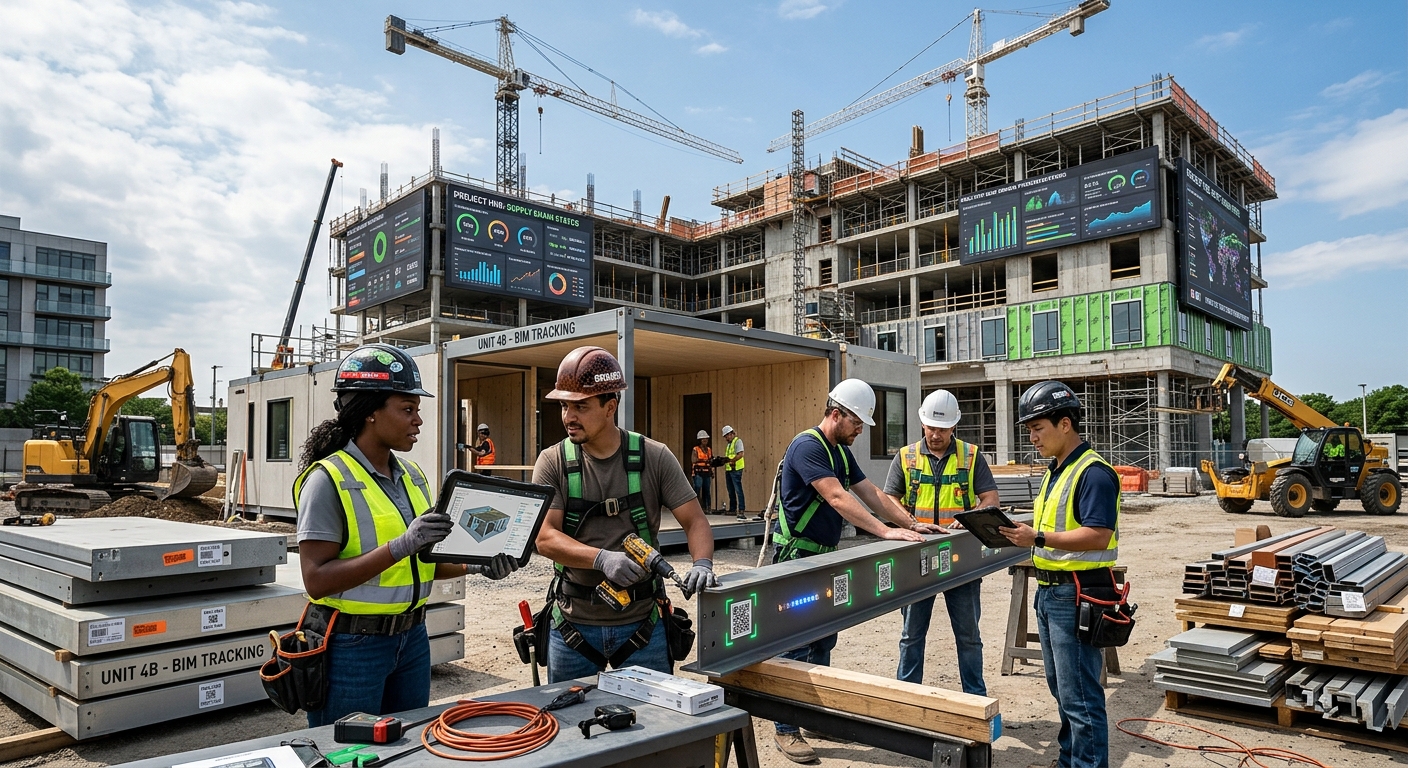
The construction supply chain is undergoing rapid transformation due to innovative technologies and evolving industry priorities that enhance material, labor, and information flow. Technologies like Building Information Modeling (BIM), the Internet of Things (IoT), artificial intelligence (AI), and blockchain are improving efficiency and collaboration, facilitating real-time tracking and predictive analytics. As sustainability gains importance, the adoption of eco-friendly materials and practices is critical, while challenges such as labor shortages and cybersecurity risks remain prevalent.
Emerging trends such as prefabrication and modular construction are essential for accelerating project delivery, improving quality control, and reinforcing supply chain resilience. These innovations require enhanced digital integration and skills development to meet the rising demands of the construction sector. The future of the industry signals a more digital, sustainable, and resilient infrastructure, yet challenges in workforce development and regulatory compliance need ongoing attention.
Game-Changing Technological Innovations
The construction industry is experiencing profound changes as advanced technologies like digitalization, BIM, IoT, AI, and blockchain reshape supply chain and sustainability practices. These innovations boost efficiency, enhance collaboration, and improve environmental responsibility, addressing key challenges faced by the sector.
Digitalization and Building Information Modeling (BIM)
Building Information Modeling (BIM) is central to the digital transformation of construction supply chains. It integrates design, procurement, and construction data into a single model, promoting cooperation among project stakeholders and streamlining project delivery. Standards such as ISO 19650 support effective data management and communication among participants.
Internet of Things (IoT) and Digital Twins
The Internet of Things (IoT) connects devices for real-time tracking of materials, equipment, and personnel, allowing for optimized operations and improved safety. Coupled with digital twins, these technologies give companies comprehensive insights into supply chain dynamics and predictive maintenance, enhancing decision-making efficiency.
Artificial Intelligence (AI) and Machine Learning
AI and machine learning are revolutionizing supply chain management by providing data analytics and demand forecasting, enabling companies to optimize inventory and reduce waste. These tools support improved decision-making and preparation for supply chain disruptions, making operations more resilient.
Automation, Robotics, and Advanced Manufacturing
Automation and robotics enhance construction supply chains by performing repetitive tasks with precision. Advanced robotics increase efficiency in labor-intensive tasks, while prefabrication techniques contribute to faster project delivery and greater cost-effectiveness.
Blockchain Technology
Blockchain technology enhances supply chain management with secure and transparent record-keeping. This technology builds trust among stakeholders and automates procurement processes, ultimately improving compliance and accountability across the supply chain.
Augmented Reality (AR) and Virtual Reality (VR)
AR and VR technologies facilitate better communication and collaboration within construction projects. They allow for immersive simulations and real-time data visualization, aiding in the planning and engagement processes throughout project life cycles.
Sustainable and Green Supply Chain Practices
Sustainable supply chain management is crucial to transforming the construction sector into a more environmentally responsible industry. This entails adopting eco-friendly materials, optimizing resource usage, and minimizing waste, enhancing overall competitiveness. However, challenges persist due to the fragmented nature of the industry, necessitating greater transparency and collaboration.
Digital tools can enhance procurement processes, while circular economy principles further reduce carbon footprints through material reuse and recycling. By fostering coordinated efforts among all supply chain participants, construction firms can achieve both environmental goals and improved operational performance.
Strategic Procurement and Risk Management
Strategic procurement has evolved in construction, leveraging technologies such as AI and BIM for better supplier coordination and risk assessment. These advancements streamline vendor evaluation and enhance cost control through real-time data analysis, allowing teams to respond proactively to risks and market fluctuations.
As cyber threats and geopolitical risks grow, understanding external factors impacting supplier reliability becomes crucial. Digitalizing procurement processes helps reduce conflicts and increase transparency among stakeholders, mitigating disruption risks and enhancing operational efficiency.
Prefabrication and Modular Construction
Prefabrication and modular construction are pivotal trends that improve efficiency and resilience within the construction supply chain. By manufacturing building components off-site, these techniques address labor shortages and streamline project execution, while BIM facilitates coordination among all parties involved.
Integrating eco-friendly materials supports sustainability goals, as companies aim to reduce their carbon footprint through innovative building practices. Training the workforce in these methods is essential for meeting rising project demands and achieving client satisfaction.
Workforce Adaptation and Skills Development
The construction industry faces significant workforce challenges due to demographic shifts, necessitating inclusion initiatives. Training programs focused on emerging technologies are vital in equipping workers with the necessary skills to meet industry demands and enhance productivity.
Economic, Regulatory, and Market Influences
The construction supply chain is influenced by economic challenges such as material shortages and globalization, which can expose firms to risks from trade disputes and cyber threats. Compliance with evolving regulations and safety standards remains critical as companies integrate technological advancements into their operations.
As market dynamics continue to shape the construction industry, data-driven approaches for inventory management and forecasting are becoming essential. Sustainability principles are increasingly relevant, driving the adoption of practices that reduce emissions and promote environmental responsibility within supply chains.
Future Outlook
The construction supply chain is gradually stabilizing after significant volatility, fostering optimism for the future. Anticipated trends include enhanced strategic planning and greater adoption of digital technologies, which improve transparency and partner coordination.
Continued advancements in sustainable practices will further shape the industry’s future, emphasizing the importance of risk management and supply chain visibility. As the landscape evolves, a focus on technological adoption and resilience will position the construction industry for enhanced performance in the coming years.
The content is provided by Sierra Knightley, Front Signals