
Summary
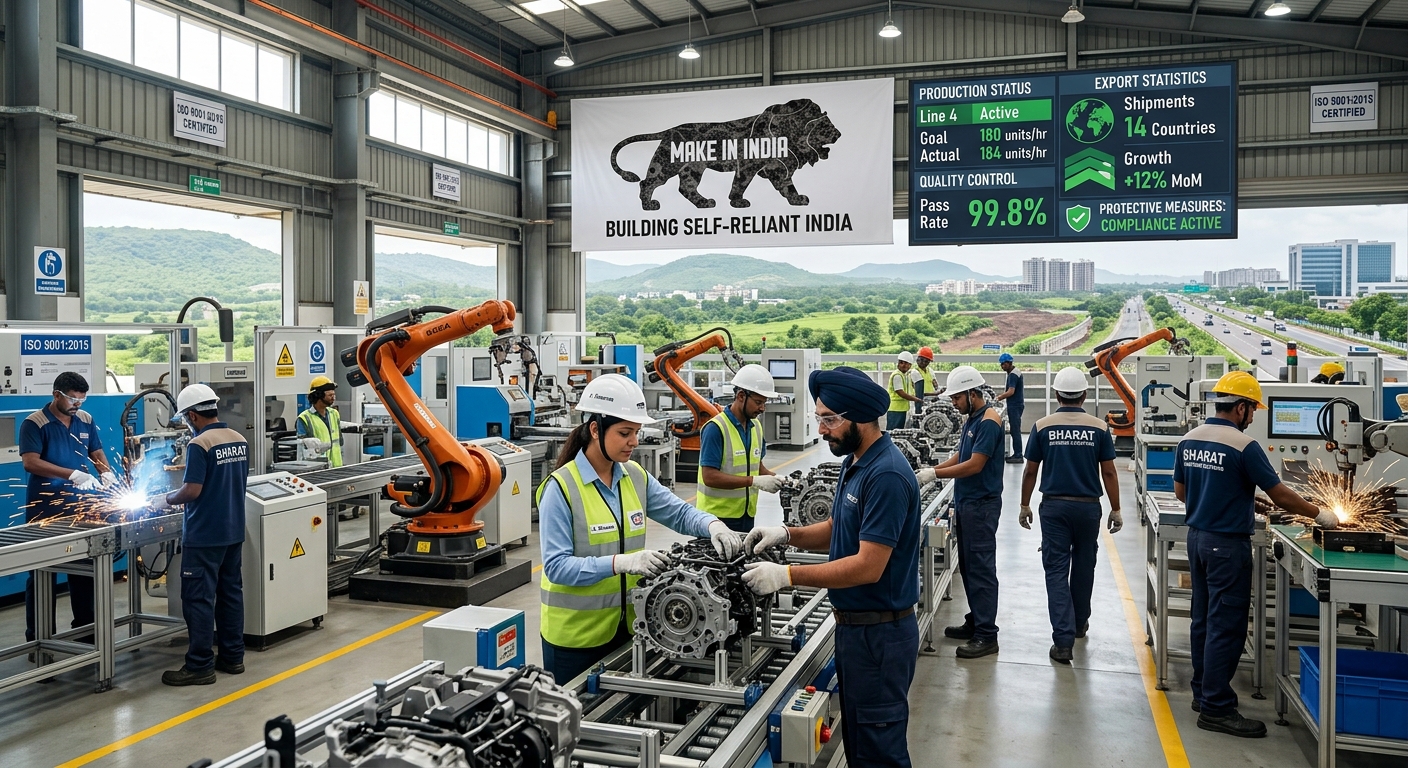
India is strategically prioritizing the protection of its domestic industries to maintain economic stability and promote growth, reflecting a global trend among nations, including developed economies, to implement protective measures against unfair trade practices like dumping. Commerce and Industry Minister Piyush Goyal highlights the importance of balancing these protections with an outward-looking approach, encouraging Indian businesses to engage in global markets through trade agreements, such as the recent EFTA discussions. The government supports innovation and self-reliance in key sectors, although critics warn that excessive protectionism may hinder competitiveness and innovation.
Reasons for Safeguarding Domestic Industries
The need to safeguard domestic industries is driven by the threat of unfair trade practices, such as dumping by foreign competitors. India seeks to maintain economic stability and protect vulnerable sectors, such as agriculture and MSMEs, from external shocks. Measures like anti-dumping duties are essential tools that align with global trade norms, helping to level the playing field while fostering innovation and building strategic national advantages in critical sectors like ICT.
Insights from Piyush Goyal
Piyush Goyal emphasizes that safeguarding practices, such as anti-dumping duties, are vital for protecting sensitive sectors during trade negotiations, which reflects India’s commitment to fair competition. He identifies the necessity for Indian businesses to engage confidently in global markets, encouraging them to prioritize local suppliers to enhance economic resilience. Goyal’s approach highlights the importance of balancing domestic protection with proactive measures to strengthen India’s role in international trade.
Comparative Analysis
India’s protective measures are comparable to those of other developed economies that aim to shield key industries from international competition amidst rising protectionism. Goyal points out that these strategies must operate within a rules-based framework of the WTO, while simultaneously fostering multiple FTAs to enhance market access. The focus on supporting domestic industries parallels historical models from countries that successfully built competitive advantages through selective protections while engaging globally.
Challenges and Criticisms
India’s protectionist strategies face criticism for potentially breeding inefficiencies and a reliance on subsidies, which historically hampered economic growth. Goyal acknowledges that excessive protection could lead to stagnation, advocating a shift toward competitiveness and participation in global markets. With the WTO’s current ineffectiveness complicating trade dispute resolution, India emphasizes a balanced approach that fosters foreign investment while safeguarding domestic industries.
Future Outlook
India’s economic trajectory depends on its ability to enhance domestic competitiveness while integrating into global markets. Goyal envisions this through innovation-led strategies, improved infrastructure, and modernized IPR laws that attract investment. As protectionist measures rise globally, India aims to navigate these dynamics through effective dialogue and partnerships, encouraging industries to focus on innovation and efficiency to secure sustainable growth amid changing trade landscapes.
The content is provided by Harper Eastwood, Front Signals