
Exploring Symbolism in Greek Mythology
Understanding the symbolism embedded in Greek mythology can enhance appreciation for its narratives and themes. These symbols—such as the Hero, Trickster, and various emblematic objects—offer deeper insights into human nature, morality, and the universe. They reveal timeless themes such as transformation and renewal, resonating with both ancient and modern audiences, making it essential to explore these symbolic meanings for a richer comprehension of the myths.
Interpreting Symbols in Greek Myths
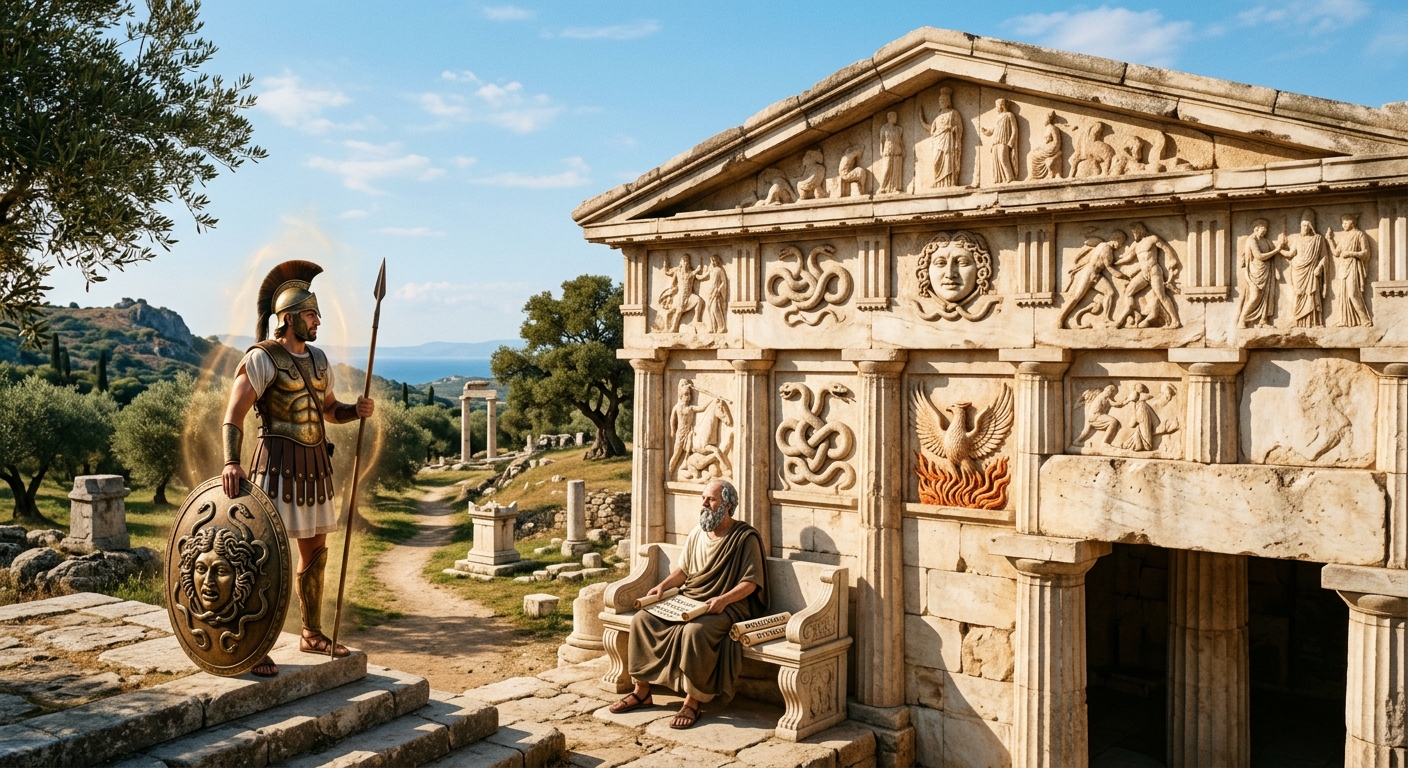
Greek myths use symbols to represent complex concepts. For example, the phoenix symbolizes rebirth, while serpents often signify wisdom, showcasing how these symbols reflect both cultural values and universal themes. Recognizing these associations aids in grasping the broader meanings of the mythological narratives and highlights recurring themes that transcend individual stories.
Notable Symbols and Their Significance
A range of symbols in Greek mythology conveys powerful ideas. The aegis represents divine protection and authority, appearing in the narratives of gods like Zeus and Athena, while the Gorgoneion serves as a protective emblem that combines beauty with terror. Additionally, the labrys symbolizes female strength and spiritual authority, showing how symbols hold multifaceted meanings rooted in cultural practices.
The Evolution of Symbolism
The reinterpretation of Greek mythological symbols spans centuries, showcasing their adaptability. From ancient art to contemporary branding, symbols like the thunderbolt of Zeus and the phoenix continue to represent themes of power and renewal. This evolution demonstrates the ongoing relevance of these symbols in expressing societal values while connecting modern culture with ancient traditions.
Cultural Impact of Greek Symbolism
Greek mythology’s symbolism has shaped various cultural expressions across time, influencing art, literature, and philosophical thought. These mythological references not only enriched ancient narratives but also laid the groundwork for future artistic endeavors. Analyzing these symbols within their historical and cultural contexts reveals insights into ancient Greek values while unveiling their long-lasting impact on Western civilization.
Philosophical Perspectives on Myths
The philosophical interpretation of Greek myths often uncovers deeper moral and metaphysical truths. Schools of thought such as Stoicism viewed myths as reflections of the struggle for virtue, while Neoplatonism linked them to higher spiritual realities. This examination of myths goes beyond their literal narratives, recognizing their role in shaping ethical understandings and existential inquiries.
Scholarly Analyses of Greek Symbolism
Scholarly perspectives emphasize the complexity of Greek mythological symbols as cultural communication tools. These symbols convey universal themes and reflect the worldview of ancient Greeks. Comparisons with other cultural myths further illustrate their significance in exploring shared human experiences, highlighting both the individual and collective meanings embedded in these age-old stories.
The Lasting Influence of Greek Myths
Greek mythology significantly influences modern culture, seamlessly integrating ancient symbols into contemporary artistic expressions. From films to literature, mythological motifs remain prevalent, reflecting their lasting appeal. This ongoing influence serves as a connection between ancient wisdom and modern narratives, reinforcing the relevance of Greek mythology in today’s cultural landscape.
The content is provided by Harper Eastwood, Front Signals