Summary of Trump’s Openness to Meeting Iran’s Supreme Leader
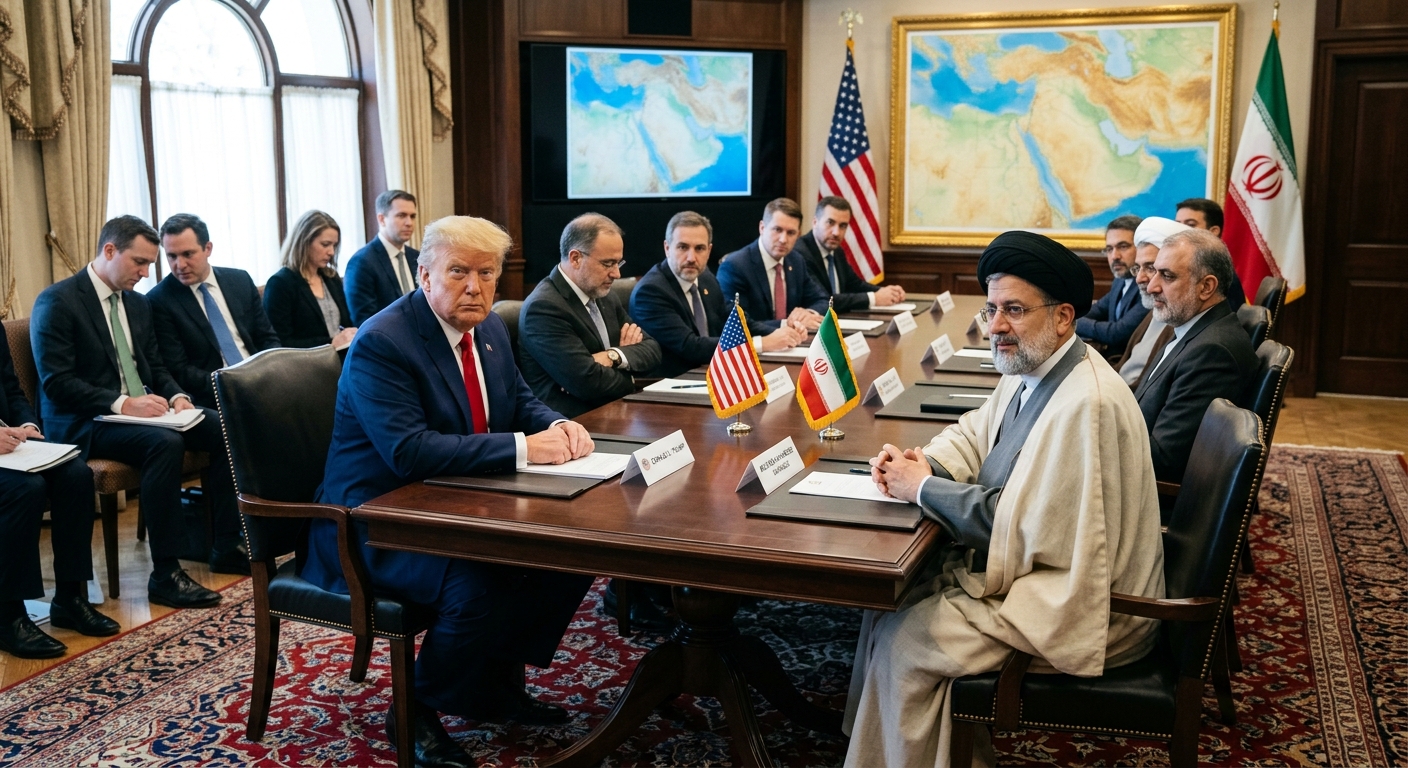
Donald Trump’s willingness to meet Iran’s new Supreme Leader, Mojtaba Khamenei, reflects a significant shift in U.S.-Iran relations and aims to address escalating conflicts, especially the nuclear dispute. This openness is particularly noteworthy given the adversarial backdrop established by Trump’s 2018 withdrawal from the Joint Comprehensive Plan of Action (JCPOA) and a stringent sanctions regime against Iran. The potential for a direct meeting signifies an unprecedented opportunity for dialogue, despite the persistent mutual distrust and varying opinions on the feasibility of such negotiations.
Current Conflict Context
The backdrop of Trump’s proposal is the ongoing war between Iran and Israel, which escalated dramatically following the death of former Supreme Leader Ali Khamenei. In light of this, Trump’s conditional offer for dialogue represents an attempt to pause military engagements and explore diplomatic resolutions. However, the legitimacy of these talks is challenged by both historical tensions and Iran’s insistence on preconditions, complicating the negotiation landscape and raising questions about the sustainability of peace efforts.
Mixed Reactions to the Announcement
Domestically and internationally, responses to Trump’s announcement have ranged from skepticism to cautious optimism. Supporters see it as a bold move that could pave the way for meaningful negotiations, contrasting with traditional diplomatic methods. Critics, however, express concerns about the potential ramifications of bypassing established protocols, indicating that such drastic measures could either facilitate breakthroughs or exacerbate existing tensions. Iranian officials remain wary, emphasizing unresolved issues and internal economic pressures that further complicate diplomatic flexibility.
Strategic and Political Implications
Trump’s approach may redefine U.S.-Iran relations by prioritizing unorthodox diplomacy over established norms; however, it faces significant challenges. The Supreme Leader’s dismissal of direct negotiations and insistence on clear preconditions signify deep-seated mistrust, which complicates any potential agreement. This dynamic underscores the need for both sides to reassess their strategies and the political implications surrounding possible shifts in foreign policy. Any progress will likely hinge on overcoming institutional barriers that restrict Iran’s leadership, adding layers of complexity to the negotiation process.
Historical Context of U.S.-Iran Engagement
Historically, direct interactions between U.S. officials and Iran’s Supreme Leader have been rare due to longstanding animosities and power dynamics within Iran’s political structure. The Supreme Leader holds significant authority over foreign policy, limiting the Ministry of Foreign Affairs’ role in establishing agreements. Although there have been indirect negotiations, true engagement requires a transformation in how both nations view and approach each other, making Trump’s openness to a meeting an unprecedented step that diverges from past interactions.
Recent Developments in Diplomacy
Subsequent to Trump’s announcement, negotiations continued amid continued skepticism from U.S. officials regarding Iran’s commitment to a deal. Recent talks, including high-level discussions involving international actors, reflected both ambition and significant obstacles, particularly the absence of direct involvement from the Supreme Leader. This ongoing uncertainty highlights the persistent barriers to establishing a viable agreement and indicates that much work remains before any substantial diplomatic breakthrough can be achieved.
Media Coverage and Public Opinion
Media narratives around Trump’s potential meeting with Iran’s Supreme Leader showcased a spectrum of opinions, emphasizing the unconventional nature of Trump’s diplomatic style while expressing concern over the risks involved. While some analysts appreciated the potential for surprising adversaries, there was widespread apprehension regarding long-term implications for global security. European officials and other stakeholders continue to navigate complexities in the relationship, underscoring the intricate geopolitical web at play as negotiations unfold amid increasing regional instability.
The content is provided by Jordan Fields, Front Signals