
Summary
Losing a vehicle registration document can be stressful, as it serves as proof of a vehicle’s legality on public roads. The absence of this document can lead to fines, license points, or even suspension if not resolved quickly. Each state has its own rules for recovering lost registrations, making it crucial to understand the specific steps required to mitigate potential legal issues and ensure compliance.
Causes of Misplacing Vehicle Registration
The loss of vehicle registration often stems from misconceptions about uniform registration processes across states, leading to errors during title transfers. Furthermore, daily handling of these documents can lead to misplacement or theft, especially if they are stored in easily accessible locations. Prompt replacement is critical, as delays can escalate legal risks not just for the owner but for other road users, emphasizing the need for careful document management.
Legal Requirements and Obligations Upon Loss
A lost vehicle registration requires immediate action to avoid serious legal repercussions. If unable to present registration to law enforcement, drivers may face fines and license points, potentially leading to suspension. Reporting the loss to law enforcement and obtaining temporary proof while awaiting replacement documents is advisable to minimize legal risks and maintain compliance.
Steps to Recover Vehicle Registration
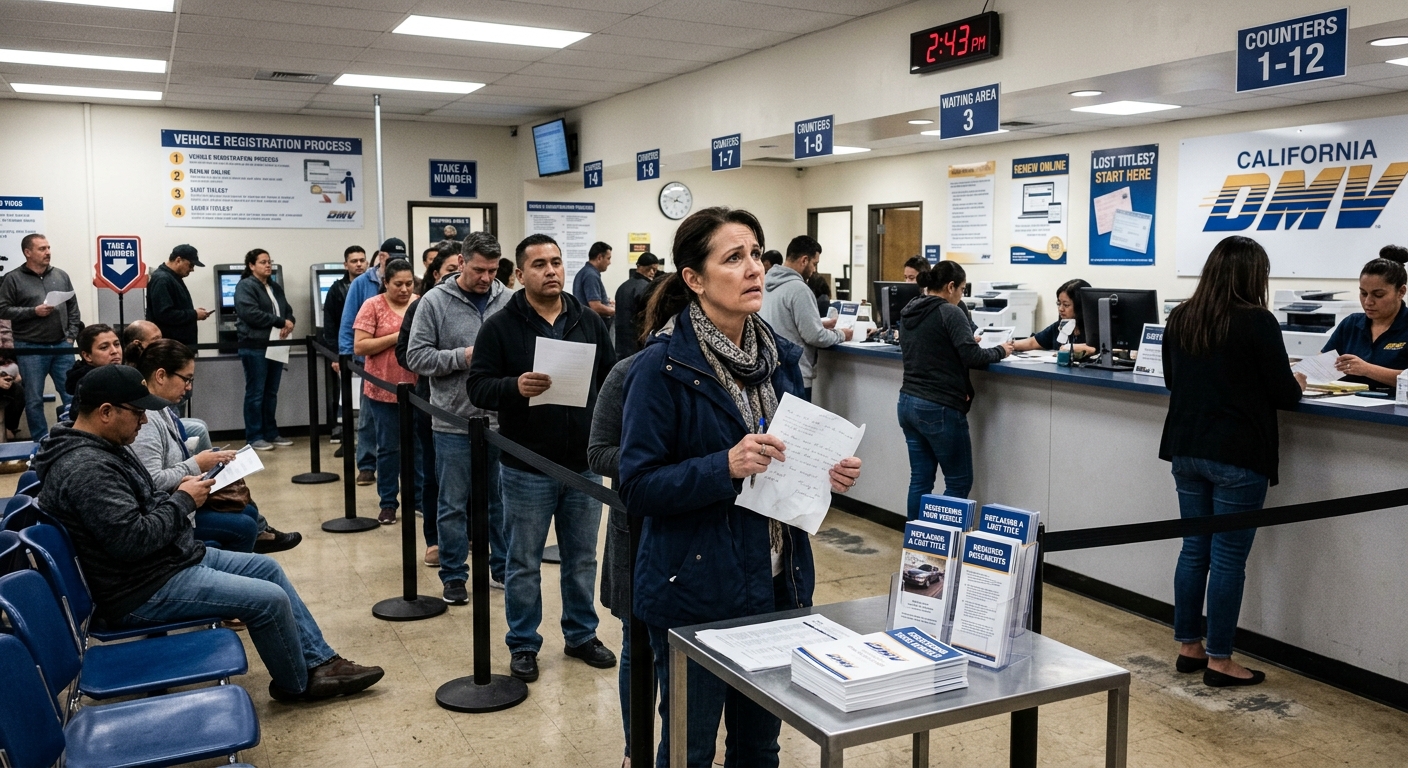
Recovering a lost vehicle registration is straightforward but requires attention to detail. Contact your local Department of Motor Vehicles (DMV) online or in person to request a duplicate. Prepare necessary information such as your vehicle identification number (VIN), proof of identity, and relevant vehicle details to expedite the process. Upon submission, ensure documentation quality is high to avoid delays in processing.
Identification and Verification Procedures
Accurate identification and verification are essential when replacing a vehicle registration. Motor vehicle agencies check personal identities against official databases to prevent fraud, and verification of vehicle details is conducted to ensure accuracy. Utilizing systems like the National Motor Vehicle Title Information System (NMVTIS) enhances this process by ensuring vehicle histories are legitimate, further safeguarding against fraud.
Fees and Processing Times
Replacement fees for vehicle registrations vary by state, affecting your total expense. In Florida, for example, costs can reach up to $70 for both registration and a plate. Understanding additional processing fees and service charges is important, as these can add to the final amount. Processing times can also differ, so it’s wise to consider potential delays, especially if a timely registration is needed.
Methods for Checking and Recovering Registration Information
Before starting the recovery process, confirm that your registration is truly lost. Each state’s DMV typically offers online, mail, or in-person application options for duplicates. Utilize official DMV resources for forms and guidance to ensure you meet all requirements without misinformation complicating the process. If unsure about your registration status, contacting the DMV for assistance can be beneficial.
Legal Consequences of Driving Without Valid Registration
Driving without valid registration is a traffic violation with varied penalties depending on state laws and specific circumstances. Common consequences include fines, points on your license, and even vehicle impoundment. Commercial vehicle operators face heightened penalties, and leaving the scene of an accident without valid registration may escalate legal repercussions further. Awareness of these potential consequences can guide compliance with registration requirements.
Preventive Measures to Avoid Losing Vehicle Registration
To reduce the risk of losing vehicle registration, store documents in a secure location and maintain digital copies for easy access. Regularly organizing vehicle paperwork and ensuring that documents are clear and legible can also aid in managing important records. Reporting theft promptly aids in preventing misuse and streamlines the replacement process.
Common Mistakes and Best Practices in Replacement Applications
When replacing a lost registration, avoid common pitfalls like submitting incorrect information or poor-quality documents, which can delay processing. Crucial to success is ensuring all required documentation is complete, so maintaining a detailed checklist can prove invaluable. Familiarity with state procedures and using streamlined online options can further assist in efficiently navigating the replacement process.
Frequently Asked Questions
Q: Can I recover my vehicle registration without requesting a duplicate?
A: Yes, in some cases, you may have access to your registration information online or through other official channels.
The content is provided by Jordan Fields, Front Signals