Summary
Unlock Your Power is a comprehensive guide for selecting and maintaining backup generators, focusing on ensuring reliable emergency power for homes and businesses. The guide details various types of generators and the importance of matching their capacity, fuel type, and features to specific power needs. It also discusses the technicalities of generator engines and fuel options, offering insight into operational considerations like installation and maintenance to avoid common failures. Environmental impacts and emission regulations are also examined, helping readers consider cleaner technologies alongside traditional options. Through practical examples and clarified misconceptions, readers can make informed decisions about their backup power needs.
Purpose and Importance
Backup generators are vital for ensuring business continuity during outages, maintaining essential safety operations like fire alarms and security systems. Critical facilities, including hospitals and data centers, must remain functional, as any disruption can have severe consequences. Comprehensive monitoring is critical to protect investments and ensure readiness, as evidenced by incidents where inadequate backup systems severely impacted services. Therefore, a tailored assessment of power needs is essential for preventing unnecessary expenditures while guarding against unexpected outages.
Types of Backup Generators
There are several categories of backup generators to consider, based on specific power needs and applications. Emergency generators, standby generators, and primary generators cater to different situations, while different fuel types influence performance and availability.
Portable Generators
Designed for temporary use, portable generators are movable and vary in size relative to specific power needs. They typically use 4-stroke engines, which enhance reliability and reduce pollution compared to 2-stroke engines. These generators are suitable for powering essential appliances during short outages.
Standby Generators
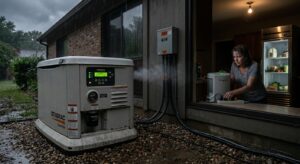
Standby generators automatically activate during an outage and are ideal for providing continuous power to larger homes or facilities. Due to their significant power output, professional installation is often required for these permanent units.
Inverter Generators
Inverter generators deliver cleaner, stable power suitable for sensitive electronics, facilitated by an internal inverter. Their recent innovations improve user experience with app controls and monitoring capabilities.
Emergency Generators
These generators support critical systems during outages, providing short-term power to essential circuits until the main supply is restored.
Primary Generators
Used in remote locations or industries requiring consistent off-grid power, primary generators deliver continuous solutions for high-demand settings.
Fuel Types
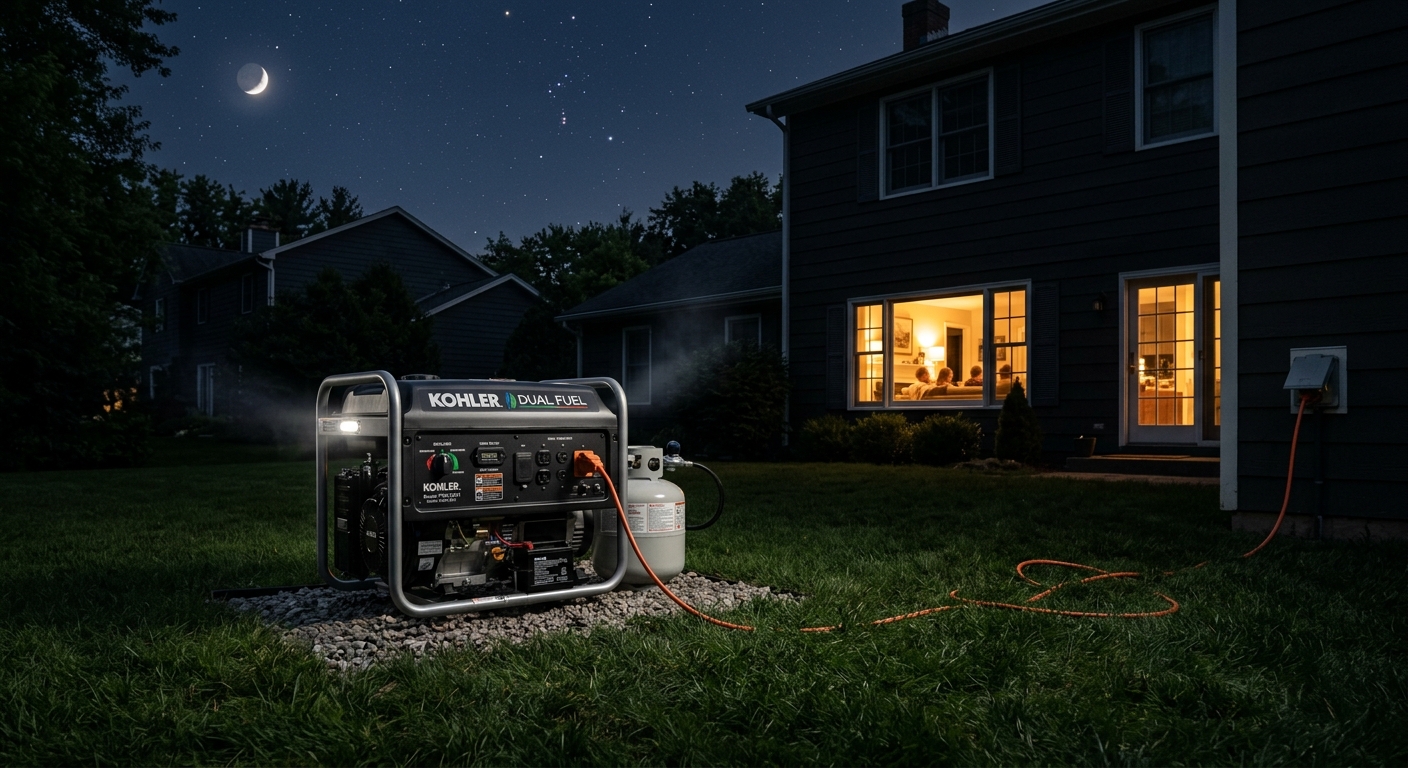
Choosing the right fuel type can enhance operational flexibility. Dual-fuel and tri-fuel generators allow for the use of multiple fuel sources, addressing availability and efficiency concerns during outages.
Understanding Generator Engines
Generators convert mechanical energy into electrical energy, primarily using fossil fuels. There are two main engine types: 2-stroke and 4-stroke, with most medium-sized generators utilizing 4-stroke engines for better efficiency and reduced emissions. Knowing these differences helps in selecting a generator model that aligns with performance and environmental standards.
Fuel Options Explained
Understanding fuel types is essential as each has unique pros and cons for specific applications. Diesel generators are efficient for long-term use but can be noisy and less effective in cold weather. Gasoline is preferred for portable generators due to its availability but has a shorter shelf life. Propane remains effective for sporadic use and doesn’t degrade, while natural gas offers continuous supply with lower emissions. Environmental regulations are important to consider as they might affect fuel choices and operational allowances.
Assessing Your Power Needs
To determine the right generator size, one must assess actual power requirements carefully to avoid both underestimations that lead to outages and overestimations that incur unnecessary costs. For residential settings, consider essential systems like heating, cooling, and water supply, while businesses should calculate realistic outage costs to justify investments. Tools like backup generator calculators can further aid in accurately sizing generators based on peak loads and essential appliances.
Key Features for Reliable Backup Power
A reliable backup generator must maintain uninterrupted power supply and adequately meet the total demand of essential systems. Factors like generator size, type, fuel versatility, and proper installation components such as transfer switches are critical for efficient performance. Additionally, considering environmental impacts and noise factors is important when selecting the appropriate system.
Installation and Setup
Installing a standby generator requires professional expertise to tailor the setup according to home needs. It involves sizing the generator correctly, integrating transfer switches for safe connections, and ensuring all components function effectively. A thorough equipment assessment and appropriate installation practices are key to a reliable backup power solution.
Operation and Maintenance
Backup generators operate by detecting outages and automatically starting to maintain power. Regular monitoring and maintenance are essential to identify potential issues before they lead to failures, as common problems include coolant system faults and battery performance degradation. Proper upkeep ensures that generators remain dependable and ready during emergencies.
Environmental Impact
Fossil fuel-powered generators significantly contribute to emissions, raising air quality concerns. There is a growing emphasis on transitioning to cleaner alternatives to mitigate environmental damage while maintaining backup power capabilities. Emerging technologies and regulatory frameworks are pushing for more sustainable solutions that balance energy reliability and environmental responsibility.
Emergency Scenarios and Their Influence on Generator Selection
Understanding specific emergency scenarios helps shape generator choice and sizing, as factors like climate and potential outage duration influence essential power needs. Preparing in advance for high-demand situations, such as hurricanes, can ensure both safety and operational continuity during power failures. Regulatory considerations around emissions further affect which generators to select for compliance and effectiveness during emergencies.
Common Challenges and Failures During Emergency Use
Generators can face technical failures or challenges that hinder their performance during emergencies. Understanding the common issues, including fuel quality degradation and environmental impacts, is crucial for ensuring reliable operation. As reliance on traditional generators might pose health risks, exploring low-emission technologies can improve public safety and environmental stewardship.
Costs and Budgeting
Costs associated with backup generators vary widely based on type and installation. Evaluating the financial impact of potential outages helps justify investments in backup systems. The comparison between initial costs and long-term savings should guide budgeting decisions, weighing the ongoing operational expenses against the necessity for reliability and efficiency.
Government Policies, Incentives, and Regulations
Government initiatives increasingly shape the backup generator market, promoting cleaner energy solutions and regulating emissions from traditional systems. It is essential to stay informed about available incentives and policies that encourage adopting more sustainable practices. Understanding these factors can aid in making decisions that align with both operational needs and regulatory compliance.
Benefits of Having a Backup Generator
Backup generators ensure operational continuity during outages, safeguarding data and maintaining essential systems. For residences, they provide comfort during extreme weather, while for businesses, they protect financial and reputational interests. Additionally, regulatory compliance often necessitates reliable backup systems, highlighting their importance across various sectors.
Common Myths and Misconceptions
It is crucial to debunk common myths surrounding backup generators, such as the misconception that failure is unexpected or that a single fuel type is always optimal. Factors influencing generator choice encompass efficiency, operational needs, and environmental considerations. Proper sizing and understanding the benefits of inverter and permanent generators are essential for informed decision-making in backup power solutions.
The content is provided by Blake Sterling, Front Signals