
Recent Trends in Gold and Silver Prices
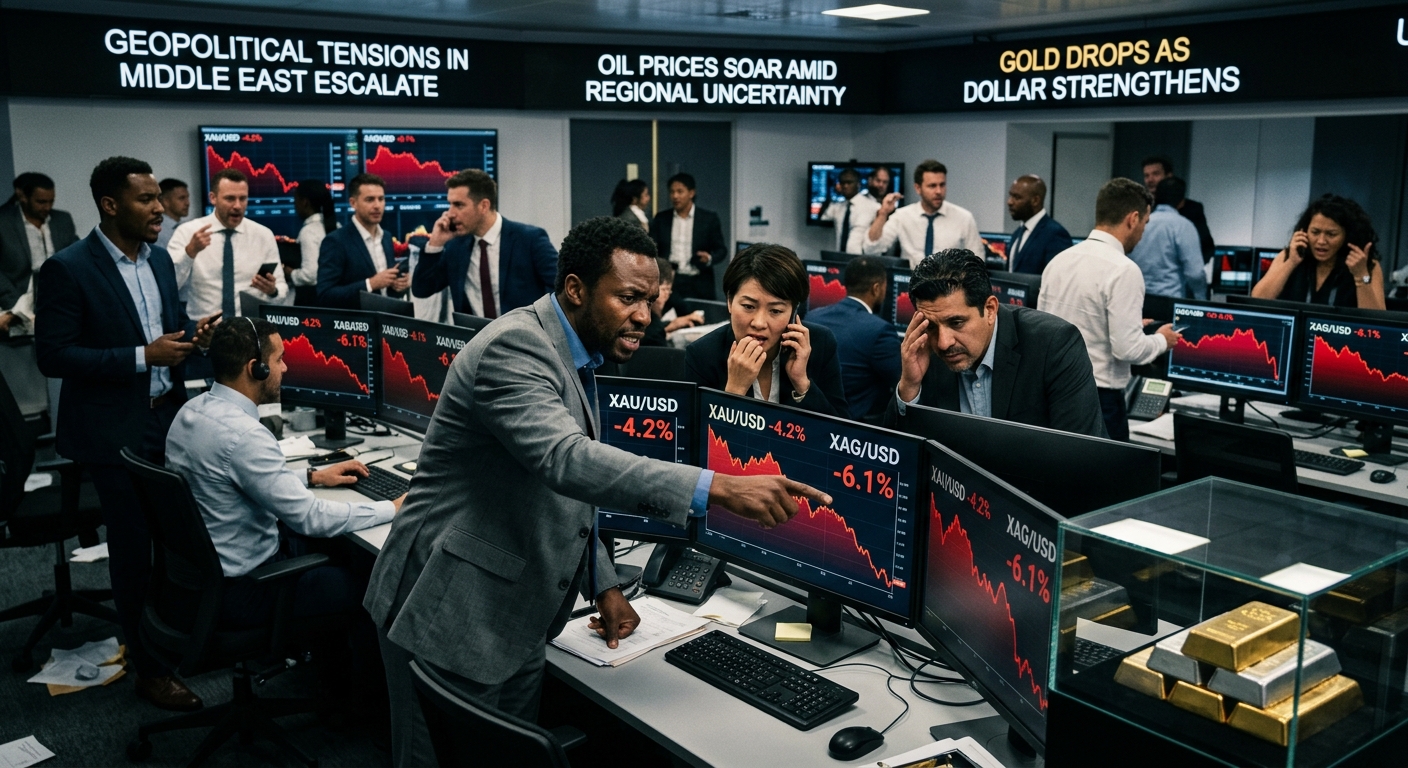
Gold and silver prices have notably dropped, despite geopolitical tensions and inflation concerns, presenting a challenge to traditional views of these metals as safe-haven assets. Since early 2026, gold prices have decreased by approximately 16%, while silver saw a decline of about 26%. This downturn is primarily attributed to rising U.S. interest rates, decreased industrial demand, and surging oil prices, particularly due to conflicts in the Middle East, which have complicated investor strategies. The dynamics at play illustrate the need to consider both monetary policy and broader economic signals when evaluating investments in precious metals.
Impact of U.S. Interest Rates
The Federal Reserve’s efforts to combat inflation through interest rate hikes have reduced the attractiveness of non-yielding assets like gold and silver. Higher interest rates incentivize investment in bonds and money market funds, diverting capital from precious metals and further pressuring their prices, especially given a strong U.S. dollar. Nevertheless, the interplay between nominal interest rates and gold prices is complex, as real interest rates—when adjusted for inflation—also significantly influence demand, demonstrating that rising nominal rates do not always equate to falling precious metal prices.
Influence of Geopolitical Dynamics
Geopolitical tensions, notably in the Middle East, have added layers of volatility to precious metals markets by affecting energy supply and raising oil prices, which indirectly influence inflation and risk sentiment. While gold and silver have generally seen increased demand during crises, current market sentiment shows reduced buying interest in major markets like China and India. Investor responses are often mixed, highlighting the complexity of balancing ongoing risks and the potential for recovery depending on geopolitical developments and central bank policies.
Supply and Demand Considerations
The movements in gold and silver prices are heavily driven by supply and demand fundamentals. In the case of silver, industrial demand—especially from technology sectors—plays a crucial role, as it accounts for nearly half of global consumption. While interest rates can influence industrial activity, the overall supply dynamics, including mining outputs and recycling rates, significantly shape market pricing, illustrating the need for investors to remain informed about these trends to understand potential price movements.
Market Volatility and Expectations
Recent months have been marked by substantial volatility in precious metals prices, driven by various market factors, including expectations of U.S. interest rate movements. Anticipation of rate hikes often leads to cautious investor behavior, particularly in an environment where economic indicators such as job growth and inflation persist. The historical relationship between interest rates and precious metals suggests that while rate hikes create some downward pressure on prices, factors like geopolitical instability and inflation concerns might simultaneously drive demand, maintaining a delicate balance in market dynamics.
Looking Ahead: Price Prospects
The future of gold and silver prices remains uncertain, hinging on the interplay of inflation trends, interest rates, and geopolitical developments. Potential shifts in Federal Reserve policy could influence price trajectories, as market expectations currently lean towards lower likelihoods of aggressive rate hikes this year. If inflation persists or economic conditions deteriorate, demand for gold and silver as hedges against currency devaluation and instability may rise, potentially leading to price recovery. Investors should stay attuned to these unfolding factors to navigate future investment strategies in the precious metals market.
The content is provided by Sierra Knightley, Front Signals