
Funding Overview
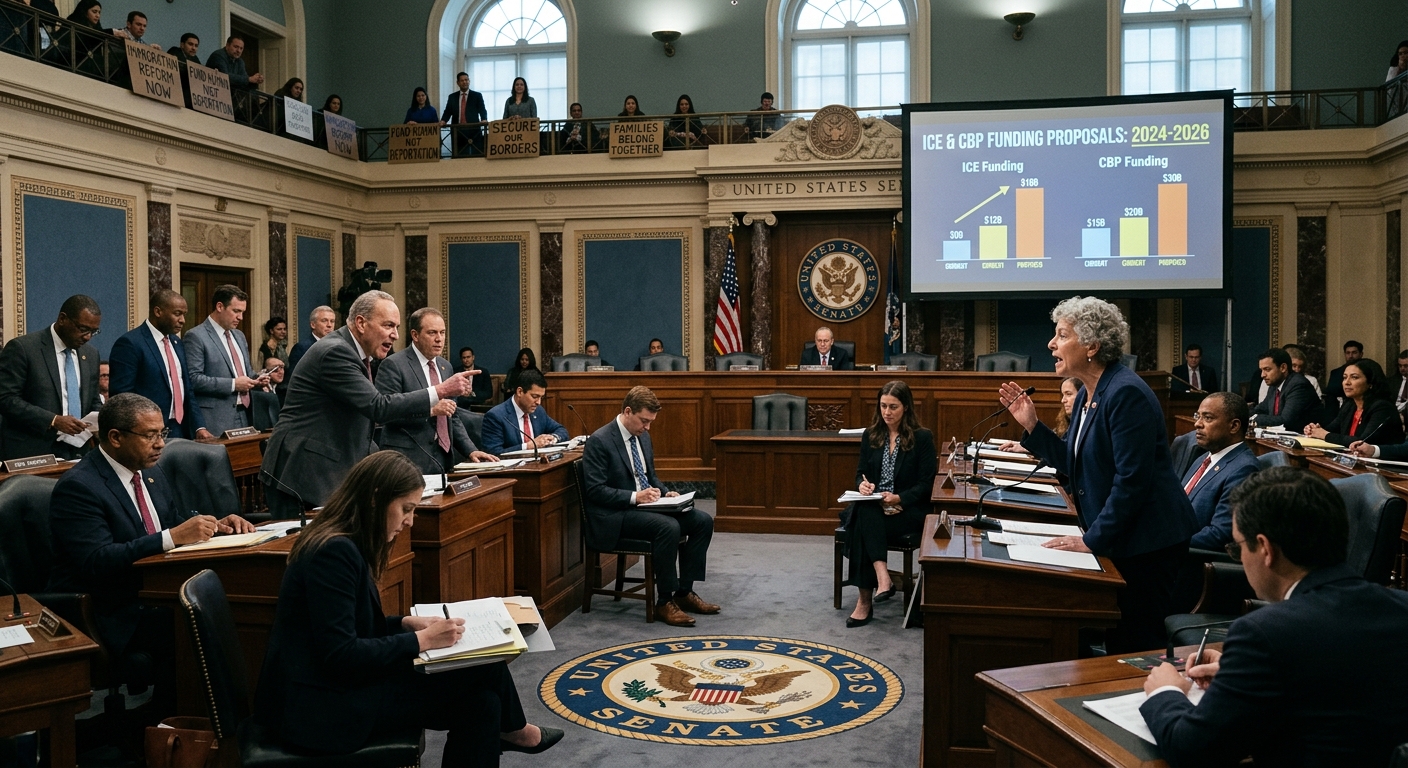
The Senate’s recent approval of a $70 billion funding increase for U.S. Immigration and Customs Enforcement (ICE) and Customs and Border Protection (CBP) signifies a major expansion effort in immigration enforcement through fiscal year 2029. This funding will enhance hiring, technology upgrades, and partnerships with local law enforcement under programs like 287(g). Despite bipartisan support, this substantial financial commitment raises concerns about accountability and transparency in how these funds will be used, especially as rapid recruitment initiatives could lead to inadequate vetting of new personnel and potential corruption.
Legislative Path
The funding process initiated with the Senate Committee on Appropriations endorsing the Homeland Security Appropriations Act, which allocated significant resources to enhance border security and enforcement operations. This bill proceeded through a narrow Senate vote and faced hurdles in the House due to Republican demands for reforms. With ongoing negotiations over how to secure funding while ensuring accountability, the eventual outcome depends on cooperative dialogue between both chambers of Congress.
Funding Details and Agency Expansion
Within the approved measure, ICE will receive about $38.2 billion, focusing on staffing and operational enhancements, including significant investments in technology and local law enforcement collaborations. Meanwhile, CBP will benefit from an increase of around $26 billion for personnel and border surveillance enhancements. This funding structure, characterized by multi-year, lump-sum allocations, could challenge congressional oversight, potentially allowing both agencies to operate without regular review or necessary adjustments to spending priorities.
Concerns and Criticisms
The increased funding has sparked debate over the implications for civil liberties and operational integrity, particularly regarding aggressive enforcement tactics and a perceived lack of necessary oversight. Critics within both political parties express concerns about practices that may overreach into the rights of individuals, stressing the need for clearer safeguards and transparency in how funds are allocated and spent. Advocacy groups continue to call for a reevaluation of immigration enforcement priorities, arguing for a shift toward community support rather than militarized policies.
Accountability Challenges
While new legislation aims to enhance oversight of the allocated funds, significant questions remain about the effectiveness of these measures. The framework within which ICE and CBP operate may lead to insufficient checks on their activities, particularly if annual appropriations lapse. Issues regarding privacy and surveillance also persist, particularly concerning the agencies’ use of technology in monitoring constitutional activities. Ongoing scrutiny from advocacy groups underscores the need for strict limitations on how these funds can be utilized to ensure compliance with civil rights protections.
Future Outlook
The financial boost for ICE and CBP foreshadows notable changes in staffing and operational capabilities, with expectations for increased border enforcement efforts and recruitment initiatives over the next several years. The flexibility of how these funds can be allocated poses risks related to oversight and impact, particularly as existing programs like 287(g) expand. The commitment to such funding emphasizes a strategic push toward tightened immigration policies, but it also raises questions about the long-term ramifications for agency operations and community relations.
The content is provided by Sierra Knightley, Front Signals