
Summary
The construction supply industry is evolving due to technological innovations, sustainability demands, and new supply chain management strategies. Traditional supply chains, which focused on cost efficiency and local sourcing, are now challenged by global disruptions. As companies face these vulnerabilities, there is a push for resilient and adaptable supply networks that utilize digital technologies and sustainable practices.
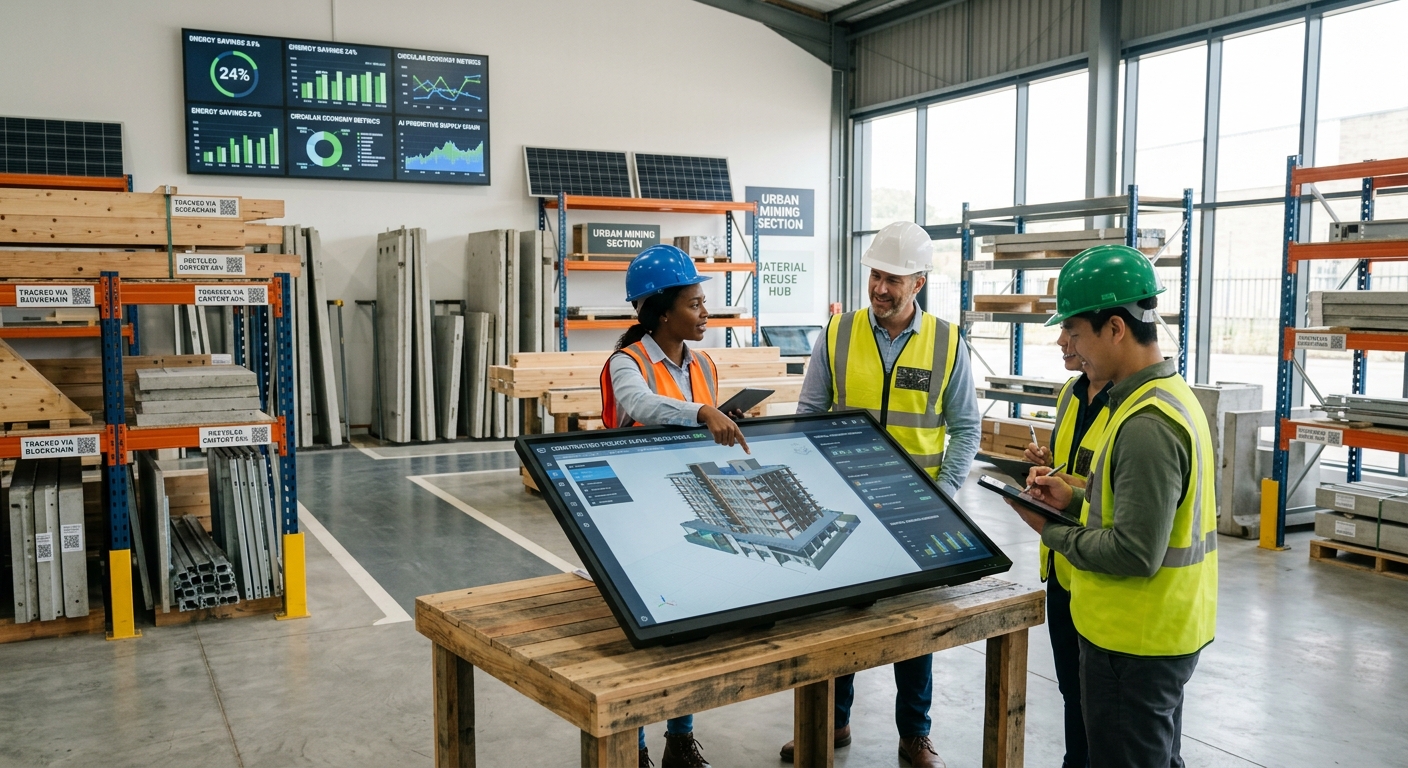
Technologies like Building Information Modeling (BIM), blockchain, artificial intelligence (AI), and automation are enhancing procurement processes, enabling better tracking and management of construction materials. These innovations not only improve operational efficiency and collaboration but also support sustainability by fostering circular economy practices that reduce waste and carbon emissions. Adopting these technologies introduces challenges, particularly for smaller enterprises, including high implementation costs and skills gaps.
The construction sector’s future depends on integrated, data-driven supply chains that balance efficiency, sustainability, and risk management. Elements such as supplier diversification and predictive analytics will be crucial for overcoming barriers and enhancing the industry’s resilience to global uncertainties.
Historical Background
The construction supply chain’s development traces back to medieval trade, progressing through significant milestones like mechanization and globalization driven by technological advancements. Initially relying on local sources, modern supply chains now encompass global networks with complex coordination aimed at cost efficiency. However, excessive focus on cost has unveiled risks, particularly during disruptions, highlighting the necessity for strategic, network-based models.
Historical shifts, such as moving from durable designs to fast, low-cost construction methods, have disrupted local supply chains and contributed to environmental impacts. This transition reflects the current need for balancing operational efficiency with sustainability and adaptability amidst ongoing global challenges.
Key Technological Innovations in Construction Supply Chains
The construction industry is seeing transformative technologies that enhance supply chain management and sustainability. Mobile technologies and automated data capture are essential in improving supply chain visibility and material tracking while attracting a skilled workforce. The integration of technologies, such as BIM, enhances project efficiency, supports sustainability, and prevents fraudulent activities through better communication among supply chain participants.
AI and machine learning are revolutionizing decision-making in construction by providing predictive analytics that optimize inventory management and demand forecasting. Digital twins and automation also play crucial roles in real-time monitoring and task execution, leading to improved safety and efficiency across operations. As these technologies reshape the industry, collaboration among all stakeholders is paramount in fostering transparency and resilience in supply chains.
Current Trends Shaping Construction Supply
The construction sector is undergoing changes driven by resilience, sustainability, and digital integration, as firms diversify suppliers and leverage collaborative digital platforms. This evolution is a response to vulnerabilities exposed by global challenges like pandemics and geopolitical tensions. Companies are moving toward adaptive ecosystems that reduce dependencies on single suppliers and boost flexibility in operations.
Advancements in digital collaboration tools facilitate real-time data sharing, enhancing overall efficiency in supply chains. As sustainability becomes central to construction practices, the use of eco-friendly materials and circular economy initiatives plays a crucial role in minimizing environmental impacts while ensuring compliance with emerging regulations.
Challenges and Inefficiencies in Traditional Supply Chains
Traditional construction supply chains have become vulnerable due to ongoing global disruptions, with reliance on single suppliers and just-in-time delivery models leading to significant risks. Factors such as raw material pricing volatility and geopolitical uncertainties create challenges around material availability, complicating project timelines and budgets. Limited visibility and fragmented supplier networks further exacerbate inefficiencies, increasing waste and operational complexity.
Addressing these inefficiencies necessitates a move toward strategic, resilient supply chain models that prioritize long-term stability rather than short-term cost savings, preparing the industry for an increasingly unpredictable landscape.
Resilience Strategies and Risk Mitigation
To adapt to a complex environment marked by disruptions, construction firms are prioritizing resilience and risk management strategies. Diversifying suppliers and fostering collaborative partnerships enhance transparency and mitigate risks associated with reliance on single vendors. Implementing advanced tools such as predictive analytics, companies can improve inventory management and enhance decision-making capabilities related to risks in material pricing and availability.
Efforts to streamline supply chains and adopt local sourcing strategies contribute to reducing environmental impacts while increasing efficiency. Aligning technological, financial, and regulatory measures is vital for constructing robust systems capable of withstanding ongoing uncertainties in the construction landscape.
Sustainability Initiatives and Environmental Impact Reduction
Addressing environmental concerns in construction, sustainability initiatives focus on reducing carbon footprints through material efficiency and eco-friendly material adoption. Circular economy strategies, like local material reuse, decrease reliance on global supply chains and encourage self-sufficiency. Regulations and standards supporting the use of sustainable materials are advancing the industry’s commitment to environmental responsibility, further reducing its ecological impact.
By integrating technologies that promote resource efficiency and sustainability, construction firms can align with evolving regulatory frameworks while simultaneously addressing global climate challenges and enhancing economic viability.
Impact of Digital Technologies on Sustainability
Digital technologies such as BIM, blockchain, and AI are redefining sustainability practices in construction. These innovations are critical for optimizing supply chain management and resource efficiency while promoting circular economy principles. Enhanced data integration through these technologies facilitates better logistics and fosters collaboration among stakeholders, leading to improved sustainability outcomes.
Impact on the Construction Industry
The construction sector is adapting to new supply chain demands focusing on sustainability, efficiency, and technological integration. This shift transforms traditional practices, emphasizing advanced methods that align with sustainability goals while reducing resource consumption. By centralizing data and improving communication across the supply chain, construction firms can enhance project outcomes, forecast demand accurately, and adhere to emerging environmental regulations.
As the industry moves towards sustainability and efficiency, firms with strong commitments to environmentally responsible practices are likely to attract partnerships and investments, signaling a paradigm push where sustainability becomes an essential aspect of future construction endeavors.
Challenges and Limitations in Technology Adoption
Challenges in technology adoption present barriers to digital transformation in construction. High costs associated with advanced solutions can deter small and medium-sized enterprises, while a lack of specialized skills further impedes effective tech implementation. Additionally, supply chain vulnerabilities to external disruptions complicate the integration of new tools, necessitating robust strategies to overcome these limitations.
To realize the full potential of technology, construction firms must pursue multifaceted approaches that combine various decision-support methods and invest in building resilient, adaptable business models capable of thriving amid ongoing global challenges.
Future Outlook
The future of the construction industry hinges on adaptability in facing challenges like material pricing volatility and supply chain delays. Firms that strategically diversify suppliers and embrace advanced technologies are positioned for success. With IoT, digital twins, automation, and AI leading the charge, companies can enhance operational efficiency and sustainability across their processes.
Incorporating sustainability-driven frameworks and responding to regulatory demands will shape the industry’s trajectory, as these strategies reduce global supply chain dependencies and foster employment opportunities. As empirical research continues to validate the effectiveness of these approaches, coordinated efforts toward decarbonization will be critical in ensuring a resilient and sustainable construction industry moving forward.
The content is provided by Harper Eastwood, Front Signals