
Summary
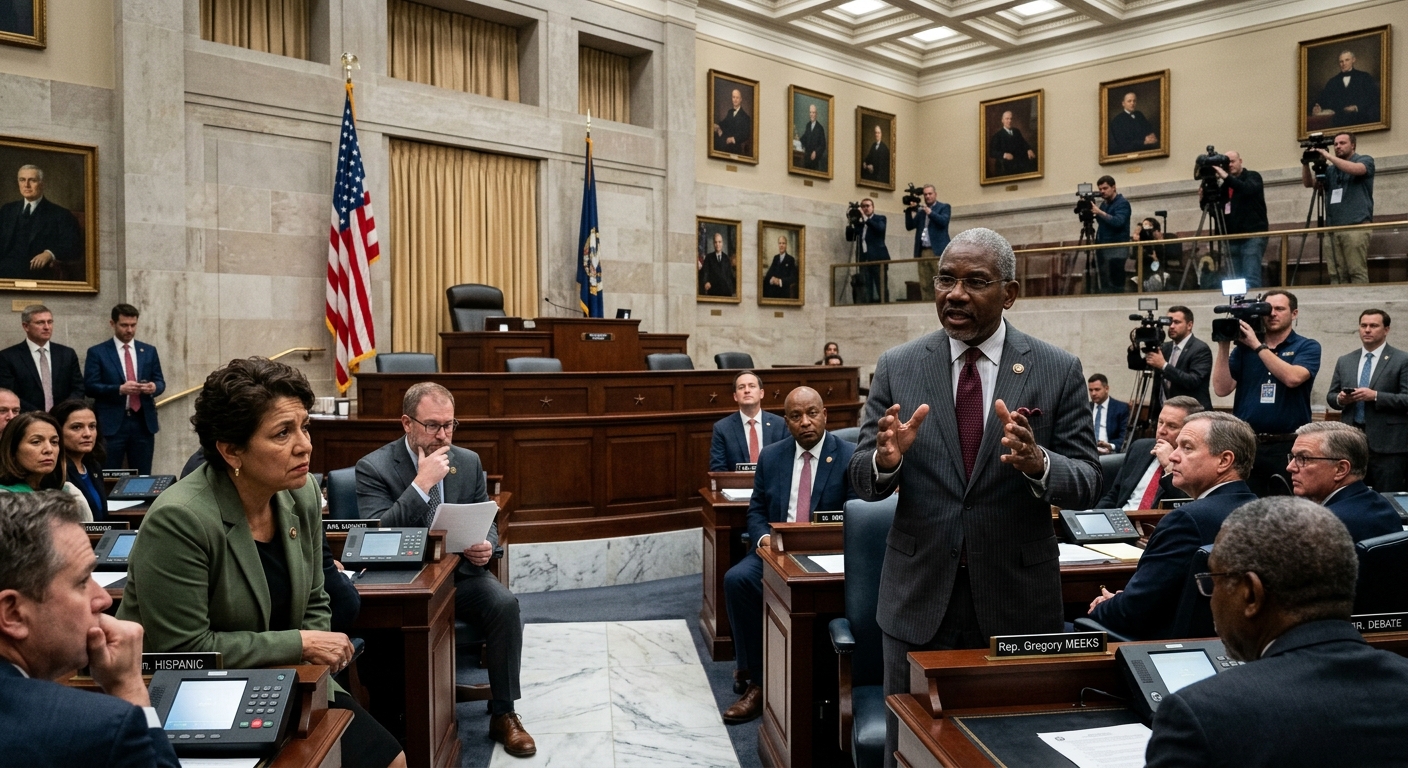
The House of Representatives passed a war powers resolution in 2026 aimed at ceasing U.S. military actions in Iran, underscoring Congress’s role in military decision-making. The resolution requires the President to end military operations unless Congress gives explicit authorization, highlighting rising tensions and past conflicts since the U.S. left the 2015 nuclear deal under Trump. The bipartisan support for this measure reflects widespread unease about ongoing military involvement and aims to restore the constitutional balance of war powers.
Background
The U.S.-Iran relationship deteriorated during Trump’s presidency, particularly after withdrawing from the 2015 Joint Comprehensive Plan of Action (JCPOA) and implementing extensive sanctions. Incidents like attacks on oil tankers and downed drones escalated tensions further, culminating in military strikes. Congressional efforts to influence U.S. policy included authorizations for sanctions, but no formal military action against Iran was ever approved, leading to legislative attempts to reassert authority amid a fragile ceasefire established in 2026.
The Groundbreaking Measure
The resolution passed by the House is significant as it invokes the War Powers Resolution of 1973, which limits presidential military actions without congressional consent. Pivotal for its legal implications, the measure mandates U.S. military withdrawal from Iran unless authorized by Congress. The complexity of its enforcement remains uncertain, requiring Senate approval and the President’s signature for it to become law, amidst emerging divisions within the Republican Party regarding military engagement.
Reactions and Impact
The House’s resolution generated varied responses from lawmakers and analysts. Supporters believe it is vital to prevent unchecked military actions, while critics argue it could weaken the U.S.’s negotiating stance with Iran. Their discussions highlight the ongoing struggle over legislative vs. executive authority in matters of war, reflecting broader public skepticism about the U.S.’s military presence in Iran.
Legal and Political Analysis
These congressional measures challenge Trump’s military strategy but may not effectively compel compliance due to legal hurdles. While resolutions can be symbolic, their binding impact requires following traditional legislative processes. The War Powers Resolution emphasizes Congress’s role in military engagements; however, ongoing political dynamics complicate legislative responses, with some lawmakers concerned about the effects on U.S. diplomatic leverage in the region.
Related Events and Developments
The resolution’s passage comes against a backdrop of rising tensions and congressional actions towards Iran since the JCPOA’s implementation. Incidents further straining U.S.-Iran relations included missile strikes and sanctions, with bipartisan congressional support growing for measures limiting presidential military authority. Despite the House vote being a notable gesture, its future effectiveness hinges on Senate actions and ongoing legal challenges regarding the balance of war powers.
The content is provided by Jordan Fields, Front Signals