
Summary of the $100,000 H-1B Visa Fee Change
The Trump administration’s implementation of a $100,000 fee for H-1B visa petitions represents a controversial shift in U.S. immigration policy aimed at protecting domestic workers. This fee applies to all employers, including those previously exempt, driving opposition from various sectors like technology and healthcare, who argue it limits access to skilled foreign talent. While some argue this may benefit American workers by increasing job opportunities, others fear it could lead to greater offshoring and hinder innovation due to a lack of specialized labor.
Impact on H-1B Visa Accessibility
The introduction of the hefty fee has raised concerns about the viability of the H-1B visa for early-career foreign workers and those in lower-paying jobs. This change may particularly affect international students hoping to move from Optional Practical Training (OPT) to H-1B status, as the fee could discourage employers from sponsoring candidates outside of high-skill roles. As a result, companies might seek alternative visa options, complicating the hiring process for foreign talent and altering the landscape of the U.S. job market.
Legal Challenges and Outcomes
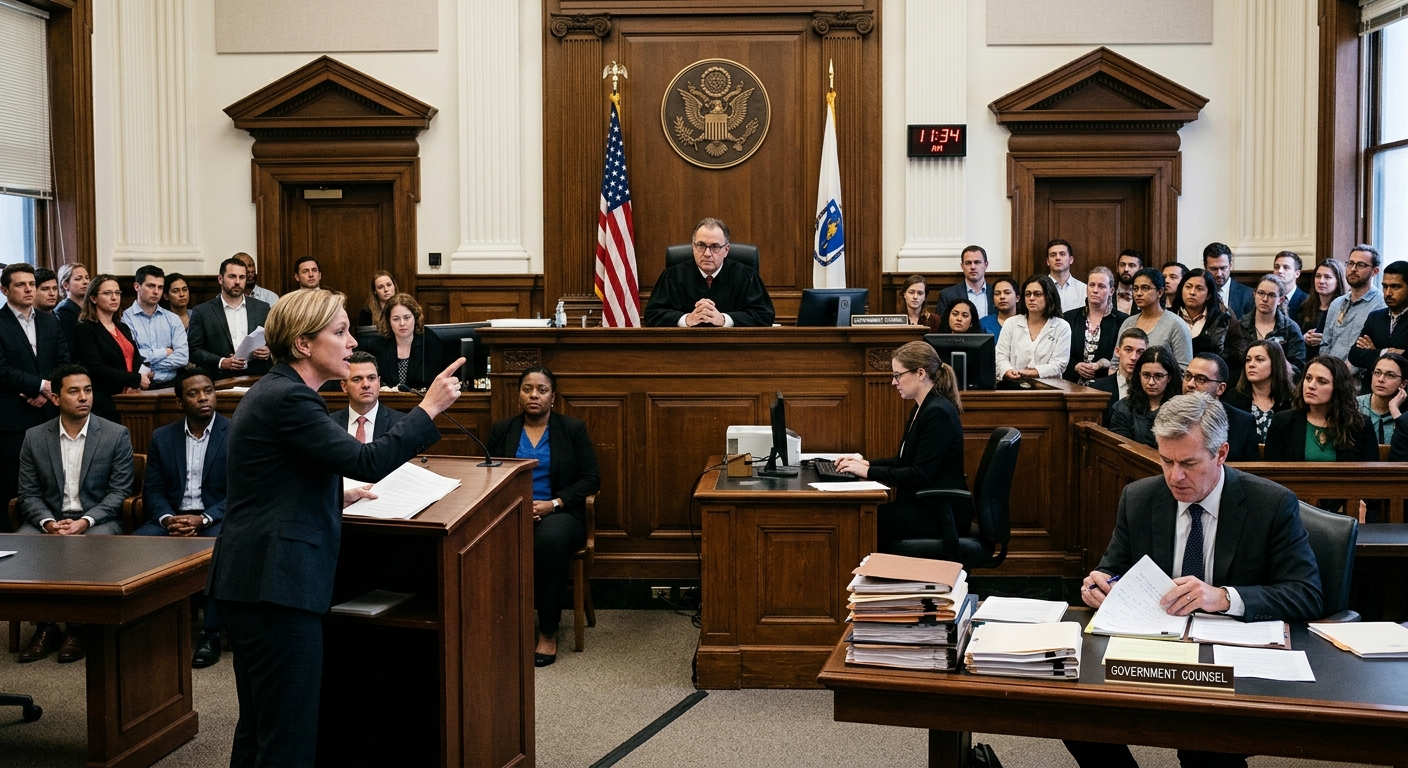
The legality of the $100,000 fee has been contested by twenty Democratic-controlled states and industry associations, which argue it exceeds presidential authority and constitutes an unauthorized tax. In February 2026, Judge Leo Sorokin ruled against the fee, supporting the argument that it was not a regulatory payment but a tax requiring congressional approval. This ruling not only invalidates the fee but raises critical questions about the balance of power in immigration policy.
Policy Context and Employer Responses
The fee aligns with a broader Trump administration initiative to prioritize American workers by penalizing employers who rely on lower-paid foreign labor. While advocating for higher wages for H-1B holders, this policy has prompted significant backlash from industries reliant on skilled foreign labor, especially in technology and healthcare. Companies have begun reconsidering their employment strategies due to the new regulations, which may inadvertently stifle growth and innovation in key sectors.
Future Implications and Economic Considerations
The ongoing implications of the fee are substantial, particularly for STEM professionals and sectors already facing workforce shortages. While the fee may initially seem to favor domestic hiring, it risks driving companies to hire overseas to mitigate costs, thereby exacerbating challenges in U.S. labor markets. As the legal landscape surrounding this policy evolves, the accessibility and functionality of the H-1B visa program remain uncertain, with potential long-term effects on the competitiveness and innovation capacity of the U.S. economy.
The content is provided by Sierra Knightley, Front Signals