
Response to LPG Shortage
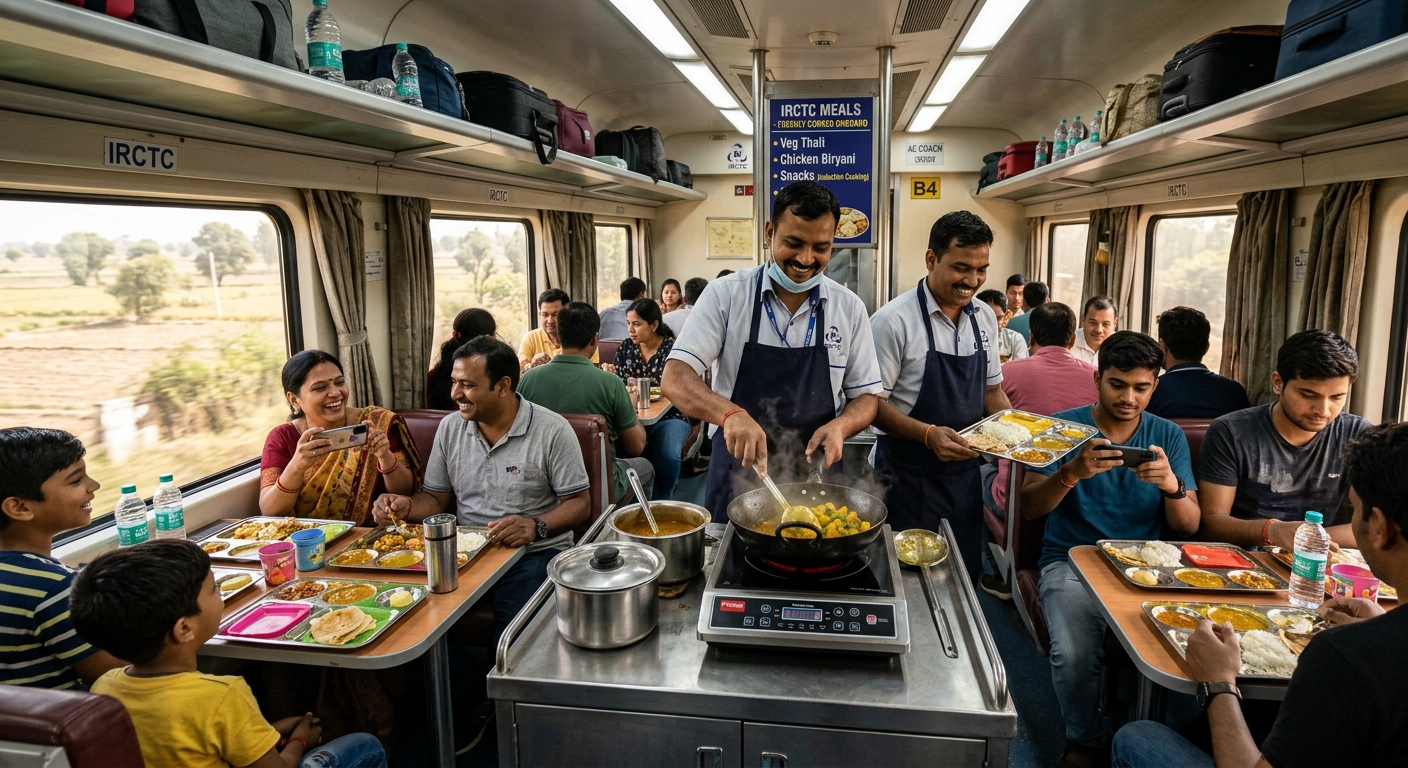
Indian Railways is adapting to a significant commercial LPG shortage caused by geopolitical tensions disrupting energy supplies. This has led IRCTC to shift from LPG-based cooking to electric methods using induction stoves. With approximately 60% of food preparation now using electric cooking, this change aims to maintain meal services despite limited LPG availability.
IRCTC has collaborated with major oil companies to secure prioritized LPG deliveries for critical railway kitchens, helping mitigate some service disruptions. The urgency of this transition is underscored by the fact that if supply issues persist, long-distance train passengers may face the suspension of freshly cooked meal services.
Challenges of Transitioning to Electric Cooking
The shift to electric cooking brings various operational challenges. Induction stoves typically require longer cooking times compared to gas stoves, which could delay meal preparation limits. The transition has financial implications for IRCTC, with increased costs for electric cooking equipment and ongoing operational adaptations impacting profit margins.
While the current contingency plan has been implemented, remaining LPG stocks at certain stations are rapidly depleting, necessitating immediate sourcing of additional electric cooking equipment. Locations like Pandit Deen Dayal Upadhyay Junction are transitioning to electric cooking, though some stations still rely on LPG until equipment arrives.
Impact on Passenger Services
The LPG shortage is creating notable challenges for IRCTC’s catering services, directly affecting meal availability for long-distance train passengers. Nearly 17 lakh meals are served daily, with around 20% of these in the western Railway zone, which is experiencing significant disruptions. If the supply crisis continues, IRCTC may have to suspend onboard cooked meal services, which would impact passenger satisfaction.
Despite the ongoing challenges, IRCTC has committed to maintaining catering operations as much as possible, with options for passengers to purchase meals onboard. However, service availability may vary based on resource constraints, and rising input costs are impacting financial performance in the catering segment.
Public and Passenger Sentiment
Public concern regarding the LPG shortage has been widespread, with many expressing frustration at inconsistent food service and rising prices. Industries dependent on LPG, including local restaurants, are also feeling the impact, with many implementing limited menus due to supply restrictions. This environment has led to mixed feelings among passengers, who understand the broader context while still being inconvenienced by service disruptions.
As IRCTC resumes onboard cooking using induction stoves, there is hope for improvement in meal services. However, the financial and operational implications of this shift highlight the existing challenges faced by Indian Railways in maintaining standards of passenger experience during this unpredictable period.
Strategic Future Plans
Moving forward, IRCTC intends to solidify the transition to alternative cooking methods as a permanent measure. This includes ongoing training for catering staff and adjustments to equipment lifecycles to enhance operational efficiency. The goal is to not only address the current crisis but also build resilience against future supply disruptions in energy resources.
This proactive stance emphasizes a long-term strategy focused on energy diversification and sustainability, reducing dependency on fossil fuels while ensuring that passenger catering services can withstand fluctuations in resource availability.
The content is provided by Blake Sterling, Front Signals