
Overview of the Turnaround Strategy
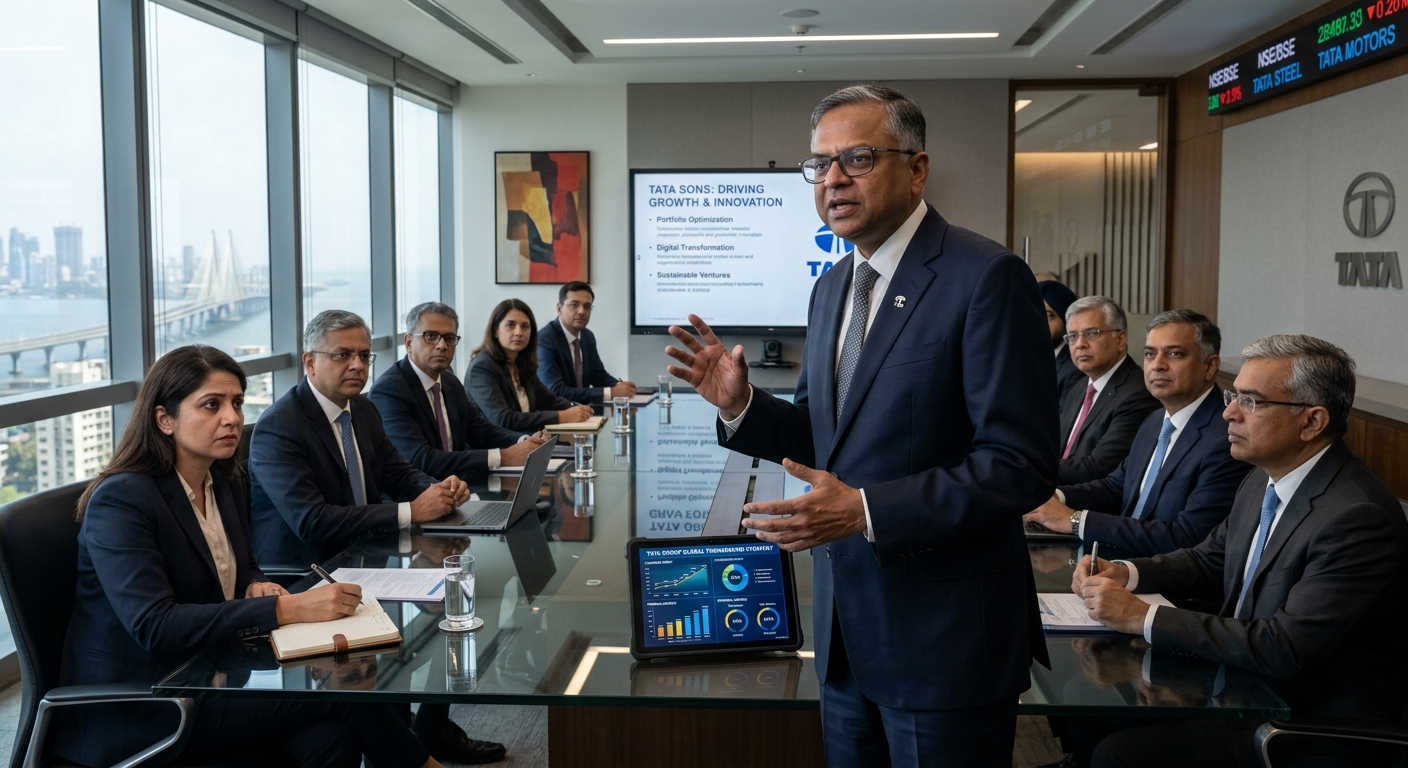
Natarajan Chandrasekaran, chairman of Tata Sons, has unveiled a three-year turnaround strategy to address significant losses in newer ventures like Air India and Tata Digital. These ventures reported losses of over ₹3,750 crore in the first nine months of FY26, leading to concerns about capital allocation and rising debt. Scheduled for presentation to the board in May 2026, the strategy aims to optimize investment pacing, enhance operational efficiency, and set profitability timelines across various sectors, aligning with the “One Tata” vision of integrated expansion.
Investment Reevaluation
The strategy emphasizes critical reassessment of investment pacing amid dwindling dividend flows from Tata Consultancy Services. Board members have voiced concerns about sustaining high-risk investments as losses in Air India and Tata Digital have greatly exceeded projections. Chandrasekaran’s plan details updated capital expenditure commitments approaching $90 billion over the next five years, ensuring alignment with realistic profitability expectations while navigating financial risks.
Operational Efficiency Enhancements
For Air India, efforts will focus on modernizing the fleet, improving customer service, integrating advanced technology, and enhancing operational punctuality. Despite ongoing challenges, these initiatives aim to restore brand equity and competitiveness. Similarly, Tata Digital will sharpen its go-to-market strategies to reach profitability more quickly, drawing on the leadership of CEO Pratik Pal and Mukesh Bansal.
Strategic Expansion in Technology
Chandrasekaran’s strategy includes significant investments in semiconductor fabrication, with ventures like Tata Electronics developing a large manufacturing facility in Gujarat. While these long-term investments result in rising debt, they are seen as pivotal for future profitability. The strategy aims to balance these initiatives with the need for financial stability and a clear path to minimizing losses.
Leadership and Cultural Shift
Since 2017, Chandrasekaran has fostered a performance-driven culture in Tata Group, emphasizing collaboration and resilience. This cultural transformation is critical as the group navigates operational challenges, particularly in its loss-making ventures. With growing demands for accountability from the Tata Trusts, ensuring effective governance and capital discipline remains essential for sustainable growth.
Impact and Industry Reception
The unveiling of the turnaround strategy has drawn attention from stakeholders and the broader business community. There is recognition of the potential transformation as values pivot towards future-oriented industries despite the immediate financial pressures. Ongoing scrutiny from the board emphasizes the need for clear strategic paths and accountability in capital allocation, key elements for restoring operational efficiency and profitability.
Future Direction and Challenges
Tata Group is set to navigate current financial challenges with the belief that its newer ventures will emerge as long-term value drivers. Despite substantial losses, there is optimism around the growth potential of these initiatives if they receive sustained investment. The board must carefully evaluate capital deployment strategies to balance ambitious growth with overall financial health moving forward, ensuring that expected improvements in performance align with strategic investments in upcoming sectors.