
Summary
Russia’s admission of decreased oil production amid the Ukraine conflict marks a shift in its ongoing struggle. As Ukrainian forces, using advanced long-range drones, have targeted Russian oil infrastructure, Deputy Prime Minister Alexander Novak confirmed that both oil output and refinery operations have diminished in 2026. The adjustments in export strategies and declining refining capacities have intensified due to military pressures and sanctions, complicating Russia’s fiscal landscape and forcing it to redirect shipments from Europe to Asian markets while navigating declining revenues.
Decrease in Oil Production
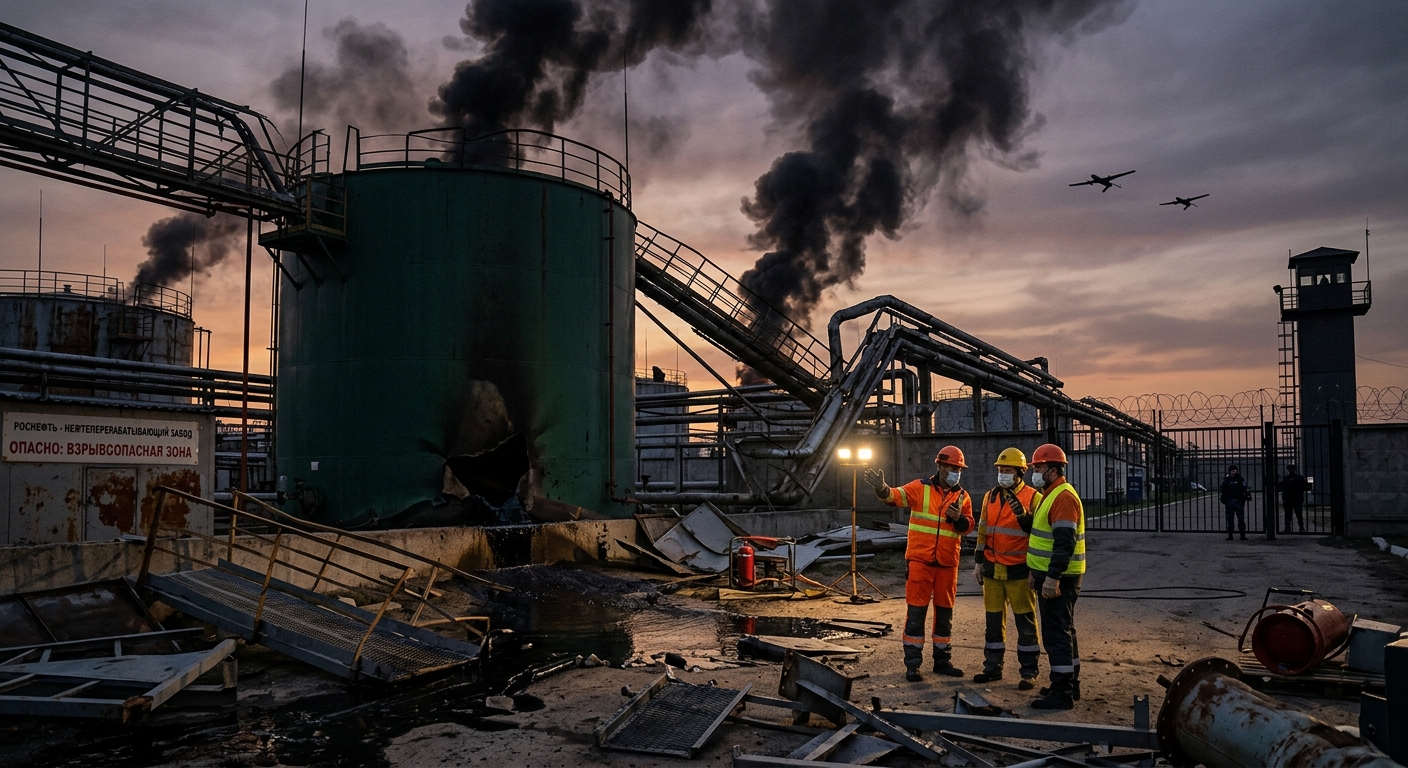
In 2026, Russia officially recognized a drop in oil production, a first from its leadership, primarily due to unscheduled maintenance at refinery facilities exacerbated by Ukrainian attacks. This reduction has necessitated a recalibration of oil exports, with output dropping significantly as approximately 40% of export capacity has been impacted. The need for alternate export strategies, particularly towards Asia, reflects challenges posed by sanctions and operational inefficiencies, which have complicated service and maintenance efforts within the sector.
Impact on Oil Infrastructure and Operations
The ongoing conflict has critically damaged Russia’s oil infrastructure, with Ukrainian strikes leading to significant losses in refining and export capabilities. Damage to key facilities means that while crude exports may appear stable, product availability has dropped, impacting the overall economy that heavily relies on oil revenues. The long-term viability of Russia’s oil sector is further jeopardized by state policies, insufficient investments, and labor shortages that hinder growth, all while grappling with rising global oil prices and operational hurdles.
Economic Impact
From 2022 to 2024, Russia’s oil production remained relatively stable, adhering to OPEC+ quotas but still facing significant pressures from Ukraine’s military actions and sanctions. Despite maintaining production levels, export revenues have dwindled, especially to Western markets, forcing a pivot toward less traditional buyers. The increasing financial strain on the Russian government, affected by declining oil revenues and heightened military expenses, complicates fiscal management and future investments in the oil sector amid shifting global demand and economic conditions.
International Sanctions
International sanctions targeting Russia’s energy sector have intensified since the Ukraine conflict began, aiming to disrupt revenue streams that fund military activities. The G7’s price cap on Russian oil exports intends to decrease financial flow while averting global supply crises but has been partially undermined by the use of unregulated tankers. Enforcement challenges persist as sanctions are not consistently effective due to various evasion methods, necessitating coordinated international responses to maintain pressure on Russia and limit its economic resilience.
Geopolitical Implications
The Ukraine conflict and its impact on Russian oil production have reshaped geopolitical dynamics and energy markets. While Western sanctions seek to diminish Russia’s ability to finance military operations, other nations have increased their oil imports from Russia, countering some losses. This shifting landscape underlines the complexities in aligning global support for Ukraine with individual countries’ energy needs, alongside the broader transition towards renewable energy sources spurred by the conflict.
Media Coverage and Public Response
Extensive media coverage of Russia’s diminished oil production reflects the conflict’s intricate landscape, balancing military developments with economic repercussions. While the EU has taken measures against Russian media, the focus remains on Ukraine’s military strategies that disrupt Russian oil supplies, a critical revenue source. In Russia, internal discourse is limited due to state media control, even as analysts highlight ongoing economic difficulties beyond production figures, suggesting long-term implications for the Kremlin’s fiscal health amidst broader geopolitical responses.
The content is provided by Harper Eastwood, Front Signals