Your Guide to Selecting the Right Backup Generator
Choosing a backup generator is essential for ensuring power continuity during outages. The guide outlines various types—portable, standby, and inverter generators—along with their unique features, helping you decide based on power needs, budget, and specific applications. Understanding these options is crucial for making an informed choice that aligns with your situation.
Types of Backup Generators
Backup generators can be categorized into standby, portable, and inverter types, each designed for different uses and power demands. Standby generators automatically provide power to homes during outages, making them suitable for uninterrupted service. Portable generators offer mobility and are often used for temporary needs, while inverter generators provide clean power ideal for sensitive electronics.
Portable Generators
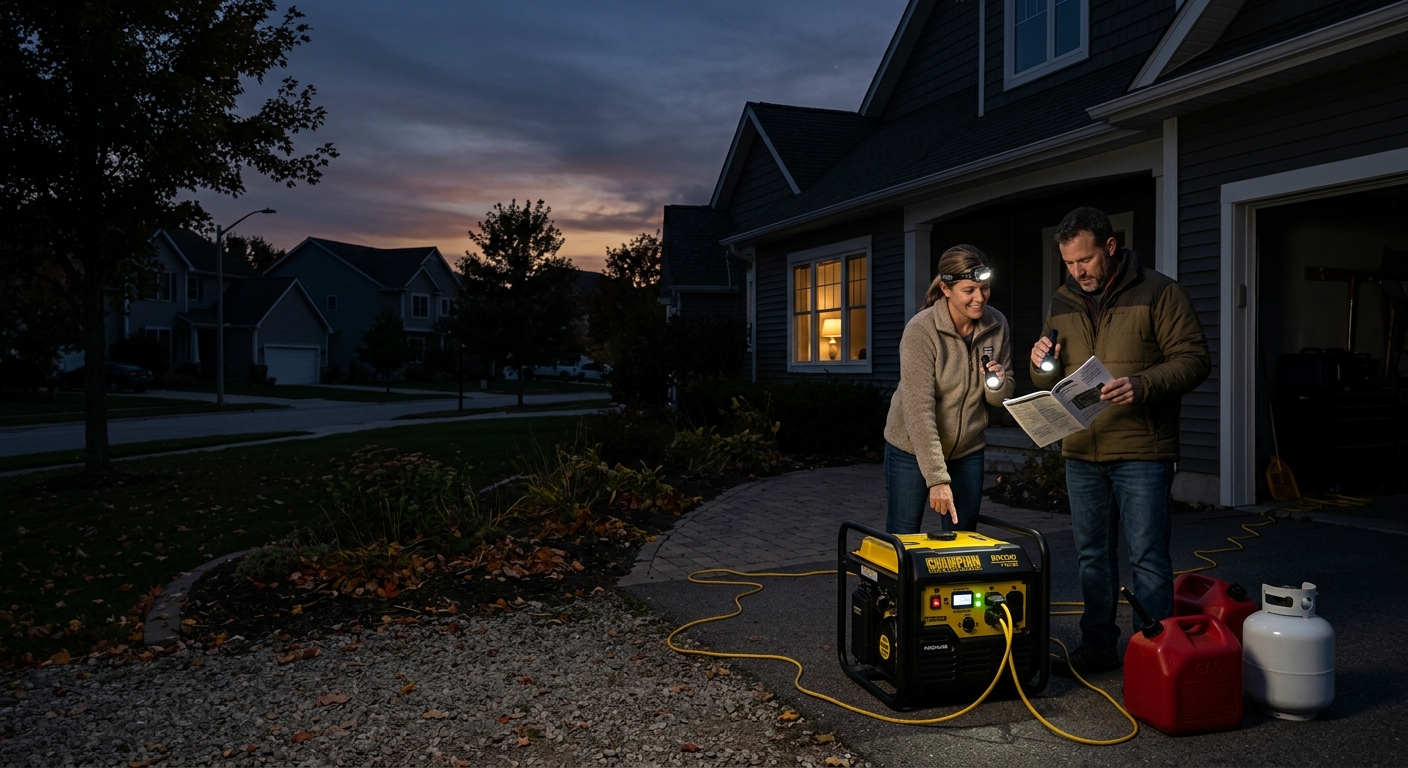
Portable generators are versatile and suitable for various short-term applications, from construction sites to camping. They are generally less expensive, but require manual operation and can be noisy. While not as powerful as standby units, they provide essential power where stability is lacking.
Standby Generators
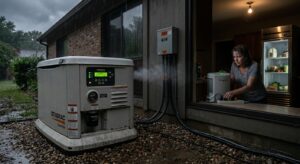
Standby generators are permanently installed, offering immediate power when outages occur. These systems connect directly to your electrical system, allowing seamless transitions and maintaining power for critical appliances. Their automatic operation makes them ideal for homes or businesses that require consistent electricity.
Inverter Generators
Inverter generators produce stable electricity and are known for their efficiency and quiet operation. They adjust power output based on demand, making them suitable for low-energy applications like electronics. Their compact designs also make them favorable for recreational use.
Single-Phase vs. Three-Phase Generators
Generators vary by electrical phase output. Single-phase generators are common for residential use, while three-phase models deliver balanced power for high-demand commercial applications. Selecting between the two depends on your power requirements—especially for larger operations or specialized needs.
Fuel Flexibility
Many generators offer dual-fuel functionality, allowing users to switch between fuels like gasoline and propane, which enhances operational flexibility during shortages. Assessing your fuel preferences and energy needs is vital for ensuring reliable performance, especially in emergencies.
Fuel Types and Characteristics
Generators primarily use gasoline, diesel, natural gas, or propane. Each fuel type has distinct characteristics that affect your generator selection. It’s important to consider factors like availability, storage stability, and emissions when choosing a fuel, as these will impact your generator’s long-term viability and operational costs.
Gasoline
Gasoline-powered generators are accessible and easy to obtain, but face challenges such as quick degradation and the need for frequent refueling. Understanding these limitations is critical for maintaining your generator’s performance, particularly for sporadic users.
Diesel
Diesel generators are efficient and have a longer shelf life, making them suitable for heavy-duty applications. However, they require more maintenance and emit higher pollutants than alternative fuels, which may be a concern in urban areas.
Propane
Propane offers excellent stability for long-term storage and is a cleaner-burning option. Consider it if you seek less frequent refueling and improved safety features during storage. Tri-fuel models provide added adaptability by harnessing different fuel types as needed.
Natural Gas
Natural gas generators are gaining traction due to their continuous supply and lower emissions. However, they may have safety risks related to fuel lines in specific locations. Evaluating these aspects can help determine their suitability for your power backup needs.
Key Factors in Selecting a Backup Generator
To select the ideal generator, evaluate your power requirements and lifestyle. Performing an electrical load calculation ensures you choose a model that can handle both running and starting loads, avoiding overloads. Additionally, consider fuel type and generator portability, as these factors directly influence your operational efficiency and convenience.
Integration with Other Power Systems
Coordinating backup generators with Uninterruptible Power Supplies (UPS) is crucial for protecting sensitive equipment during outages. Proper integration enhances reliability and prevents interruptions, ensuring critical devices operate smoothly. Understanding your existing systems will facilitate seamless power transitions when outages occur.
Impact of Power Outages on Generator Selection
The duration and type of power outages affect generator selection. Blackouts require robust units for extended use, while brief outages may only necessitate portable models. Evaluating typical power needs and load requirements during outages is essential for selecting effective and efficient solutions.
Fuel Storage and Outage Duration Considerations
Understanding how much fuel to store and the generator’s run time is critical for managing extended outages. Larger fuel tanks and eco-mode features help optimize consumption and minimize refueling intervals. Consideration of fuel quality and safe storage practices improves overall reliability during emergencies.
Installation and Maintenance
Installation must prioritize safety, especially concerning compatibility with transfer switches and local regulations. Regular maintenance is essential for keeping generators operational during outages. Proper upkeep extends the life of your generator and ensures performance when needed most.
Environmental Considerations
The environmental impact of backup generators is influenced by fuel type. Diesel models often produce more pollutants, while natural gas options are cleaner. Familiarizing yourself with emission regulations and environmental implications is essential for making informed decisions about your power sources.
Cost Considerations
Lastly, budget plays a significant role in generator selection. Initial costs vary widely based on capacity, fuel type, and installation complexity. Additionally, ongoing fuel consumption represents a recurring expense, making it vital to project typical usage to stay within budget while meeting power needs.
Common Issues and Troubleshooting
To maintain reliability, be aware of common issues such as load management and maintenance. Proper load distribution is key to preventing overloads, while effective fuel management ensures consistent operation. Understanding safety risks, including carbon monoxide emissions, is vital for safe generator use.
Maintenance and Regular Testing
Ongoing maintenance—like monthly load testing and checking essential components—is crucial. Regular testing reduces unexpected failures and validates that your generator is ready for emergencies. Accessibility to service support is important for continued reliability.
The content is provided by Sierra Knightley, Front Signals