
Summary of the Roundtable Situation
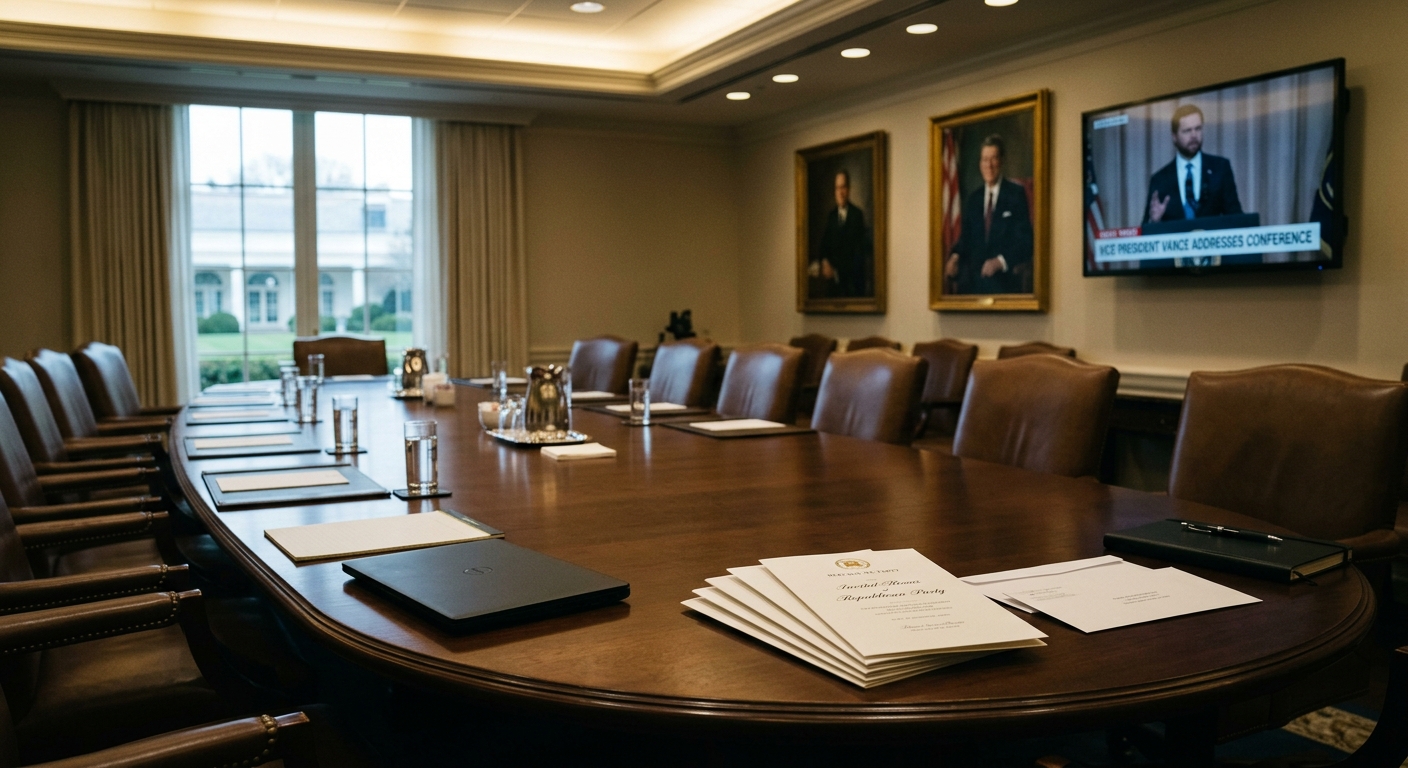
The decision by Democratic Attorneys General to decline Vice President JD Vance’s anti-fraud roundtable at the White House in March 2026 illustrates significant political tension around the Trump administration’s efforts to tackle social program fraud. This roundtable was part of a broader initiative led by Vance to combat alleged Medicaid fraud across states—a move that aimed to demonstrate federal commitment but faced backlash due to the selective invitation process, wherein Democrats received their invites with just one business day’s notice. This timing was critiqued for limiting meaningful participation and undermining the spirit of collaboration that is typically expected in federal-state cooperation.
Task Force and Political Reactions
Vice President Vance’s establishment of the Task Force to Eliminate Fraud aimed to address significant allegations against social programs, such as Medicaid fraud in states like Minnesota. While the task force seeks to rally federal and state partnerships to enhance fraud detection, it has sparked accusations of political bias, particularly from Democrats who argue that the efforts disproportionately target blue states. As the roundtable unfolded, political calculations became apparent, with the timing of invitations serving as a point of contention reflecting broader partisan divides.
Invitation Discrepancies and Responses
The invitation process for the anti-fraud roundtable raised significant concerns, particularly regarding the timing and transparency of invitations extended to Democratic and Republican attorneys general. While Republicans received a week’s notice, Democrats had only one business day to prepare for the event. This disparity led to frustration among Democrats who felt the conditions undermined effective collaboration. Despite some Democrats sending staffers in their place, 24 state attorneys general collectively expressed their intent to decline participation, citing the need for more substantive engagement.
Implications and Broader Conversations
The Democratic Attorneys General’s refusal to attend highlights ongoing challenges related to nonpartisan cooperation in fraud enforcement, especially amid heightened political polarization. Their decision reflected broader concerns about transparency in federal initiatives and the potential influence of political strategy within law enforcement. The controversy has reignited discussions about the administration’s approach to coordinating efforts with state officials while maintaining impartiality in enforcement actions.
Institutional Safeguards in Communication
Communications between the White House and the Department of Justice (DOJ) are governed by established guidelines aimed at preserving the impartiality of law enforcement. These protocols necessitate that discussions involving ongoing investigations happen at senior levels, limiting potential partisan influence. Given these constraints, the manner in which the invitation to the roundtable was extended may indicate broader implications for collaborative federal and state law enforcement efforts, emphasizing the importance of maintaining procedural integrity.