
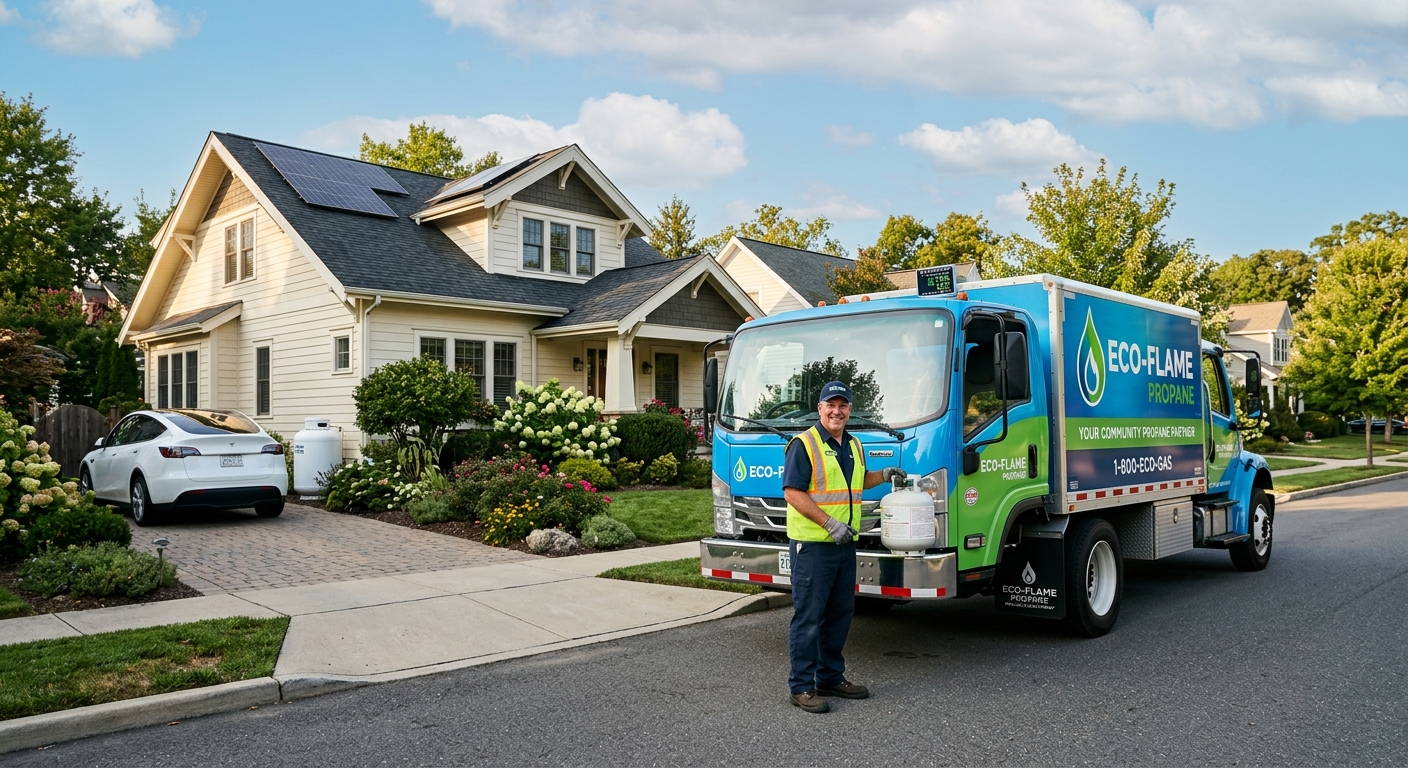
Benefits of Propane Delivery
Propane delivery combines convenience, safety, cost efficiency, and environmental benefits, making it a compelling choice. Local providers ensure high safety standards, with staff trained to minimize risks associated with propane handling and transport. Advanced technology further enhances convenience, with systems that monitor fuel levels and automatically schedule refills, preventing shortages and reducing manual intervention.
The economic advantages of propane delivery include tailored pricing plans, seasonal discounts, and volume contracts that adapt to consumption patterns. Pricing can fluctuate based on factors like region or tank size, but many companies offer options that align with different customer needs. Importantly, propane is cleaner-burning than many traditional fuels, resulting in lower emissions and improved air quality. Its high efficiency contributes to a smaller environmental footprint, supporting both sustainability and energy independence.
Comparison with Traditional Fuels
Propane’s regulatory environment tends to offer consumers more transparency and simplicity compared to traditional fuels, which may be subject to complex federal regulations. Environmentally, propane’s lower emissions of pollutants compared to gasoline and diesel significantly reduce health risks for users and surrounding communities. For example, it emits fewer greenhouse gases and supports efforts to meet stricter emissions standards, making it an environmentally responsible choice.
Costo efficiency is also a driver; propane delivery can be flexible with fixed-price contracts or volume discounts tailored to individual needs, enhancing financial predictability. This adaptability can benefit household or industrial users who require varying levels of fuel throughout the year, depending on seasonal demands and usage patterns.
Logistics of Propane Delivery
The propane supply chain is geared towards efficient transport from production to end users, emphasizing safety at every stage. Specialized equipment is necessary to handle propane’s specific properties safely, ensuring reliability in delivery. Factors influencing transport and delivery costs include route optimization and fuel consumption, which are critical in maintaining affordability for end users.
Infrastructure supporting propane delivery is expanding, facilitating greater accessibility and reliability for both residential and commercial customers. The trend of on-site fuel delivery for larger properties enhances operational efficiency while addressing growing energy demands across sectors. Innovations in logistics, such as small-scale on-demand delivery and emerging technologies like blockchain, are expected to streamline service further and enhance traceability in supply chains.
Applications and Uses of Propane
Propane delivery serves a multitude of applications, making it a versatile energy source across various sectors. In residential settings, it is predominantly used for heating, cooking, and providing hot water, especially in rural areas where alternative options may be limited. The efficiency and availability of propane systems often make them preferable for households seeking reliable energy independence.
Commercial and industrial applications significantly benefit from propane’s reliability; businesses often use it to power equipment, thereby improving operational productivity. Additionally, propane’s role in modern refrigeration technologies positions it as a promising alternative in sectors looking to minimize environmental impacts associated with traditional refrigerants.
Choosing Propane Delivery
When selecting propane delivery, it’s essential to evaluate factors like convenience, cost, and environmental impact. Pricing can vary widely across suppliers, making it vital to compare offers, such as fixed contracts or seasonal discounts, to get the best value. Understanding your specific energy needs can help determine the most suitable delivery method and contract options.
Environmental considerations also play a crucial role; with propane’s cleaner combustion characteristics, it presents an attractive alternative to traditional fossil fuels. Local market dynamics should also be assessed, as availability and competition can impact service quality and pricing. Ultimately, an informed decision based on individual or business energy requirements can guide you towards the most suitable propane delivery solution.
The content is provided by Jordan Fields, Front Signals