
Summary
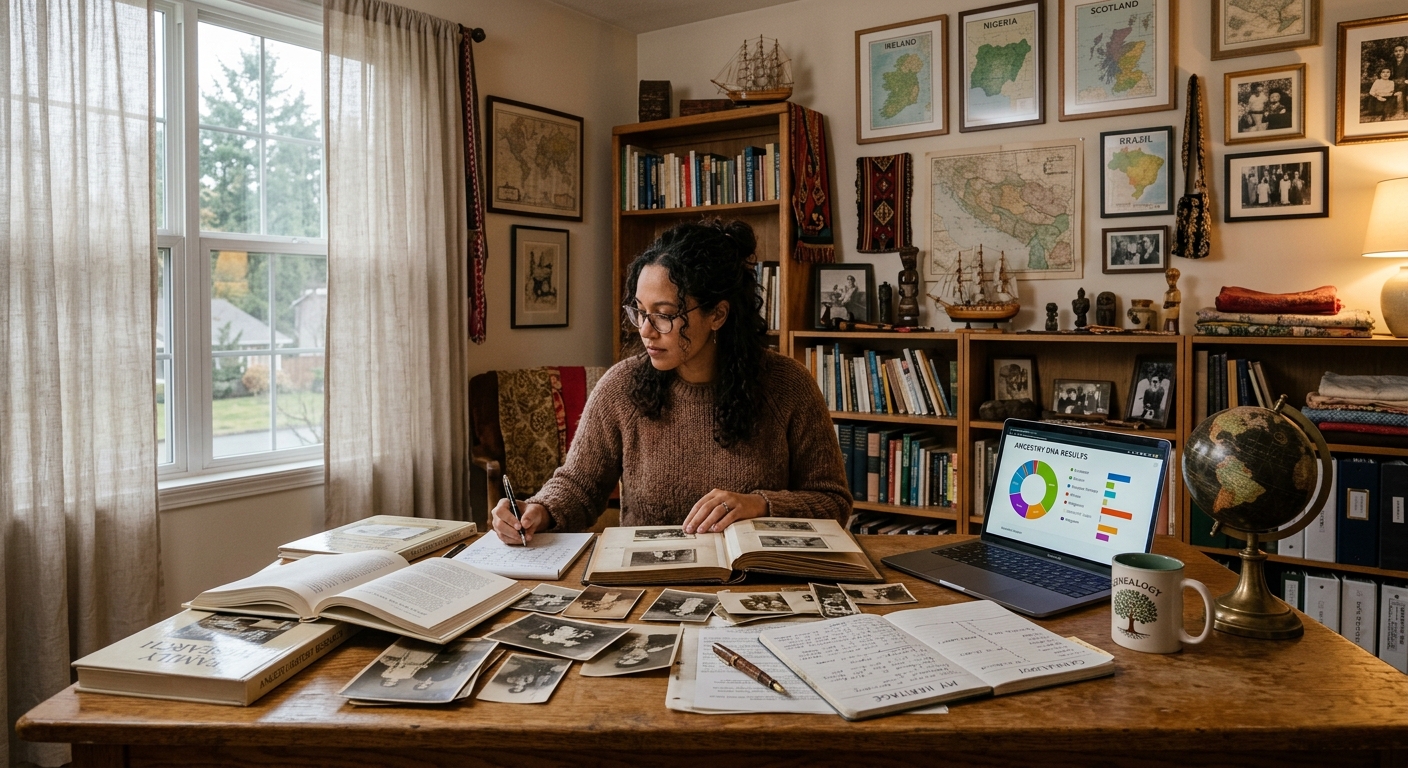
Unlocking Your Heritage: A Comprehensive Guide to Exploring Your Ancestry and Uncovering Your True Ethnicity provides practical tools for individuals seeking to understand their genealogical background and cultural identity. This guide emphasizes the distinction between ancestry and ethnicity, integrating traditional research methods with modern genetic testing to create a holistic approach to heritage research. It addresses challenges like inaccuracies in historical records and emphasizes ethical considerations, helping readers navigate the complexities of identity and heritage sensitively.
Understanding Ancestry and Ethnicity
Ancestry refers to biological lineage through genealogical records, while ethnicity captures shared cultural traits such as language and traditions. Understanding both concepts is important, as ancestry often delineates direct descent, whereas ethnicity can evolve based on cultural connections and social dynamics. The fluidity of ethnicity means that individuals may express their identity differently depending on their cultural context and experiences, leading to a richer understanding of personal heritage.
Researching Ancestry
Effective ancestry research combines traditional genealogical records and modern genetic tools. Vital records, census data, and immigration logs serve as foundational documents that distinguish family connections, while DNA testing aids in identifying ethnic origins and forging connections with relatives. When employing these methods, it’s vital to corroborate findings with reliable sources and maintain clear objectives to enhance accuracy and depth in genealogical investigations.
Traditional Genealogical Records
Vital records such as birth certificates and marriage licenses are crucial for establishing family ties across generations. Census records present valuable insights into family life, but researchers must validate findings due to potential inaccuracies. In addition, church and military records offer context, while local histories enrich understanding of individual ancestors within their communities.
Genetic Genealogy
DNA testing has revolutionized how individuals trace their ancestry, revealing ethnic backgrounds and connecting users with relatives. Companies offering DNA kits analyze genetic markers to uncover ancestral origins, making it easier to fill in gaps in historical research. Combining genetic data with a comprehensive family tree can yield a more detailed understanding of one’s heritage.
Research Practices and Tools
Organized and systematic research practices are essential for accuracy in genealogy. Focusing on one record at a time and evaluating the reliability of each source helps prevent errors. Utilizing oral histories and local connections can further enrich research, as does preserving family stories and experiences that contribute to a deeper sense of identity.
Tools and Resources
Various tools aid genealogical research, categorized into reference materials, technology, and genetic testing services. Reference tools help locate and comprehend records, while local sources provide critical context for understanding family history. Technological advancements such as genealogy software and online databases have significantly enhanced accessibility and efficiency, allowing users to conduct searches and connect with other researchers easily.
Reference Tools and Local Sources
Reference materials assist in navigating genealogical records and understanding their contexts. Local repositories, like historical societies and libraries, provide access to unique records that enrich family research. Engaging with compiled local histories can shed light on broader community narratives impacting individual ancestry.
Technological Tools and Online Platforms
Technology has made genealogy research more accessible through software and online platforms allowing users to build family trees and access extensive databases. Social media also enables collaboration and sharing among genealogists, facilitating the discovery of new connections and information.
Genetic Testing and DNA Services
DNA testing offers novel ways to validate historical research and estimate ethnic origins, significantly enhancing the understanding of one’s ancestry. However, users must acknowledge the limitations of genetic testing, including potential privacy concerns and the evolving nature of ethnicity estimates. Balancing these insights with traditional research ensures a well-rounded approach to genealogy.
Cultural and Historical Context
Cultural and historical frameworks shape our understanding of ethnicity, emphasizing its dynamic nature. Ethnic identities can shift based on social contexts, making it essential to contextualize personal ancestry within broader historical narratives. Genealogical research reveals how individual family histories intertwine with larger movements, allowing deeper insights into heritage.
Ethical and Privacy Considerations
As genealogy and genetic testing gain popularity, ethical and privacy issues become significant. Accuracy in genealogical records and the interpretation of genetic data are crucial to prevent the reinforcement of simplistic racial categories. Users should carefully consider privacy risks when sharing genetic information and approach ancestry research with a nuanced understanding of its implications.
Challenges and Limitations in Ancestry Research
Ancestry research faces challenges like historical inaccuracies and the variable quality of records, complicating lineage tracing. Genetic testing also presents limitations, as it provides probabilistic estimates rather than definite conclusions. These factors highlight the importance of thorough verification and multiple data sources while engaging in genealogical research.
Benefits and Impacts of Exploring Heritage
Delving into heritage offers significant psychological and emotional benefits, empowering individuals and fostering resilience. Engaging with family history can also enhance identity formation, enabling individuals to integrate cultural traditions into their self-concept. Ultimately, exploration of one’s heritage creates a meaningful connection to the past, reinforcing shared identities across generations.
Case Studies and Personal Narratives
Using narrative approaches in heritage exploration allows individuals to reconstruct personal and family identities within cultural contexts. Studies reveal that ancestral experiences profoundly impact descendants, influencing their narratives and psychological wellbeing. By reframing family histories of adversity as sources of strength, individuals can develop a more empowered sense of self through understanding their heritage.
The content is provided by Avery Redwood, Front Signals