Unlocking GM’s Electric Future
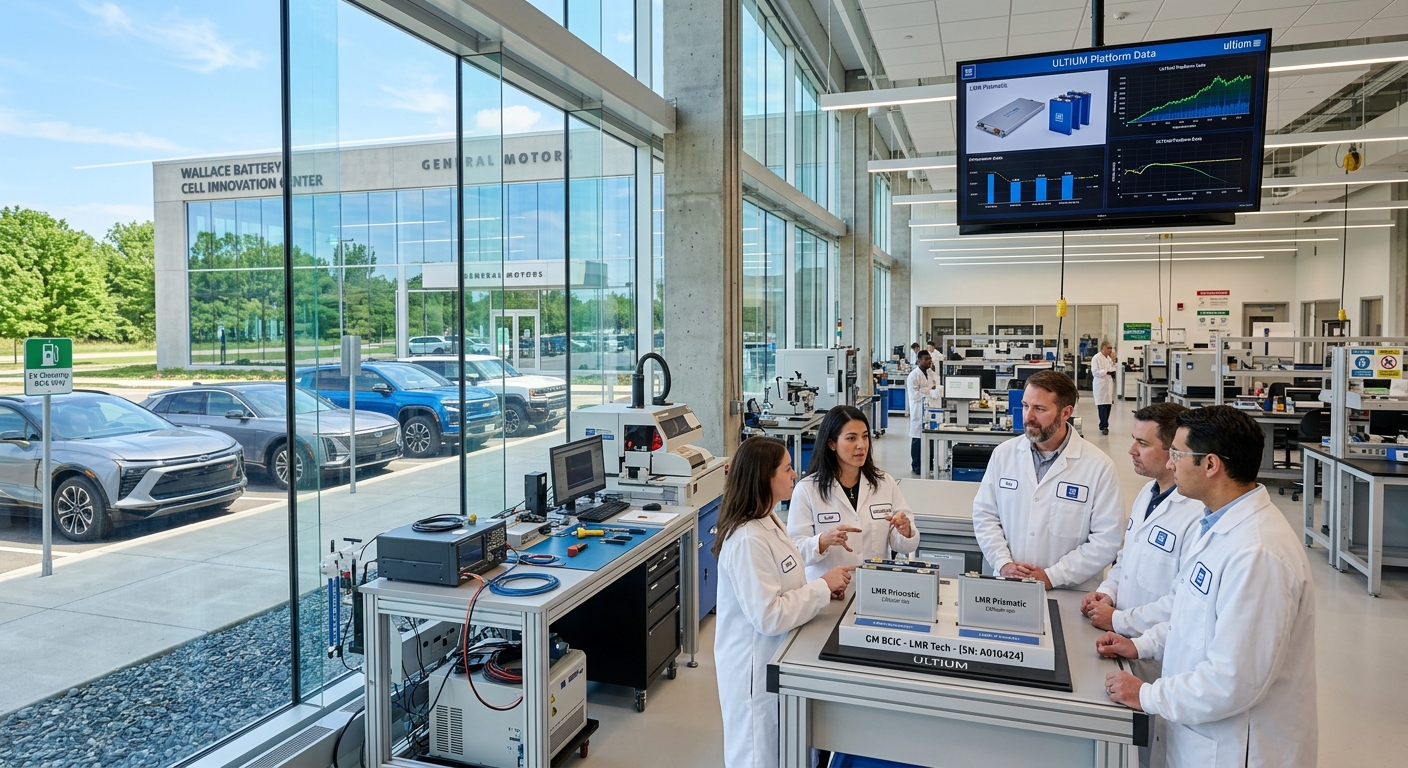
General Motors (GM) is positioning itself at the forefront of the electric vehicle (EV) transformation through its advanced battery technology and the Wallace Battery Cell Innovation Center (BCIC) in Warren, Michigan. This facility is critical for developing next-generation lithium-ion batteries, particularly lithium manganese-rich (LMR) prismatic cells, which significantly lower costs and enhance performance. GM’s battery strategy not only localizes the supply chain in North America but also facilitates competitive pricing and widespread EV adoption.
Strategic Goals of the Innovation Hub
The BCIC focuses on three key objectives: cutting battery costs, boosting performance, and localizing the supply chain. Innovations at the center have already reduced battery pack costs by around $6,000 while improving energy density and manufacturability. By adopting LMR chemistry and simplifying design, GM seeks to deliver high-performance EVs that meet diverse consumer needs while ensuring local production stability through strategic partnerships, especially with LG Energy Solution.
Battery Technology Development
At the BCIC, GM is pioneering battery technologies that extend beyond traditional lithium-ion systems, exploring advanced chemistries including silicon and solid-state batteries. The upcoming LMR prismatic cells exemplify this focus, being lighter and more cost-effective than previous designs. Collaborations with LG Energy Solution drive advancements in battery components and assembly, ensuring GM remains competitive while meeting future EV demands.
Manufacturing and Production Innovations
GM’s manufacturing strategy leverages the capabilities of the BCIC to transition experimental battery cells to mass production efficiently. Innovations like the wireless battery management system significantly reduce wiring and associated costs and complexities. Despite some production challenges, GM is expanding assembly capabilities and securing domestic raw material supplies to bolster its manufacturing robustness and meet growing EV demand.
Partnerships and Ecosystem
Strategic partnerships, particularly with Samsung SDI and LG Energy Solution, enhance GM’s production and sustainability efforts. The joint venture with Samsung SDI focuses on expanding domestic battery cell production, crucial for diversifying battery formats tailored to various vehicle models. This collaborative ecosystem supports GM’s broader sustainability goals and strengthens its supply chain resilience in the competitive EV market.
Role in GM’s Electric Vehicle Strategy
GM’s strategy hinges on advancing lithium-ion battery technology for a diverse EV lineup, including models like the Chevrolet Silverado EV and Cadillac LYRIQ. With a $27 billion investment planned through 2025, GM aims to launch 30 new EV models, enhancing its market responsiveness. This innovative backbone enables GM to navigate challenges posed by regulatory changes and fluctuating demand, ensuring a strong market presence and alignment with sustainability objectives.
Impact on the Automotive Industry
GM’s leadership in the EV sector is marked by its significant investments in battery development, reflected in its stature as North America’s leading battery manufacturer. By prioritizing energy efficiency and cost reductions, GM challenges competitors like Tesla while increasing its market share. Innovations at the BCIC allow GM to bring new technologies rapidly to market, pushing the automotive industry closer to widespread EV adoption.
Environmental and Economic Implications
GM’s electric vehicle initiatives are aligned with environmental sustainability goals. By focusing on carbon neutrality throughout the battery lifecycle, GM enhances environmental stewardship while supporting local economies through job creation. Investments in research and development are designed not only to foster innovation but also to establish a robust domestic supply chain critical for the future of clean energy transportation.
Future Prospects and Expansion Plans
The BCIC is central to GM’s plans for scaling battery technology and production in response to growing EV demand. With collaborations set to enhance production scalability, GM is invested in advancing battery chemistries that improve performance and reduce manufacturing costs. This strategic growth positions GM to lead in the EV landscape while adapting to changing market dynamics.
Reception and Criticism
GM’s ambitious drive towards electrification has garnered mixed reviews. While its focus on integrating the battery supply chain is praised for enhancing competitiveness, critics highlight financial struggles and delays caused by operational adjustments. As the industry shifts, GM’s challenges reflect the complexities involved in moving away from internal combustion engines while navigating evolving market conditions.
The content is provided by Jordan Fields, Front Signals