Summary
The guide provides pivotal insights for selecting and maintaining backup generators, critical for ensuring power during outages. Users are likely seeking clarity on generator types—portable, standby, inverter, and diesel—along with considerations like capacity, fuel type, noise levels, and compliance with environmental regulations. Understanding these elements can alleviate concerns about reliability, safety, and alignment with growing regulatory standards.
Overview and Purpose
Generators are essential for ensuring uninterrupted power supply during outages, directly impacting safety and operational continuity. Regular maintenance is key to optimizing performance and complying with federal regulations, including emissions and noise control requirements. Adhering to standards such as NFPA 110 ensures reliability for critical applications like medical equipment and fire protection.
Types of Backup Generators
Understanding the various types of generators helps in selecting the right model based on specific needs. The primary types include portable, standby, inverter, and diesel generators, each with unique benefits tailored for different usage scenarios.
Portable Generators
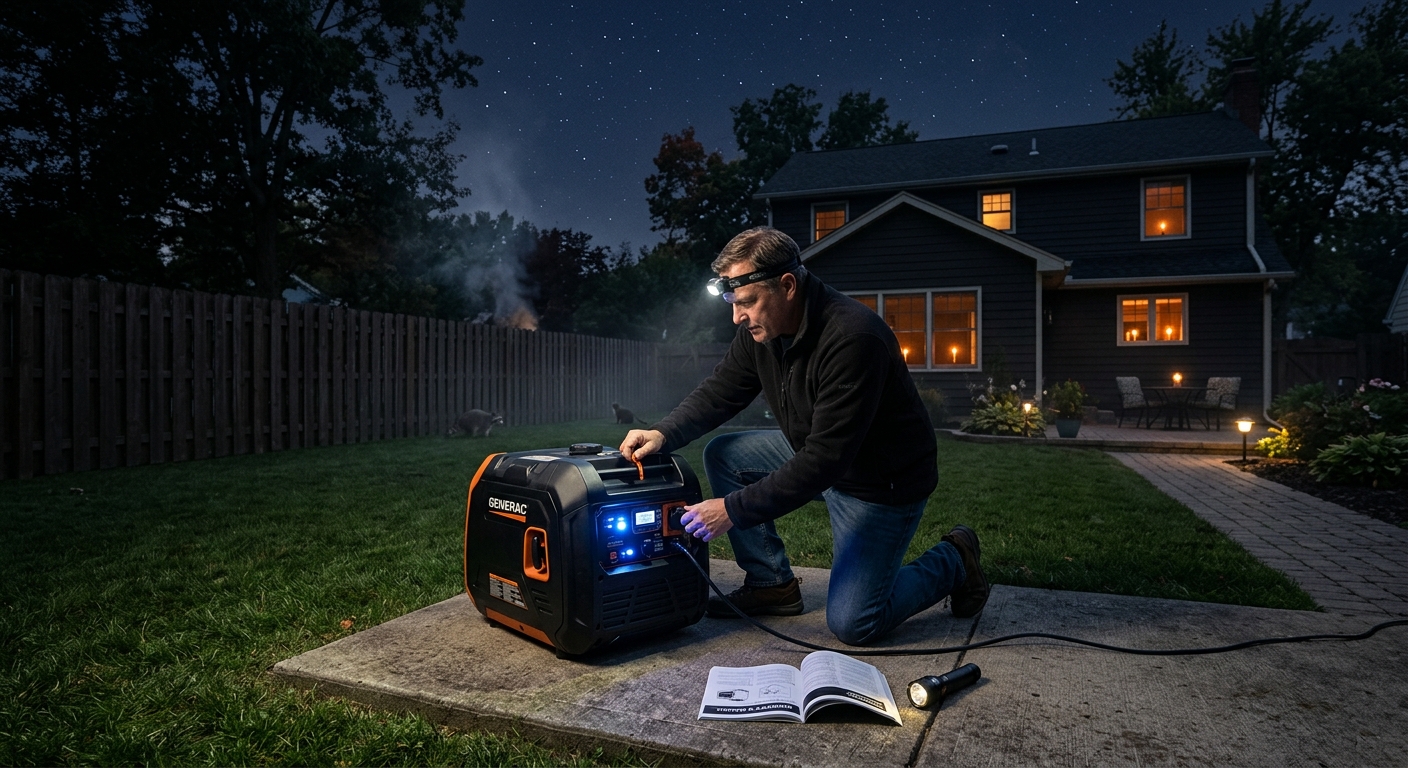
Portable generators provide mobility, ideal for outdoor events and temporary backup, typically running on gasoline. While convenient, they have limitations in powering multiple household circuits without additional equipment like transfer switches, and require manual setup during outages.
Standby Generators
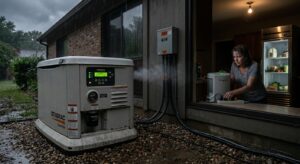
Standby generators are permanently installed and automatically activate during power failures, making them essential for continuous operation in critical facilities. They generally utilize natural gas or propane and are designed to meet building codes for high-priority applications, ensuring reliable power supply.
Inverter Generators
Inverter generators convert raw engine output into stable electricity, ideal for sensitive electronics. Their compact size, fuel efficiency, and lower noise levels make them suitable for recreational use and areas needing reduced sound disturbance.
Diesel Generators
Diesel generators offer durability and fuel efficiency, commonly used in facilities with frequent outages. However, they require more maintenance and generate higher emissions, which are increasingly regulated, posing challenges for use in urban environments.
Key Components and Operational Principles
Backup generators comprise critical components like fuel systems, internal combustion engines, and alternators, functioning together to generate electricity. Proper storage and distribution of fuel, alongside mechanisms to regulate and protect electrical output, are necessary for seamless operation during outages.
Fuel Types and Their Impact
The choice of fuel is pivotal for generator performance and cost. Common fuels include gasoline, diesel, natural gas, and propane, each offering different pros and cons, such as storage needs and efficiency, which can influence long-term operational planning.
Gasoline
Gasoline is suited for smaller, portable generators but has a short shelf life, making it less ideal for infrequent use in standby configurations. Its convenience must be weighed against storage limitations.
Diesel
Diesel offers fuel efficiency and longevity, making it a popular choice for industrial applications; however, it produces higher emissions and is subject to growing regulatory scrutiny. Understanding these factors is crucial when considering diesel options.
Natural Gas
Natural gas benefits from continuous supply via pipelines but may not deliver as much power as diesel or gasoline. Its environmental advantages can be appealing, yet it also faces limitations during emergencies.
Propane
Propane offers a clean fuel option with an unlimited shelf life, suitable for sporadic use, though it requires proper storage and can incur higher installation costs. Weighing these factors against intended usage is important for long-term reliability.
Considerations for Fuel Choice
Choosing the right fuel type necessitates evaluating local availability, storage options, and specific power needs. For some, natural gas may be the best choice due to infrastructure, while others might need to consider diesel or propane based on outage frequency and logistics.
Environmental Impact and Regulations
Diesel generators are particularly scrutinized for their emissions, facing stringent EPA regulations that may evolve over time. Compliance with both federal and local standards is crucial to avoid penalties and to minimize health impacts in surrounding communities.
Noise Levels and Pollution Considerations
Noisy diesel generators may require additional soundproofing measures, which can increase installation costs. Understanding local noise ordinances and selecting quieter models can help mitigate disruption and comply with regulations.
Sizing and Capacity Requirements
Proper sizing ensures generators can effectively support essential loads without overspending on unnecessary capacity. Load prioritization and suitable transfer switches connect power seamlessly during outages, allowing for quick response and efficiency.
Installation and Maintenance
Installation requires qualified professionals to ensure safety and compliance with regulations, notably through the inclusion of transfer switches. Regular maintenance is vital for readiness and longevity, emphasizing preventive checks to avoid failures during critical outages.
Cost and Budget Considerations
Generator costs vary widely, making an understanding of both initial purchase and ongoing operational expenses important for decision-making. Balancing upfront costs with long-term maintenance and fuel logistics is essential to ensure reliability without exceeding budget constraints.
Choosing the Perfect Backup Generator
Selecting the right generator involves evaluating power capacity, fuel types, and noise levels against specific needs and operational requirements. Understanding transfer switch compatibility further enhances safety and efficiency in emergency backup setups.
Safety Tips for Usage
Ensuring safety with backup generators includes selecting proper transfer switches to prevent back-feeding, conducting regular maintenance, and adhering to local emission regulations. Noise control, fuel storage, and compliance with safety standards further safeguard operations, promoting reliability when power outages occur.
Popular Brands and Models
When assessing different brands like Generac, Honda, Briggs & Stratton, and Cummins, consider how well they match your needs for power capacity and operational efficiency. Understanding the latest updates in emissions technology and maintenance requirements can guide an informed purchase decision.
The content is provided by Blake Sterling, Front Signals