
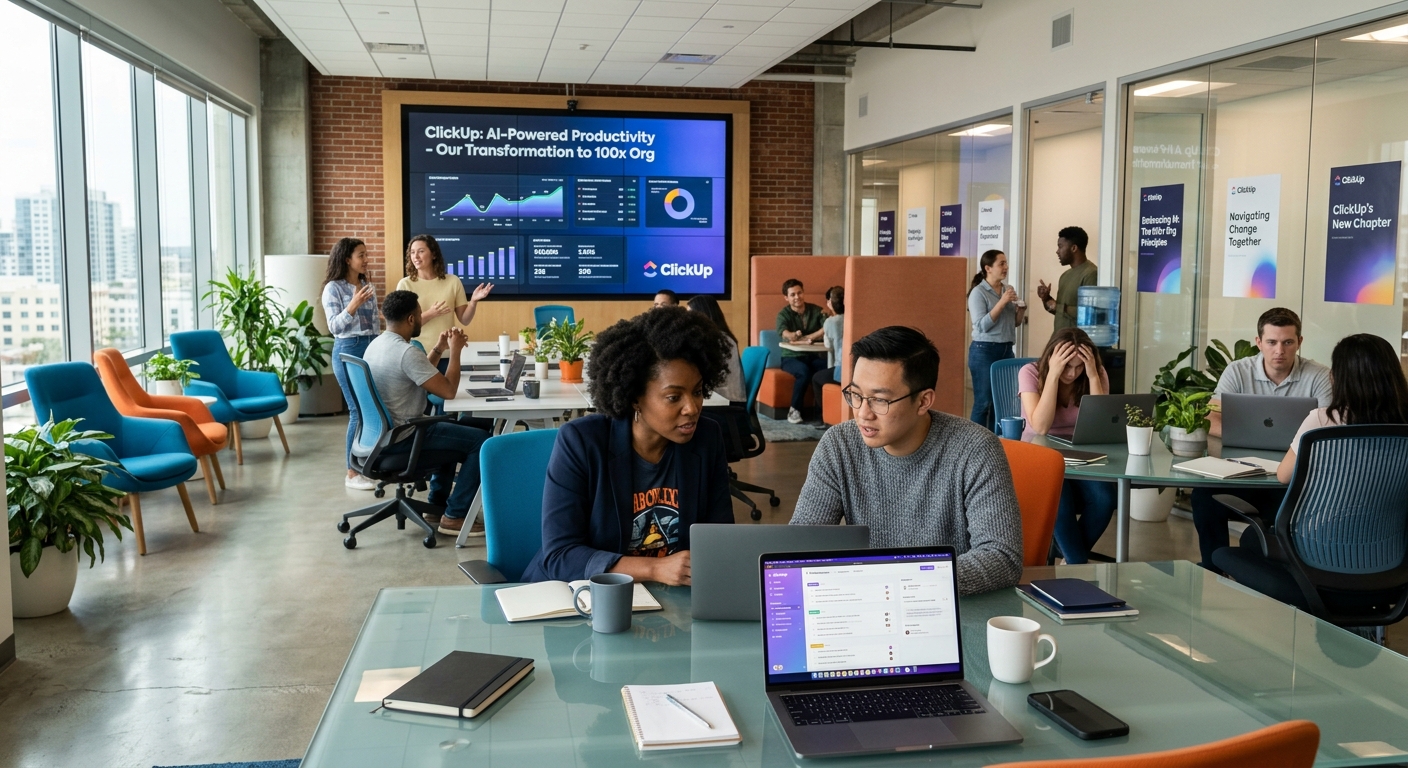
ClickUp’s Strategic Shift and Workforce Reduction
ClickUp recently reduced its workforce by approximately 22%, impacting various departments, as part of a pivotal transition towards AI-driven operations. This reduction follows the company’s earlier expansions and reflects a broader trend in the tech industry, which is adapting to new investor expectations focused on profitability and operational efficiency. The layoffs are not merely cost-driven but are presented as a restructuring to prepare for future growth and an anticipated IPO.
Role of AI in Restructuring
The integration of AI is at the core of ClickUp’s transformation, with the introduction of around 3,000 internal AI agents designed to automate complex tasks. This shift has necessitated changes in team structures, merging product, design, and project management units into integrated teams for better collaboration. Employees are encouraged to adapt to AI workflows, with the company emphasizing high-value contributions through a new compensation framework that rewards those making significant impacts via AI.
Concerns and Internal Critiques
While aiming for efficiency, employee feedback reflects concerns about the pace of change and management effectiveness. Some describe the company culture as overly focused on immediate financial results, leading to rushed projects and issues with product reliability. Additionally, there are complaints about recruitment practices and diversity that compound feelings of job insecurity following the layoffs.
Market and Investor Reactions
The layoffs have caught the attention of investors and industry analysts, who view ClickUp’s strategic realignment as part of a larger trend in technology firms focusing on AI integration. Investors demand evidence of how well companies, including ClickUp, are adapting cost structures and improving profitability through AI. The scrutiny underscores the need for effective talent management amid significant workforce reductions and rising compensation for specialized AI roles.
Future of Work Implications
ClickUp’s approach raises vital questions regarding the future of work in an AI-driven economy. The balance of automation versus human engagement is critical, as the company seeks to optimize labor while still retaining essential human roles. The structural changes within ClickUp may serve as a microcosm of broader shifts in the tech sector, highlighting the evolving nature of employment and worker contributions as AI technology matures.