
Summary
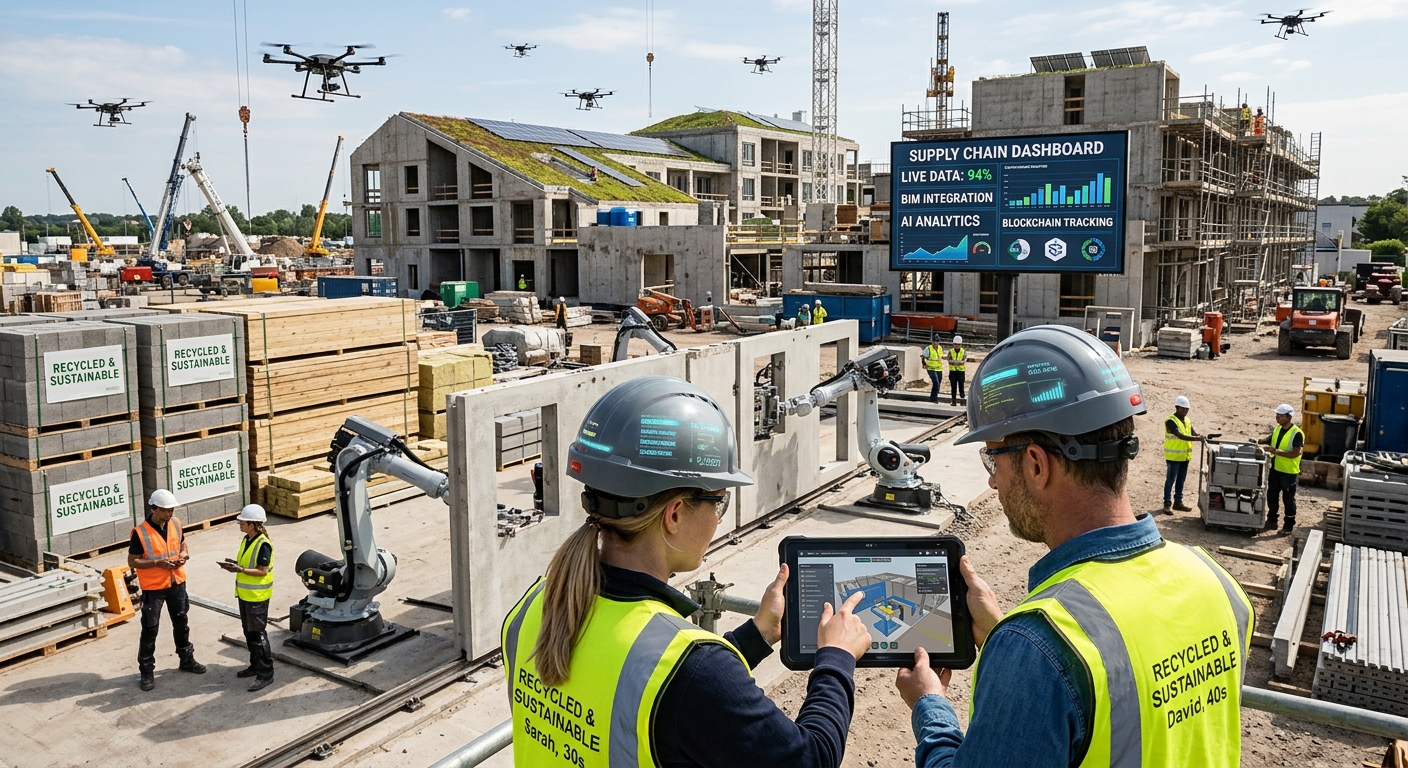
The construction industry is rapidly evolving, driven by advanced supply chain management trends that are impacting operations, costs, and environmental responsibilities. Factors like material shortages and global market volatility are pushing companies to adopt innovative technologies and sustainable practices to enhance resilience. Key innovations such as Building Information Modeling (BIM), Internet of Things (IoT), and artificial intelligence (AI) are becoming essential in driving efficiency and transparency throughout the supply chain, while sustainability initiatives are gaining importance due to regulatory pressures and environmental awareness.
Current Challenges
Despite the industry’s advancements, construction companies face significant challenges hindering the adoption of these technologies. High costs and a lack of skilled workers can slow down innovation, while ongoing supply chain volatility can disrupt project timelines and escalate costs. Additionally, many firms struggle to balance sustainability goals with traditional operational demands, which adds complexity and can lead to further delays.
Technological Integration
Technology is central to enhancing construction supply chain operations. Tools like BIM provide valuable insights for lifecycle assessments, while IoT sensors enable real-time monitoring and data analytics, improving efficiency in material tracking and resource management. Automation and robotics are streamlining labor-intensive tasks and logistics, which leads to safer work environments and reduced operational costs. However, optimization challenges remain due to underutilized data generated by IoT technologies.
Sustainability Focus
There is a growing commitment within the construction industry to adopt sustainable practices. This includes using materials with lower carbon footprints and employing circular economy strategies to reduce dependency on volatile supply sources. Companies are increasingly aware of the economic advantages that come with sustainability, such as improved performance and compliance with evolving regulations. Engaging suppliers who prioritize sustainability in their procurement practices aligns with these goals while reinforcing corporate social responsibility.
Impact of Regulations
Government policies are shaping the industry’s approach to sustainability through stringent regulations aimed at reducing environmental impacts. As firms are required to disclose their environmental data more transparently, they are compelled to implement sustainable practices across their supply chains to comply with standards like the European Green Deal. Such regulations can pose challenges, particularly for smaller firms; balancing compliance with economic viability remains a key concern.
Future Directions
The future of construction supply chains appears promising as technological and sustainable innovations are expected to converge. The integration of AI, digital twins, and advanced materials management will likely transform project planning and operational efficiencies. Companies are also focusing on diversification strategies to mitigate supply risks, ensuring they remain agile amid market uncertainties. As the construction sector embraces these changes, it is well-positioned to lead the way in sustainable and resilient practices well into the future.
The content is provided by Blake Sterling, Front Signals