
Understanding Printer Supplies
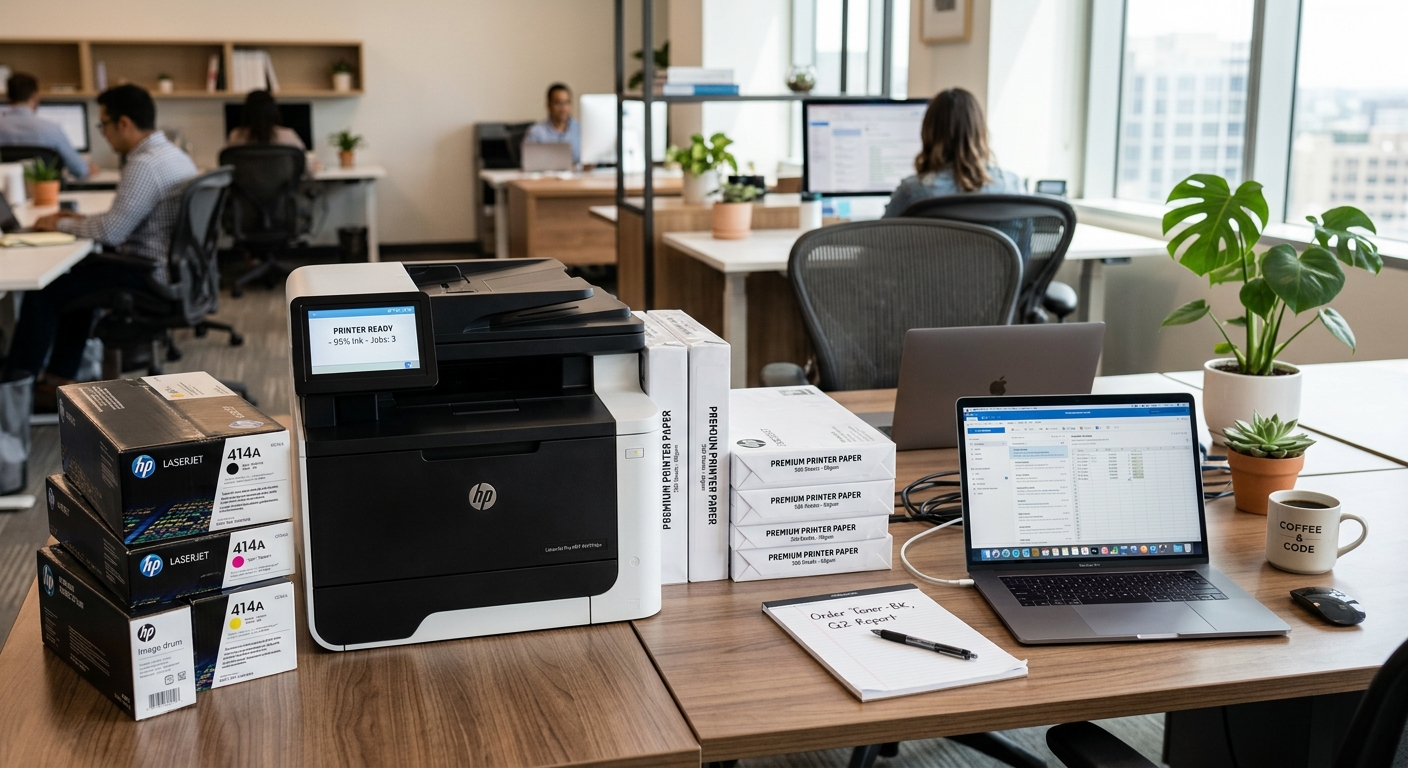
Printer supplies are crucial for maintaining efficient printing operations in your office, covering key consumables like ink cartridges, toner, and various types of paper. Each supply serves a specific function and directly impacts print quality and the longevity of your equipment. Recognizing the distinction between ink and toner can simplify your purchasing choices and support your printing needs effectively.
Key Considerations for Printer Supply Selection
When selecting printer supplies, understanding your printing volume and document types is essential. Inkjet printers, for instance, excel at color printing for low-volume tasks, whereas laser printers are better suited for high-volume black-and-white documents. Cost is another critical factor, as inkjet cartridges can have higher long-term costs compared to toner cartridges, which generally offer a lower per-page cost.
Choosing the Right Paper
Selecting the appropriate paper is key for printing quality. Standard white inkjet paper is fine for internal documents, but specialized papers might be necessary for client-facing materials. Consider cardstock for durability in items like business cards and ensure the chosen paper size aligns with your printers to avoid compatibility issues.
Ink and Toner Cartridge Selection
Understanding the differences between ink and toner cartridges is vital for achieving the best print quality. Use high-quality cartridges to minimize issues like color inconsistency and wear on your printer. Moreover, consider options such as OEM, compatible, or remanufactured cartridges depending on your budget and quality requirements.
Understanding Printer Technologies
Different printers, like laser and inkjet, require unique consumables that affect performance. Laser printers utilize toner cartridges and require various components for operation, while inkjet printers rely on liquid ink cartridges. Familiarizing yourself with the technology behind your printer allows for informed decisions regarding supplies and enhances operational efficiency.
Managing Costs Effectively
Budgeting for printer supplies requires a comprehensive understanding of both initial and ongoing costs. Energy efficiency and total cost of ownership should be central considerations, as these can significantly affect long-term expenses. Viewing supplies as a long-term investment enables better decision-making that aligns with your operational needs.
Inventory and Vendor Management
Effective inventory management ensures you maintain adequate stock levels, preventing operational disruptions. Organizing your supplies, setting par levels, and regular audits help optimize your inventory system. Building strong vendor relationships can also enhance procurement efficiency, offering better flexibility and support.
Common Pitfalls in Supply Selection
Avoid mistakes like neglecting total cost of ownership or overlooking compatibility, which can lead to additional expenses and operational headaches. Effective inventory management, including monitoring stock levels, is crucial to prevent shortages. Exploring a diverse range of vendor options can also enhance your purchasing flexibility and ensure competitive pricing for your supplies.
The content is provided by Jordan Fields, Front Signals