
Summary
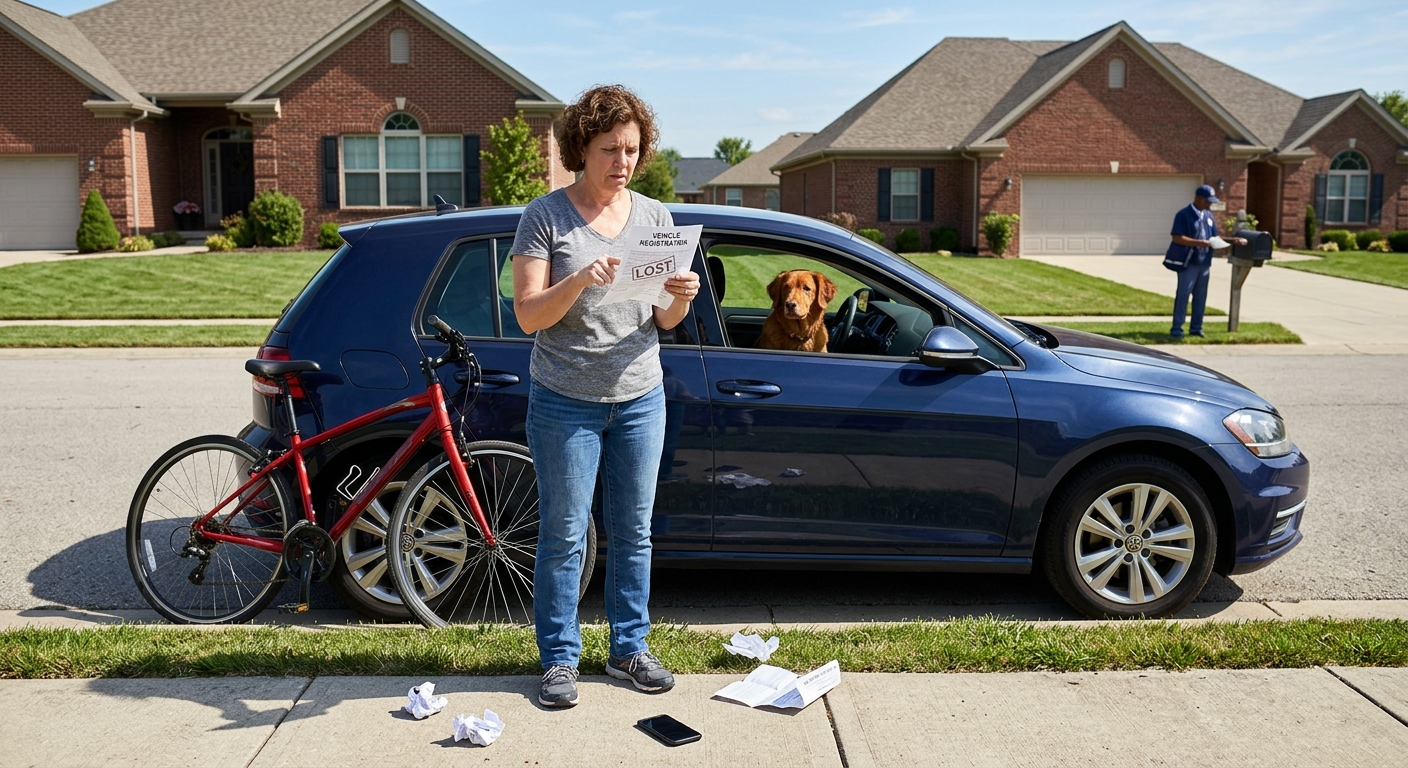
Many vehicle owners face the inconvenience of losing their registration documents, which serve as proof of legal vehicle registration. This loss not only complicates ownership verification but also poses risks such as identity theft. To mitigate these risks, vehicle owners should act quickly by reporting the loss to both law enforcement and their local Department of Motor Vehicles (DMV) to initiate a replacement process and safeguard against potential misuse.
Common Causes of Losing Vehicle Registration
Misplacing vehicle registration documents can stem from various factors, including simple misplacement during transportation or storage. Theft is another serious concern, as stolen documents can be misused, exposing owners to liability. Additionally, physical damage due to environmental factors or administrative issues during renewal can further necessitate obtaining a replacement registration.
Immediate Actions Upon Discovering a Lost or Misplaced Registration
If your vehicle registration is lost or stolen, start by thoroughly searching common storage areas. If not recovered, report the loss to local law enforcement, providing pertinent details like the license plate number and vehicle identification number (VIN) to create an official record. Next, notify your DMV to request a replacement registration, which can usually be done online, by mail, or in person based on local jurisdiction. It’s also wise to inform your insurance provider about the loss, as they can offer further protective measures against identity theft.
Contacting Relevant Authorities
Promptly report the loss or theft of your registration to local law enforcement to safeguard your ownership and liability. Afterward, contact your DMV to apply for a duplicate registration, often available through online services that simplify the process. If problems arise during this process, reaching out directly to the DMV’s vehicle services division can provide additional support.
Applying for a Replacement Vehicle Registration
Obtaining a replacement vehicle registration is typically straightforward and can be done online, by mail, or in person. Necessary information includes your vehicle identification number (VIN) and proof of ownership, such as a current or expired registration or insurance documents. Having a valid personal ID is also essential for verification purposes.
Application Methods
Many states allow online applications for replacement registrations through their DMV portals, often providing a digital document for immediate use. Alternatively, for in-person applications, schedule an appointment and ensure you bring all required documentation. Mailing requests can also be done but usually takes longer for processing.
Fees and Processing Times
Fees for replacement registrations generally range from $4 to $25, with variations based on the state. Some states may offer expedited processing options for an additional charge. Processing times can vary, so it’s important to check your state’s specific guidelines, as some may provide immediate digital registrations while others may take several business days.
Verification and Fraud Prevention Measures
To ensure registration documents are legitimate, thorough verification practices should be employed. Basic knowledge of security features along with tools for authentication helps prevent fraud and protect both vehicle owners and authorities. Such measures typically include identity confirmation and proof of residency, along with effective reporting of any lost or stolen documents to minimize the risk of fraudulent use.
Interaction with Vehicle Titles and Insurance Policies
Vehicle titles and insurance policies are intrinsically linked to vehicle registration processes. Owners may need to present their title when applying for registration, and missing titles can also be replaced through similar processes. Valid insurance is usually a prerequisite for registration, emphasizing the need for an accurate and complete application to prevent delays.
Legal Implications and Penalties
Driving without a valid vehicle registration results in penalties that may include fines and points on your driving record. The severity of these penalties can increase with repeated offenses or if additional legal issues, such as lack of insurance, are involved. Understanding these implications underscores the importance of maintaining up-to-date registration and addressing any issues promptly.
Tips for Preventing Future Loss
Preventative measures for vehicle registration loss include storing documents securely in easily accessible locations. Regular reporting is crucial if documents are stolen, and being vigilant regarding potential fraudulent activity will provide additional security. Verifying the authenticity of vehicle documents when buying or selling can also prevent complications later on.
Frequently Asked Questions (FAQs)
For those seeking guidance on replacing vehicle registration documents, the following points address common inquiries. Gathering necessary documents and understanding application processes can streamline the replacement journey, ensuring compliance and safety for all vehicle owners.
How can I get a duplicate vehicle registration?
Most states allow you to request a duplicate registration online through the DMV’s official website, which simplifies the process.
What documents are required to request a duplicate registration?
Proof of identity, such as a driver’s license or state ID, along with vehicle information including the license plate number and VIN is typically required.
Are there fees associated with obtaining a duplicate registration?
Yes, fees vary by jurisdiction but usually represent a small administrative charge for processing the request.
Can I complete the duplicate registration process entirely online?
In many states, the entire process can be completed online, although some may require in-person verification for certain cases.
Where can I find more information about vehicle registration and related topics?
Additional resources can provide detailed information about vehicle registration and related requirements, assisting in navigating this process effectively.
The content is provided by Avery Redwood, Front Signals