
Importance of Vehicle Registration
Maintaining valid vehicle registration is essential for legal road use, linking your vehicle to your ownership while ensuring compliance with state laws. Losing registration documents can lead to significant legal issues, including fines and vehicle impoundment. Understanding retrieval options is crucial for addressing the urgency of replacement needs.
Reasons for Document Loss
Vehicle owners often misplace registration documents due to common factors like human error, theft, or damage. Daily handling and transport of paperwork increase the risk of misplacement, which can cause stress when documents are needed for legal purposes. Awareness of these risks encourages proactive measures for secure storage and retrieval solutions.
Retrieving a Lost Registration
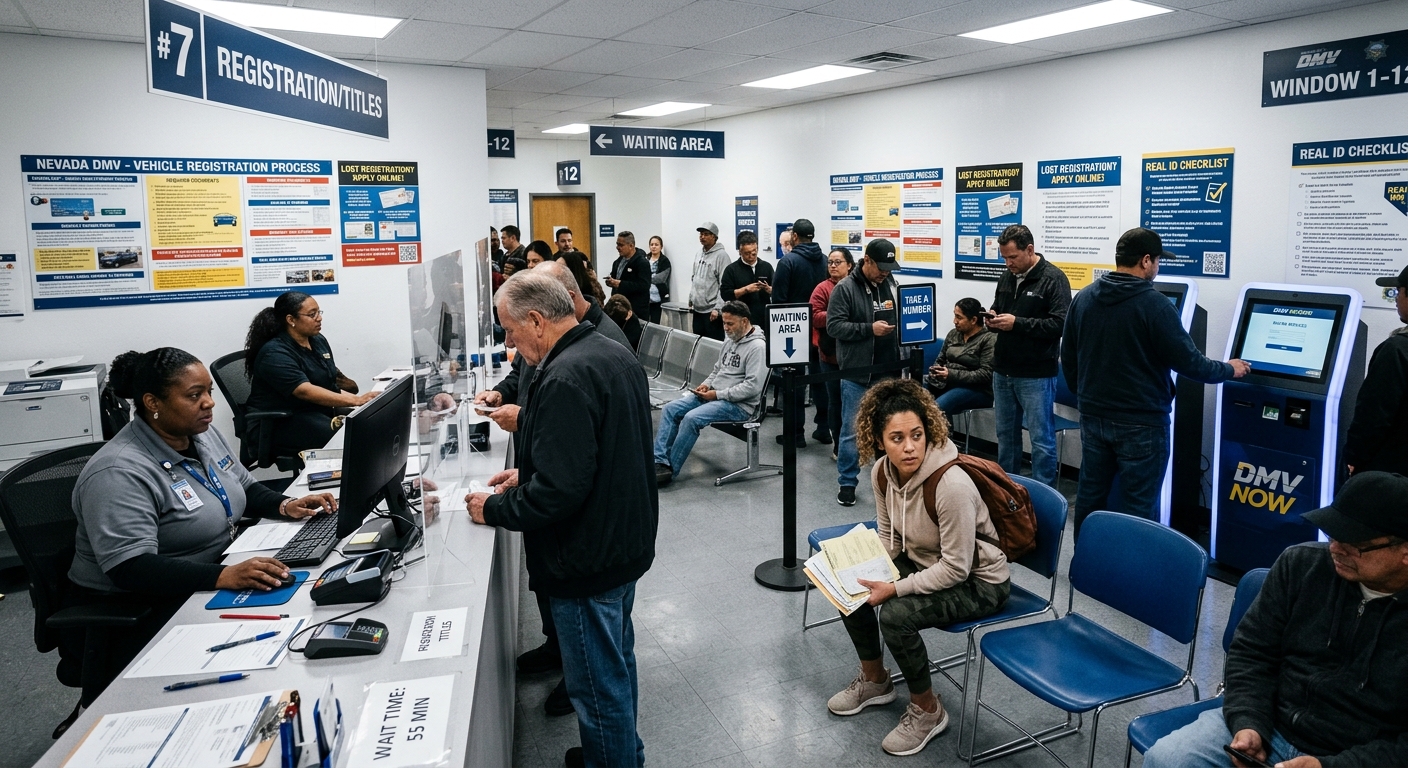
When a vehicle registration is lost or stolen, vehicle owners can typically obtain a replacement through their local Department of Motor Vehicles (DMV). The process involves verifying ownership and identity, often requiring documentation like ID and proof of current vehicle insurance. Many DMVs offer online applications that facilitate quick replacement, with varying fees and processing times based on jurisdiction.
Identity Verification and Security
To retrieve registration documents, identity verification is vital to prevent fraud. DMVs accept various identification forms, and modern technologies enhance security during the verification process. This includes digital signatures and online verification systems to streamline the issuance of replacement registrations while safeguarding personal information.
Technological Advancements in Retrieval
Technological innovations have enhanced the efficiency of vehicle registration retrieval. Online platforms allow owners to manage registrations remotely, decreasing wait times associated with traditional DMV visits. Mobile apps and kiosks further simplify access to vehicle registration services, signifying a move towards a more customer-centric approach in public service delivery.
Variability in Registration Procedures
Vehicle registration retrieval procedures differ significantly by jurisdiction, affecting how and where vehicle owners can obtain replacements. In the U.S., specific documentation requirements and submission methods vary by state, with some allowing online applications while others necessitate in-person visits. Internationally, countries like the UK and Australia have their own systems for replacing vehicle registration documents, highlighting the need for vehicle owners to be informed about local regulations.
Consequences of Operating Without Registration
Driving without valid registration can lead to penalties, including fines and vehicle impoundment. Law enforcement often enforces strict compliance with registration laws, which can result in immediate legal ramifications for unregistered vehicles. Understanding these risks helps underscore the importance of maintaining valid registration at all times.
Preventive Best Practices
To prevent the loss of vehicle registration documents, store them in a secure, consistent location. Keeping digital copies can facilitate quick access for replacement when needed. Regular checks on expiration dates and updates are essential, empowering vehicle owners to act promptly to remain compliant with legal requirements.
Related Documentation and Services
Vehicle registration is linked to other critical documents, such as the car title, which must be accurately maintained for legal transactions. Online services can assist in managing these records, while reporting any lost or stolen documents to authorities helps prevent misuse of personal information. By staying informed and organized, vehicle owners can navigate registration complexities more effectively.
The content is provided by Sierra Knightley, Front Signals