
Summary
Propane delivery is becoming a preferred choice over traditional fuels like gasoline and diesel due to its efficiency, environmental advantages, and effectiveness across various sectors. As a clean-burning gas, propane offers lower carbon emissions, higher combustion efficiency, and customizable delivery services, catering especially to rural and off-grid areas. While its rapid evaporation reduces contamination risks, there are challenges including regulatory complexities, price volatility, and limited access in remote areas that may impede decision-making.
Overview of Propane Delivery
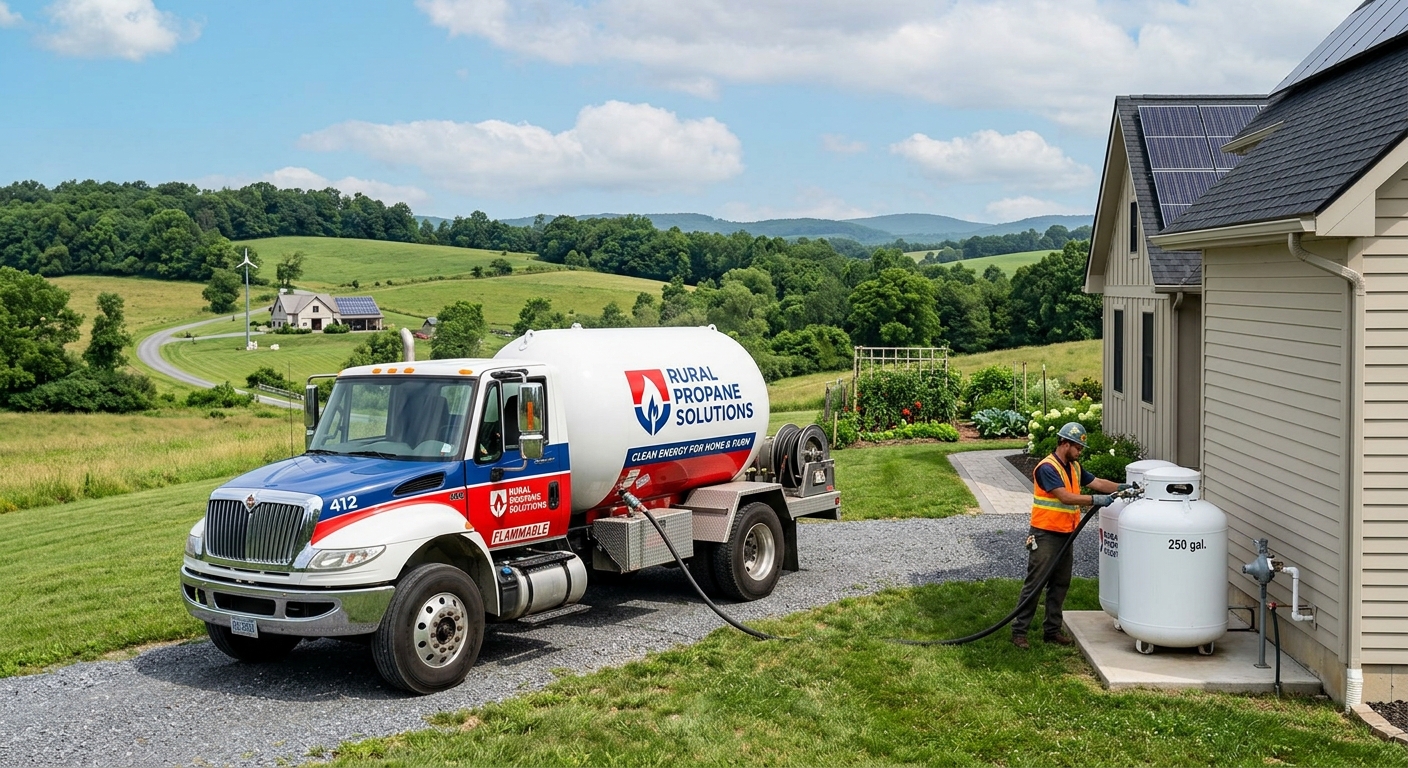
Propane serves an essential role in home heating, cooking, and industrial applications, highlighting its versatility within the U.S. energy mix. Delivery services provide convenience by managing refill schedules, thereby ensuring consistent supply without consumer oversight. Understanding the factors affecting delivery costs—such as labor, vehicle operation, and compliance—can help potential users forecast fuel expenses and make informed decisions regarding propane as a viable energy solution.
Comparison with Traditional Fuels
When assessing alternatives like gasoline and diesel, propane stands out with its significantly lower emissions—12.61 pounds of CO2 per gallon compared to gasoline’s 19.59. Propane’s efficiency and cleaner burning qualities make it an attractive option for heating and transportation. Although electricity is often considered clean, the emissions from power generation can negate its benefits, positioning propane as a more environmentally sound choice with future possibilities tied to renewable propane options.
Benefits of Propane Delivery
Choosing propane delivery incorporates substantial environmental and operational benefits. Its cleaner combustion improves air quality and contributes to a healthier living environment, while modern delivery logistics enhance convenience and operational efficiency. Automatic delivery systems, for example, leverage consumption data for timely refills, addressing common concerns about supply while adhering to stringent safety regulations, which mitigate risks associated with flammable gases.
Challenges and Limitations
Key challenges in propane delivery include regulatory complexities and safety compliance, particularly regarding storage and transport. These regulations can affect infrastructure and availability in specific areas, potentially limiting access. Additionally, price volatility related to seasonal demand and the environmental impact of methane emissions during extraction may complicate consumer decisions if not properly assessed. Regular maintenance and inspections further contribute to operational considerations that may deter some users.
Use Cases and Applications
Propane’s flexibility makes it suitable for diverse applications, including residential heating, agricultural operations, and commercial use. In homes, it is favored for heating and cooking, especially in regions without natural gas access, thereby contributing to reduced greenhouse gas emissions compared to heating oil. In agriculture, propane enhances operational efficiency, while industrial applications capitalize on its effectiveness in energy production and process fuel. The adoption of propane as a vehicle fuel is also growing, benefiting from existing infrastructure and potential cost savings through fleet management efficiencies.
Market Trends and Future Outlook
The propane market is experiencing growth, driven by rising demand across various sectors. Recent increases in U.S. production support expanding industrial and transportation needs while regulatory incentives encourage the adoption of propane-powered fleets due to their lower emission profiles. Innovations in delivery technology enhance logistics and customer interaction, facilitating cost savings and improved service. Nonetheless, compliance with regulatory standards remains crucial, influencing consumer costs and the industry’s ability to safely manage propane delivery logistics.
The content is provided by Avery Redwood, Front Signals