
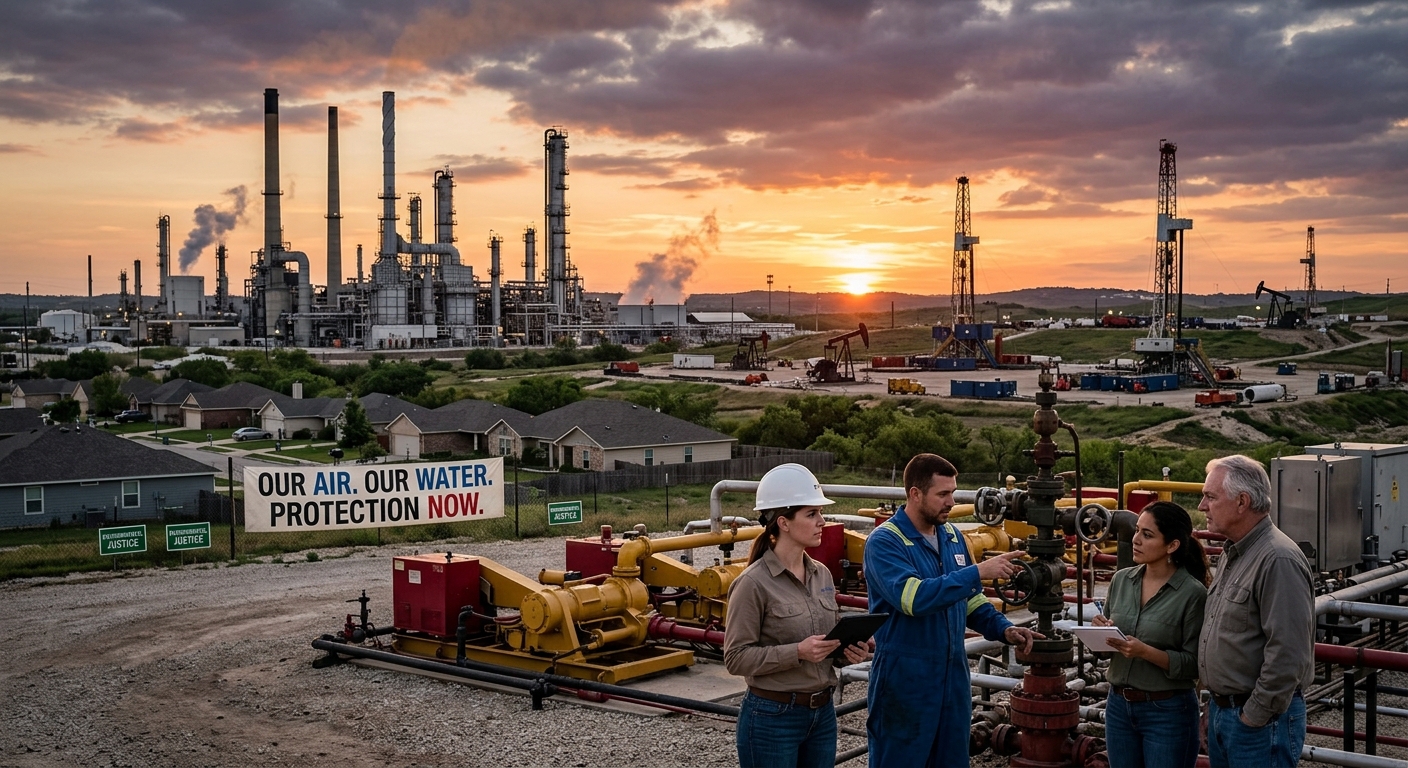
Summary of US Crude Oil Export Transformation
In the last decade, the U.S. has transitioned from a nation with stringent crude oil export controls to the leading global exporter. A pivotal change occurred in 2015 with the repeal of the 40-year-old crude oil export ban, allowing for unprecedented access to international markets, driven by technological advancements such as hydraulic fracturing and horizontal drilling. Investments in infrastructure further facilitated this transformation, enabling a rapid increase in production from under 500,000 barrels per day in 2015 to nearly three million barrels by 2019.
This shift has led to notable economic benefits, including job creation and increased competitiveness for energy-dependent industries. However, it has also sparked controversies over environmental and social implications, particularly concerning hydraulic fracturing and regulatory changes that have raised concerns about public health and ecological safety. The ongoing challenge is finding a balance between sustaining growth in oil production and ensuring environmental protection amidst evolving climate commitments.
Key Historical Developments
The U.S. oil industry’s roots date back to the 19th century, with commercial production beginning in the mid-1800s. Major milestones included the discovery of the Spindletop oil field in 1901 and significant geopolitical events, such as the 1973 OPEC oil embargo, which prompted the establishment of export restrictions to safeguard domestic supply. This historical context highlights the interplay of domestic developments and international influences that shaped the U.S. role in global oil markets.
Technological Advances and Infrastructure Growth
Technological innovations in drilling, particularly hydraulic fracturing and horizontal drilling, have been crucial to increasing U.S. oil production. These methods allow access to previously unreachable shale reserves, becoming the dominant strategy for new oil development since 2011. Alongside technological growth, expansive infrastructure investments, including pipelines and refineries, have improved transport efficiency, enabling substantial domestic production and export capacity.
Policy Reforms and Regulatory Shifts
The repeal of the crude oil export ban in 2015 marked a significant regulatory shift, driven by increased domestic production and political support for more flexible export policies. This change catalyzed a drastic rise in U.S. crude oil exports and has been followed by further deregulation efforts in 2025, which aimed to stimulate growth but also raised concerns about public health and environmental regulations. The balancing act between fostering industry growth and maintaining regulatory oversight is a continuing theme in energy policy discussions.
Production and Export Growth Since 2015
Post-2015, the U.S. witnessed significant increases in crude oil production and exports, facilitated by the application of advanced drilling techniques and robust infrastructure enhancements. While fluctuations in global oil prices affected market dynamics, the U.S. maintained a competitive edge, aided by lower energy costs for domestic industries and resilient export volumes. This position has solidified the U.S. as a key player in global energy markets.
Economic Consequences
The economic impacts of the U.S. crude oil export boom have been mixed. While the overall GDP experienced modest growth linked to increased exports, benefits varied greatly across sectors and regions, with oil-producing states encountering both growth opportunities and job market shifts. The repeal of export restrictions has allowed states to enhance tax revenues, although challenges remain, such as reduced demand for domestic shipping due to shifting trade patterns.
Geopolitical Shifts
The U.S.’s transition to a leading crude oil exporter has reshaped its foreign policy by reducing dependence on foreign oil, especially from politically unstable regions. This shift has allowed for a more favorable trade balance and diminished the influence of oil-exporting nations over U.S. interests. However, the geopolitical landscape remains complex, with ongoing fluctuations in oil prices influenced by global events and stability in oil-producing regions.
Environmental and Social Impacts
While the growth in oil production has driven economic development, it has raised significant environmental concerns, including air and water quality issues related to hydraulic fracturing. Regulatory oversight of these concerns has often been fragmented, leading to ongoing debates between the need for economic growth and environmental protection. Socially, the energy boom has resulted in diverse impacts, benefiting some regions while introducing challenges for vulnerable populations and communities.
Future Outlook
The future of U.S. crude oil production is poised to leverage ongoing technological innovations and infrastructure improvements, aimed at enhancing market access. Although some refinery capacities have contracted, strategic investments are being made to address processing limitations. However, policymakers and industry stakeholders face the dual challenge of navigating economic recovery while adhering to environmental commitments, particularly as global energy demands shift towards sustainability.
The content is provided by Harper Eastwood, Front Signals