
“`html
Summary
Consider Propane Delivery for Your Energy Needs
Propane delivery provides an efficient and eco-friendly fuel option, particularly for those in off-grid or rural areas with limited energy infrastructure. Its high energy density and clean-burning nature allow it to power a range of appliances reliably. Professional delivery services enhance safety and convenience by managing fuel supplies and reducing the risk of interruptions or accidents, making propane a practical choice for heating and cooking.
Overview of Propane as a Fuel
Propane serves as a reliable primary or backup energy source for various appliances, especially in areas lacking natural gas availability. Its high energy efficiency and lower carbon emissions compared to many fossil fuels make propane an environmentally favorable option. Additionally, with renewable propane emerging, users can further decrease their carbon footprints, establishing propane as a versatile fuel for various applications.
Benefits of Propane Delivery
Propane delivery enhances convenience and safety for both residential and commercial users, particularly in areas with limited access to conventional energy sources. Professional services ensure a reliable supply, minimizing the risk of disruptions. The environmental advantages of propane, including fewer emissions and non-toxicity, reinforce its status as a cleaner energy alternative while also offering economic benefits through efficient use during outages.
Comparison with Other Fuel Types
Propane distinguishes itself by offering higher energy density and lower emissions compared to natural gas and other fossil fuels. While natural gas may be cheaper, propane’s efficiency can counterbalance price differences, making it effective for various applications. Its clean combustion reduces air pollutants significantly while requiring less maintenance than alternatives like heating oil.
Propane Delivery Logistics and Infrastructure
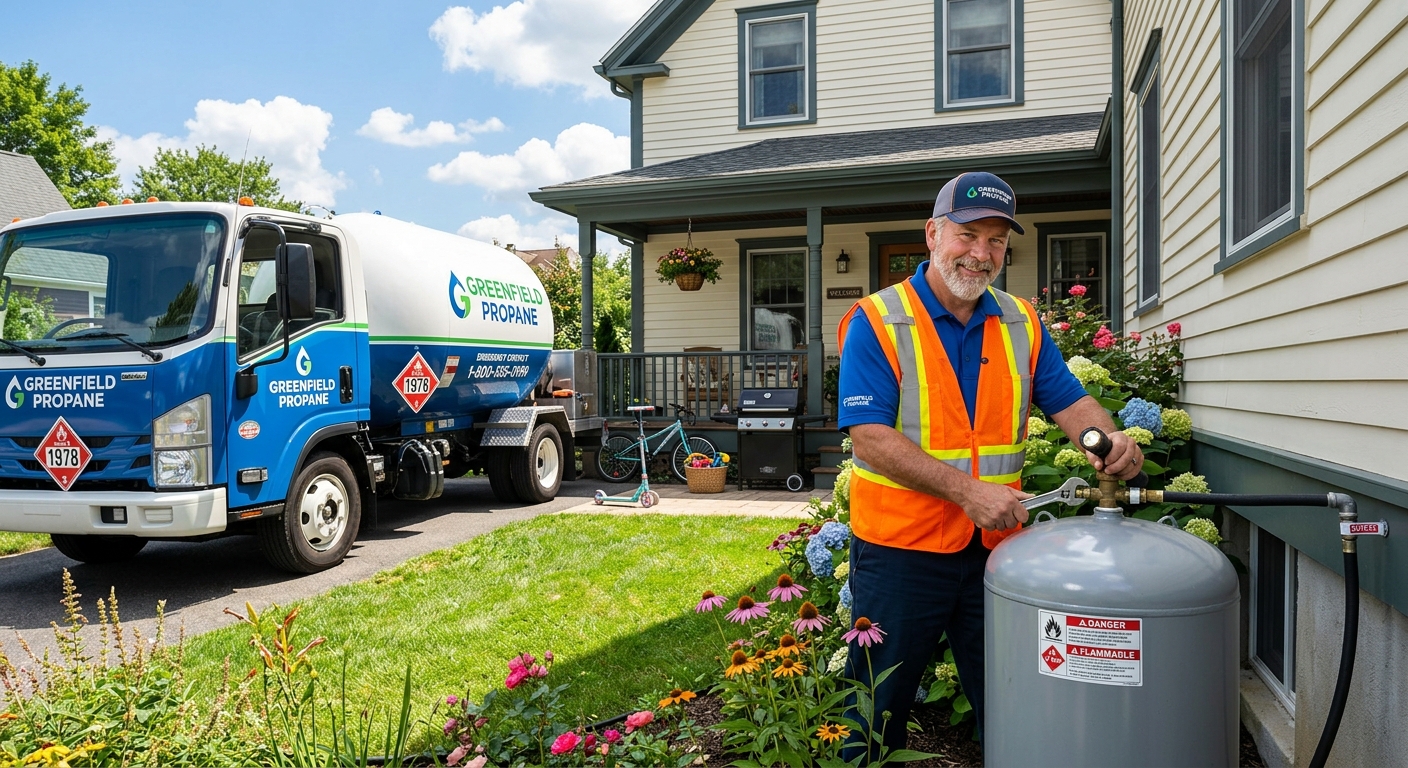
Propane delivery systems cater to diverse consumers ranging from individual households to large industrial users. Delivery methods include both central tanks supplying networks of homes and cylinder truck deliveries for smaller users. Safety regulations govern storage and transport, ensuring compliance with industry standards to minimize environmental risks and accidents during delivery.
Environmental Considerations
As a cleaner-burning fuel, propane contributes to lower CO2 emissions compared to many traditional energy sources. Its combustion results in fewer harmful pollutants, aligning with regulatory initiatives for cleaner air and environmental health. Renewable propane options further enhance environmental benefits, promoting a sustainable energy transition.
Safety Aspects of Propane Delivery and Usage
Safety protocols in propane delivery are essential for protecting consumers and the public. Qualified professionals manage fuel supply, adhering to strict storage and transportation regulations to prevent accidents. Understanding safety measures is crucial in ensuring proper handling and emergency response during potential leaks.
Propane Storage and Transport Safety
Storage safety is vital for preventing accidents, with regulations often dictating underground storage methods. Regulations govern transport to minimize hazards, ensuring delivery trucks meet rigorous safety standards through regular inspections. Drivers undergo training in hazard management, contributing to a safer delivery process.
Leak Detection and Prevention
To mitigate leak risks, propane is treated with mercaptan, providing a detectable odor that signals potential leaks. Regular leak checks are mandatory prior to service activation to assure system integrity, while ongoing delivery scheduling helps manage fuel levels and minimize hazards.
Appliance and Equipment Safety
Safety devices in propane systems are fundamental to preventing issues, with automatic shut-off controls and proper maintenance recommended for appliances. Regular checks and qualified technicians are vital for managing equipment safely and effectively.
Regulatory Framework and Professional Standards
Regulatory compliance and industry standards govern propane safety, including training for service personnel. Inspections and licensing ensure adherence to protocols designed to protect consumers and the environment from potential risks.
Consumer Considerations in Choosing Propane Delivery
Evaluating propane delivery involves assessing service flexibility, safety protocols, and cost-effectiveness. Advanced delivery options, such as automated tracking, offer convenience, particularly for those requiring consistent fuel supplies. Understanding regional costs and safety regulations assists consumers in making informed decisions that align with their energy needs.
Industry Trends and Future Outlook
The propane industry is evolving with increasing demand for cleaner energy sources. Renewable propane is gaining traction, promoting a transition toward reduced fossil fuel reliance. Regulatory developments and market dynamics will continue to influence propane’s competitiveness, necessitating adaptation by consumers and businesses alike to meet energy needs sustainably.
“`
The content is provided by Jordan Fields, Front Signals