
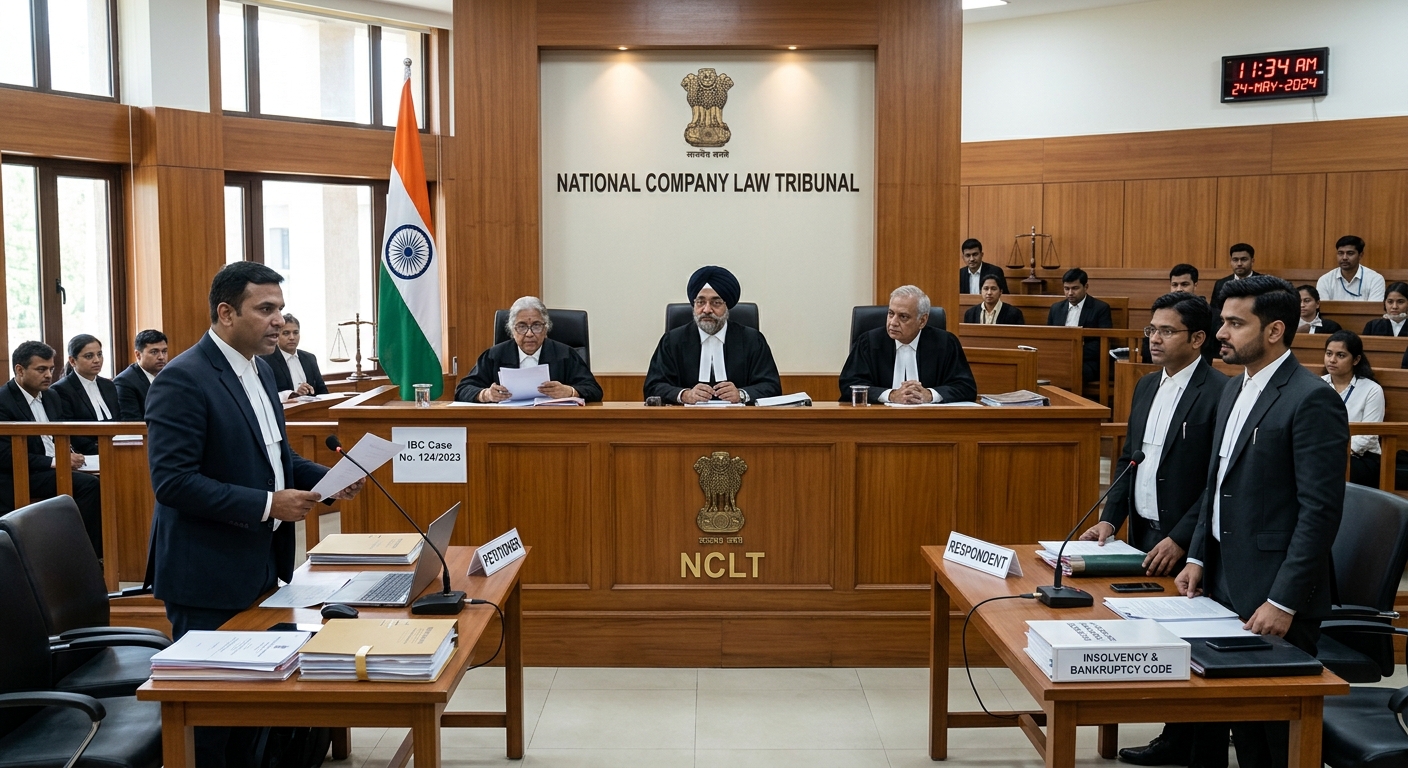
Summary of the IBC’s Impact
The Insolvency and Bankruptcy Code (IBC) enacted in 2016 has significantly refined the corporate insolvency landscape in India by creating a streamlined, creditor-focused process. The Corporate Insolvency Resolution Process (CIRP) mandates a resolution period of 330 days, which has improved creditor recoveries and facilitated better management of distressed assets. While the IBC has strengthened India’s credit ecosystem through clear structures and involvement of insolvency professionals, challenges such as procedural delays and the complexities of handling group insolvencies still persist.
IBCs Origins and Objectives
Prior to the IBC, India’s laws surrounding insolvency were varied and inefficient, hindering timely resolution of financial distress. The IBC consolidates these laws into a single framework aimed at providing a clear, predictable resolution process that enhances asset value and maximizes recovery for creditors. The establishment of specialized adjudicating bodies like NCLT has been crucial in overseeing these streamlined processes, but average resolution times remain well above intended limits, necessitating ongoing legislative reform.
Key Features of the IBC
The IBC introduces notable features such as a time-bound CIRP, enhanced creditor rights, and the role of licensed insolvency professionals who manage the resolution process. The Code also empowers the Committee of Creditors (CoC) to make binding decisions, fostering collective action among stakeholders which is crucial for maximizing asset value. These innovations are intended to not only expedite resolutions but also ensure fair and transparent practices within the insolvency framework.
Enhancements to Recovery and Credit Markets
Since its introduction, the IBC has increased recovery rates for creditors significantly, with efficient resolutions recovering over 170% of former liquidation values. The dominance of the CIRP in resolving crises has also contributed to reduced non-performing assets within India’s banking sector, improving overall financial stability. Increased lender confidence has translated into enhanced credit flows to businesses, fostering a robust economic environment despite the ongoing challenges faced by the process.
Legal and Regulatory Developments
Significant legal and regulatory developments have arisen from the IBC’s implementation, including the establishment of specialized tribunals and ongoing amendments to refine insolvency processes. These amendments aim to address practical inefficiencies while enhancing the IBC’s structures to accommodate group and cross-border insolvency cases. Additionally, the emergence of pre-packaged processes has been tailored for MSMEs, indicating an evolution towards quicker, less disruptive resolutions.
Challenges Within the IBC Framework
Despite the IBC’s success, procedural inefficiencies and challenges regarding the moratorium phase have emerged. Issues such as documentation failings and judicial interpretations can compromise the integrity of the resolution process. There are also concerns about the functionality of the CoC and the judicial infrastructure’s ability to manage the high volume of cases, leading to delays and uncertainties in the resolution framework.
Future Directions and Reforms
The IBC is set to undergo comprehensive reforms, focusing on expediting resolution times and enhancing procedural clarity. Proposed amendments include introducing creditor-led processes to streamline insolvency initiation and refining the liquidation framework to ensure clearer roles for professionals. Ongoing discussions around pre-packaged insolvency models aim to provide more flexible options for stakeholders, signaling a commitment to adaptability in the evolving insolvency landscape.
The content is provided by Harper Eastwood, Front Signals