Summary
Your Guide to Choosing the Ideal Backup Generator focuses on the essential aspects of backup generators necessary for maintaining power during outages. It addresses various generator types, fuel options, and integration strategies, helping you choose a system that meets specific power needs while considering safety, environmental impact, and operational efficiency. This guide is pivotal for making informed decisions regarding backup power solutions in different settings, including residential and commercial environments.
Importance of Backup Generators
Backup generators are crucial for ensuring uninterrupted operations during power outages, particularly for critical facilities like hospitals and data centers. They protect sensitive equipment from damage and maintain safety during emergencies, aligning with regulatory compliance requirements. Selecting the right generator necessitates evaluating power capacity, fuel types, and potential environmental impacts, enabling you to secure reliable operation during outages.
Types of Backup Generators
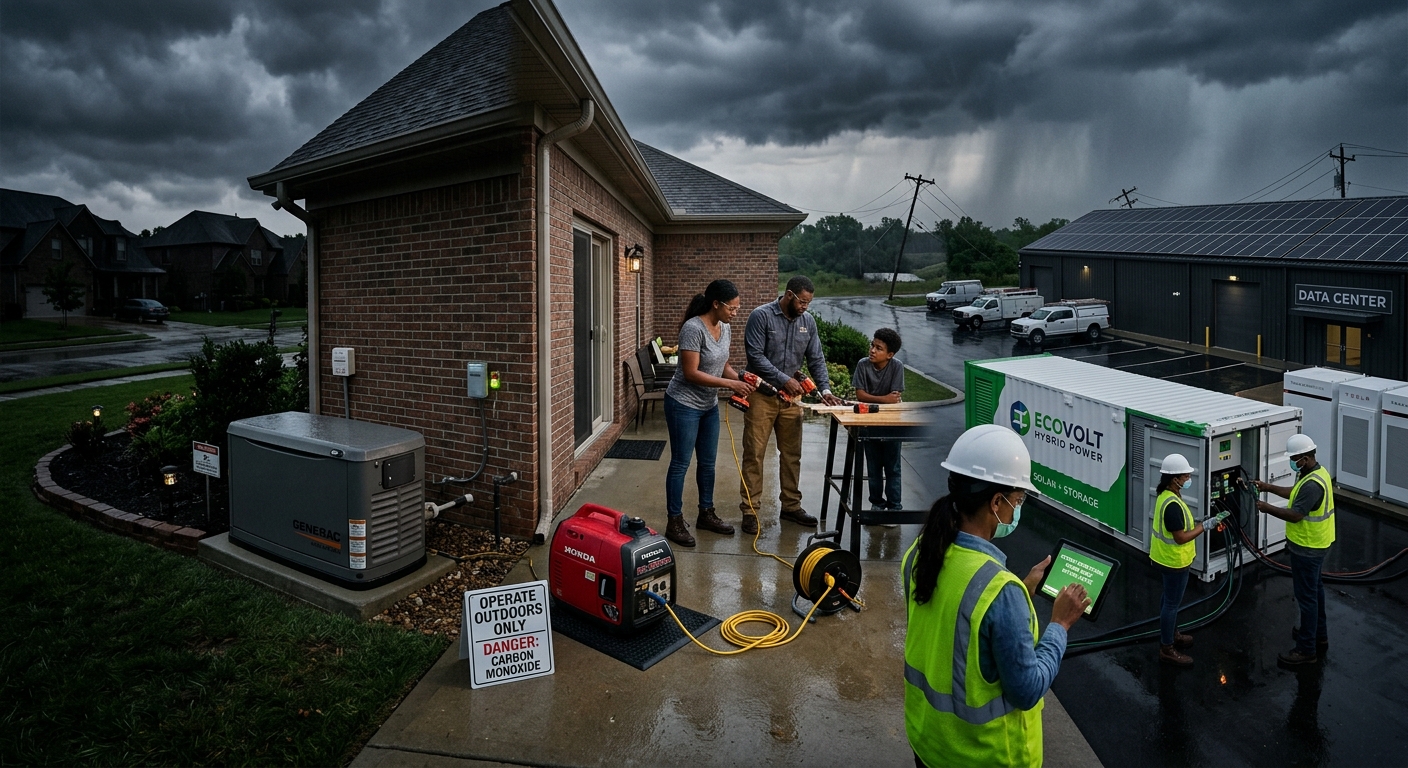
There are different types of backup generators tailored to varying power requirements. Standby generators provide automatic, whole-building coverage during outages, ideal for applications needing consistent power. Portable generators offer flexibility for temporary power needs but require manual setup. Hybrid systems, integrating renewables with traditional generators, reflect emerging technology trends focusing on efficiency and sustainability, though they can have unique challenges.
Standby Generators
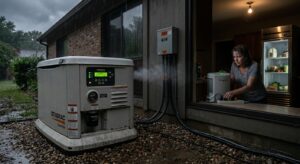
Standby generators are permanently installed and operate automatically when utility power fails. They typically utilize natural gas or propane, powering entire buildings and critical systems quickly. Due to their complexity, they require professional installation but offer reliable power without user intervention.
Portable Generators
Portable generators are compact and ideal for uses like recreational activities and temporary power needs. They generally range from 1 kW to 10 kW, but their manual setup and reliance on gasoline or diesel fuel can be limiting. Inverter generators represent a cleaner option, offering quieter operation and stability for sensitive electronics.
Hybrid Generators
Hybrid generators merge traditional power with renewable energy solutions and battery storage. They optimize power consumption while minimizing environmental impact, appealing to those who prioritize sustainable energy sources. However, they can involve higher costs and operational complexities.
Choosing the Right Generator
Your choice of backup generator should be based on specific power needs, budget, and desired automation levels. Standby generators cater to comprehensive power needs, while portable options provide versatility for temporary use. Hybrid models are excellent for users focused on sustainability and future-ready solutions, ensuring you are equipped for any power interruption scenario.
Factors to Consider When Choosing a Backup Generator
Selecting the right backup generator involves evaluating power capacity, load requirements, fuel type, and environmental impacts. It’s essential to calculate total power needs and consider the generator’s ability to handle surges during startup. Various fuel types can impact performance and maintenance requirements, making informed choices based on these criteria vital for reliability.
Maintenance and Safety
Ensuring proper installation and maintenance is vital for a dependable backup generator. Regular maintenance, fueled by comprehensive records and professional servicing, supports optimal functionality. Safety precautions include proper ventilation to prevent CO poisoning and adherence to fire safety protocols, while automatic transfer switches enhance safety during transitions between power sources.
Applications and Use Cases
Backup generators serve multiple applications, from residential to critical facilities, ensuring power continuity. The choice between portable and standby units typically hinges on specific power needs and usage scenarios. As demand for quieter and more efficient solutions grows, options like solar generators are gaining traction, catering to the need for sustainable power during outages.
Brand Considerations
Evaluating brands and models is crucial in selecting a reliable backup generator. Recognized brands, such as Generac, offer various options aligned with consumer needs across different contexts. It’s beneficial to consider factors like power capacity and installation complexity to find a dependable generator tailored to specific requirements.
Future Trends
The backup generator landscape is evolving with advancements like hybrid systems that combine renewables and traditional power sources. Innovations such as vehicle-to-grid technology and solar compatibility reflect trends towards sustainability and efficiency in power solutions. Keeping an eye on emerging technologies can guide future investments in backup power systems that meet evolving energy needs.
The content is provided by Avery Redwood, Front Signals