Summary
The Himsagar mango, a premium variety from West Bengal’s Malda district, takes center stage for its quality and potential in international markets. Due to various initiatives for enhancing export-oriented cultivation practices, shipments of these mangoes are anticipated to increase significantly, from around 15 metric tonnes last year to an impressive 300-500 metric tonnes this season. However, the emergence of dark spots, primarily caused by bacterial black spot (BBS), jeopardizes these exports, as affected mangoes are often rejected by international buyers. This disease’s spread, linked to specific climatic conditions, raises concerns over achieving export targets, especially with the impending shipment of Himsagar mangoes to the United States.
Challenges from Dark Spots
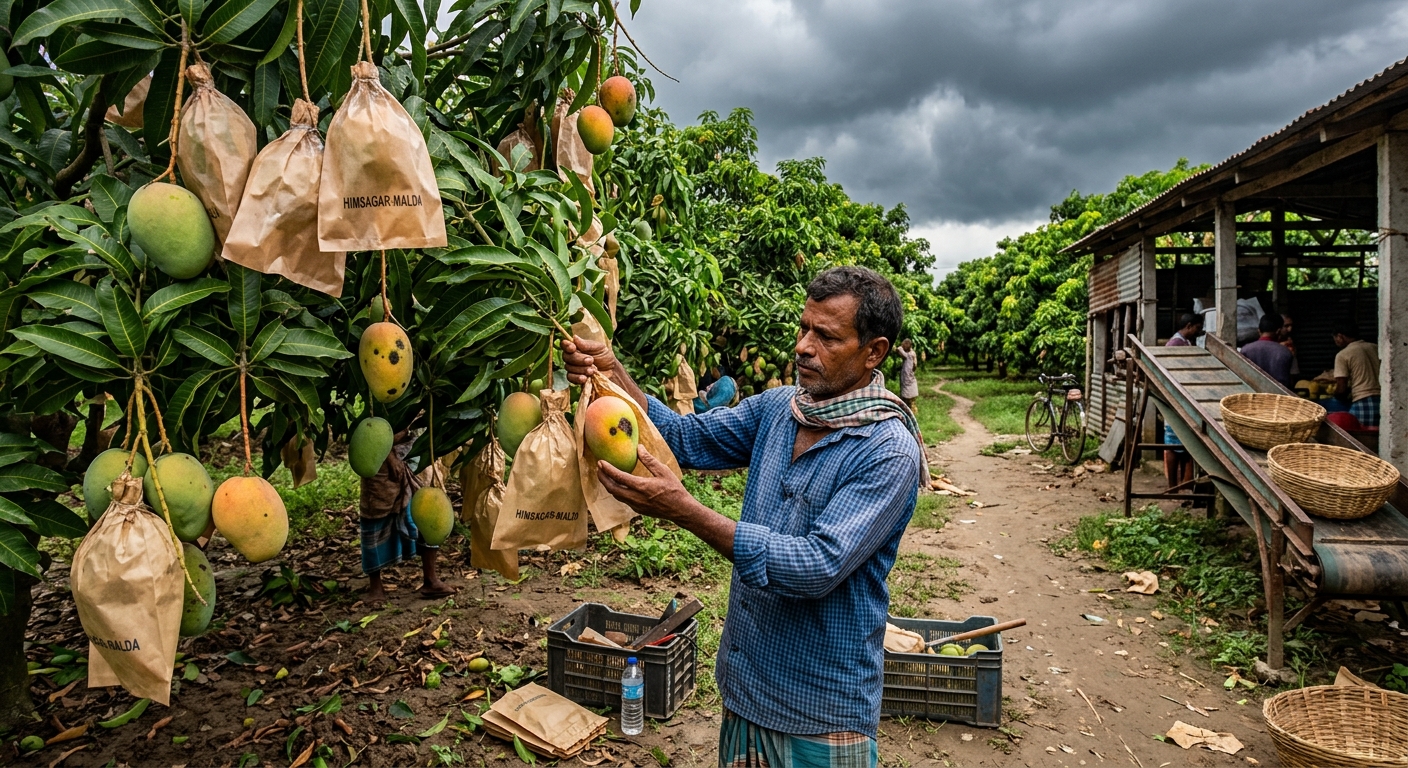
The dark spots appearing on Himsagar mangoes present a severe challenge for exporters, adversely affecting their visual appeal and overall quality. These spots, caused by the bacterium Xanthomonas citri, thrive under conditions of continuous rainfall followed by high temperatures, leading to significant fruit damage. Approximately 15% of bagged fruits have been reported affected, raising concerns about the impact on yield and export viability, particularly amidst strict international quality standards.
Market Implications
Amid efforts to boost mango exports from West Bengal, structural barriers such as high duty rates and inefficient infrastructure further complicate the situation. Although there is strong demand for Himsagar mangoes in neighboring markets like Bangladesh, the overall share of Indian mangoes in the global export market remains limited, accounting for just 1%. Stakeholders continue promoting good agricultural practices and monitoring orchards to mitigate quality issues while striving for increased market presence.
Management and Prevention Strategies
Addressing the challenge of bacterial black spot involves a combination of detection, prevention, and management initiatives. Early detection through visual inspections and advanced molecular techniques can help identify infections before they spread. Prevention focuses on using disease-free planting materials, minimizing mechanical injuries, and implementing cultural practices like fruit bagging to protect mangoes. However, the reliance on chemical fungicides raises environmental concerns, prompting exploration of biological alternatives. Ongoing monitoring and adaptive management strategies are essential to sustain production and ensure compliance with export standards.
Future Outlook
The outlook for Himsagar mango exports hinges on addressing the ongoing challenges posed by dark spots and bacterial infections. With a robust demand for this premium variety, proactive measures and enhanced monitoring protocols are necessary for ensuring the quality and quantity of exports. As stakeholders adapt to the complex dynamics of mango cultivation and market demands, focused research on disease management and cultivation practices will support the industry’s sustainability and growth.
The content is provided by Harper Eastwood, Front Signals