
Legal Decision Overview
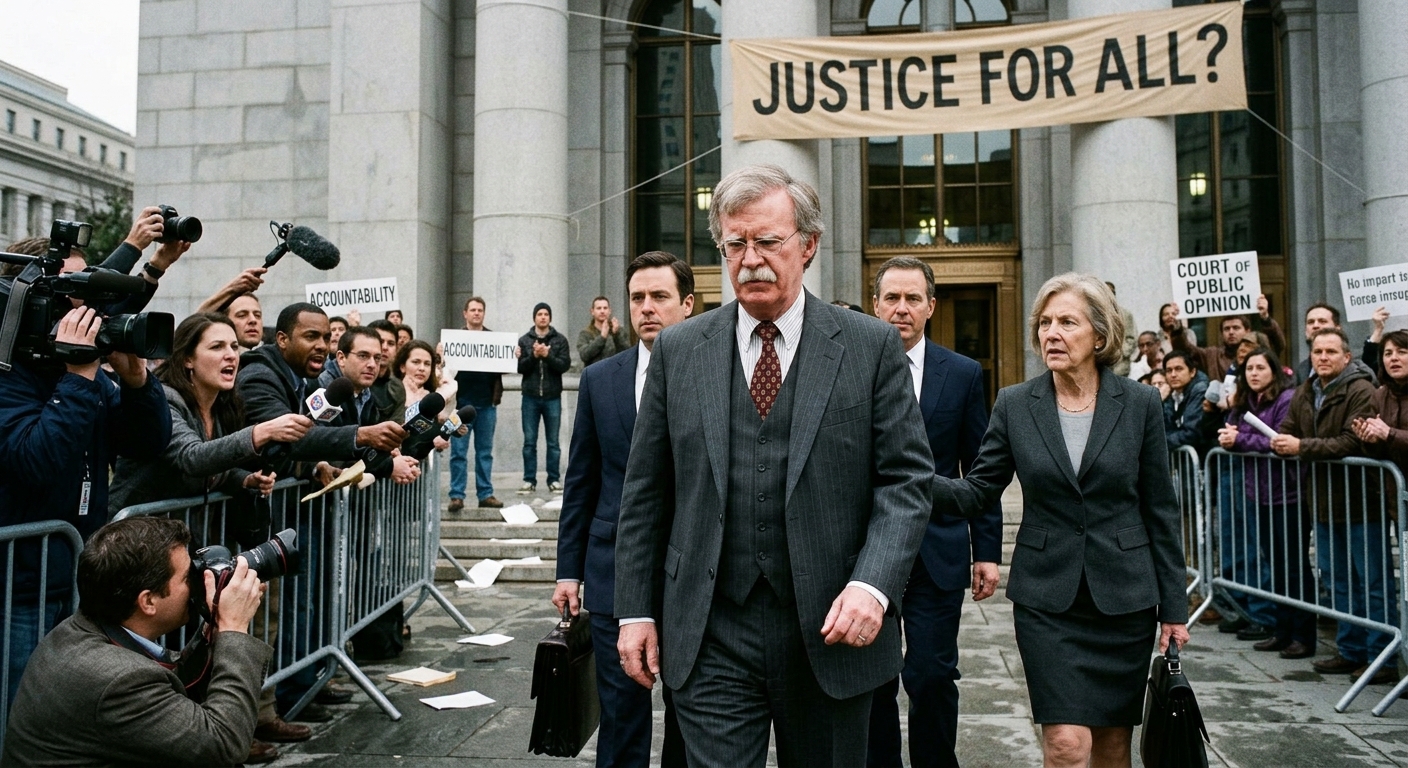
John Bolton, former National Security Advisor, is nearing a guilty plea regarding the unlawful retention of classified national defense information. The charges stem from his handling of sensitive materials, including diary entries marked as top secret, which were seized during FBI searches of his home and office. Facing a multimillion-dollar fine, Bolton’s plea agreement suggests a sentencing range without prison time, reflecting a less severe outcome compared to other cases involving government officials and classified information mishandling.
Key Allegations
The investigation, ignited by the 2020 release of Bolton’s memoir, The Room Where It Happened, revealed that Bolton allegedly retained sensitive documents and shared classified information improperly through personal communication channels. Critical to the case is the claim that Bolton communicated classified details to family members and kept documents beyond authorized timelines. This raises questions about the integrity of handling classified information among high-ranking officials and the political implications driving the legal proceedings.
Public and Legal Implications
Public discourse surrounding Bolton’s case highlights perceived inconsistencies in how national security laws are enforced, particularly regarding high-profile figures. Critics argue that the prosecution reflects a double standard, where non-compliance by senior officials is treated differently than violations by lower-ranking individuals. The scrutiny extends to broader concerns about the transparency of legal processes and the potential influence of political motivations in national security cases, making this a pivotal moment for legal accountability in executive roles.
Insights on National Security Law
Access to classified information is tightly regulated, requiring individuals to demonstrate eligibility and a legitimate need for access. The classification framework, supported by executive orders, emphasizes protecting national security while balancing public transparency. Bolton’s situation exemplifies the challenges faced by former officials who retain access to sensitive information under strict conditions, underscoring ongoing debates about the effective management of classified materials in governmental contexts.
Contextual Considerations
The case is part of a pattern involving legal actions against former Trump administration figures accused of mishandling classified information, raising questions about the motivations behind these prosecutions. The use of the Espionage Act in such cases has prompted discussions about its implications for future legal processes involving high-ranking officials. As Bolton’s situation evolves, it may influence how similar cases are approached in terms of legal standards and enforcement practices within the realm of national security.
The content is provided by Blake Sterling, Front Signals