Summary
Unleash Your Grilling Passion with These Irresistible Outdoor Grill Station Ideas explores the art and culture of outdoor cooking by presenting comprehensive guidance on designing and enhancing backyard grill stations. Grilling has evolved from ancient fire-based cooking methods to sophisticated outdoor kitchens that combine functionality, style, and social engagement. This article highlights the historical development of grilling, various types of grill stations, regional and cultural influences, and practical design considerations to help enthusiasts create personalized and efficient outdoor cooking spaces.
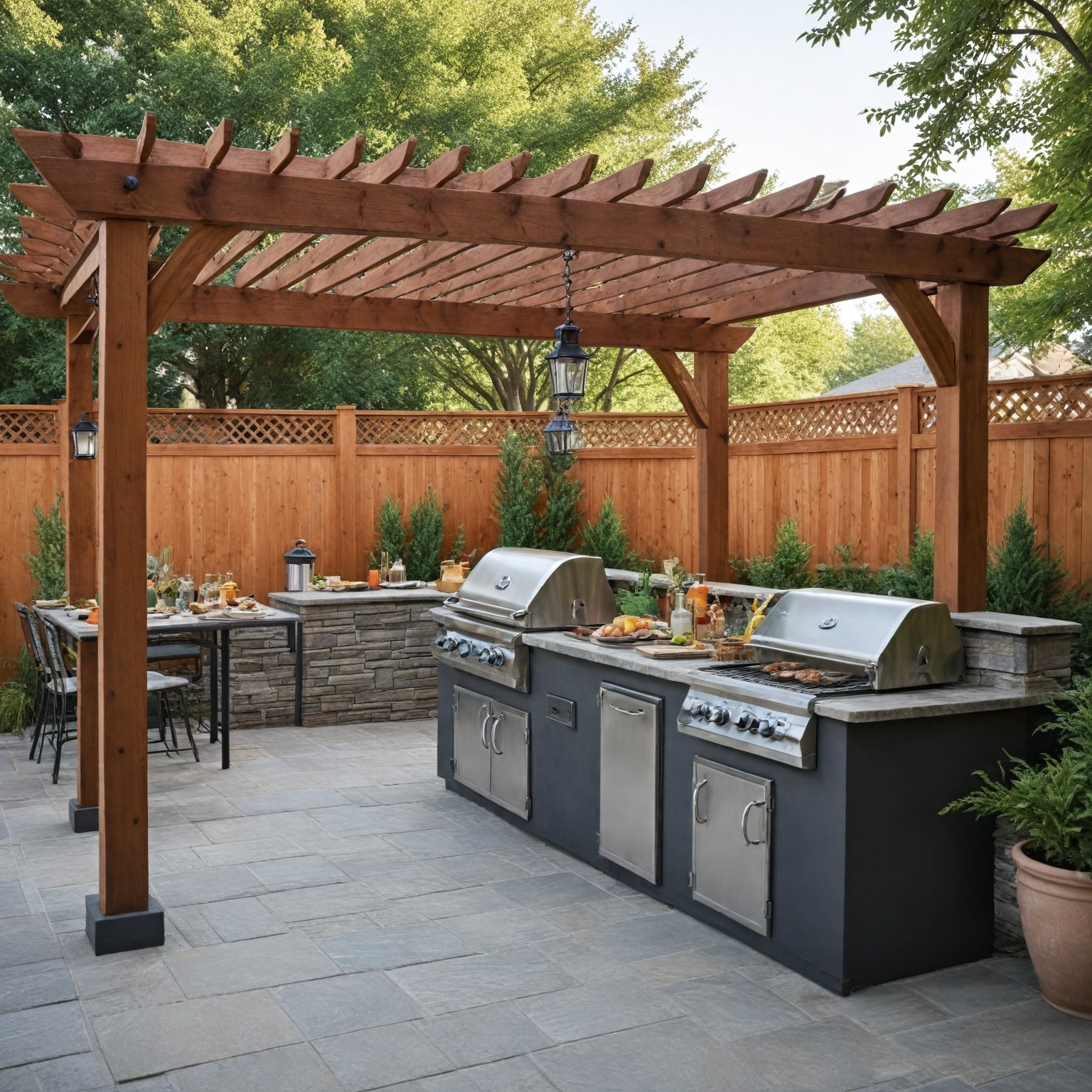
The page details different grill station styles, including modular, ready-to-finish, and custom-built options, each catering to varying budgets, durability needs, and aesthetic preferences. It discusses essential components such as gas grills, wood-fired units, smokers, and complementary features like countertops, storage solutions, and seating areas. Emphasis is placed on material selection, layout optimization, and integrating elements such as pergolas to improve comfort and ambience.
Cultural and social significance also plays a central role, as grilling traditions reflect diverse historical origins and regional adaptations. The article examines how design choices are influenced by cultural symbolism, climate, and lifestyle, enabling outdoor kitchens to serve as meaningful spaces for family gatherings and community celebrations. This intersection of culinary heritage and modern innovation underscores the enduring popularity and evolving nature of outdoor grilling.
By offering a thorough overview of practical tips, design trends, and cultural contexts, Unleash Your Grilling Passion with These Irresistible Outdoor Grill Station Ideas serves as an invaluable resource for both novice and experienced grill masters seeking to elevate their backyard cooking experience.
Historical Development
The origins of grilling and outdoor cooking trace back thousands of years, revealing humanity’s enduring desire to perfect the art of preparing meat over fire. Archaeological evidence shows that early humans engaged in grilling methods such as roasting, smoking, and searing to achieve tender and flavorful results. Even in medieval England, specialized breeds of dogs were developed to operate a hamster wheel mechanism that turned a spit, demonstrating early mechanical innovation in cooking techniques. The concept of grilling evolved significantly with technological advancements. During the Bronze Age, grilling remained a novelty, but the discovery and control of fire marked a pivotal moment in human culinary history, influencing brain development and social practices around food preparation. The modern era of grilling began to take shape in the 20th century. In the 1940s, the Chicago Combustion Corporation introduced the first gas grills designed exclusively for restaurant use. These grills used gas as a fuel source, allowing for faster heating and cooling times, and replaced charcoal with lava rocks to improve heat distribution.
The transition of grilling from a commercial setting to the American backyard occurred in the early 1950s when Don McGlaughlin, owner of the Chicago Combustion Corp. (later known as LazyMan), invented the first outdoor gas grill. By 1958, natural gas grills were manufactured, marking the beginning of grilling and outdoor entertaining as integral elements of American lifestyle and culture. The subsequent decades saw the introduction of various types of grills, including propane barbecues and fire-clay smokers, further diversifying outdoor cooking options.
The 1960s and beyond also witnessed a shift in the cultural understanding of barbecue. The 1965 publication of the Better Homes and Gardens Barbecue Cookbook highlighted this change by featuring recipes like Flapjack Meatloaf and Pizza Burgers—dishes that did not involve traditional slow cooking but were nevertheless embraced under the barbecue umbrella. This period signaled the rise of outdoor grilling as a popular social and culinary activity in the United States.
Today, outdoor gas grills are prized for their convenience, speed, and precise temperature control, making them ideal for a wide range of grilled dishes from steaks to kabobs. The historical journey of grilling—from ancient fire pits to sophisticated outdoor grill stations—reflects not only technological progress but also the evolving social and cultural significance of cooking and dining outdoors.
Types of Outdoor Grill Stations
Outdoor grill stations come in a variety of styles and configurations designed to enhance your backyard cooking experience. Among the most popular options are modular grill stations, ready-to-finish (RTF) or prefab islands, and custom-built designs.
Modular grill stations are widely available at local retail stores and online. These units are composed of modular cabinets, allowing homeowners to select and arrange components according to their preferred layout. This flexibility makes modular stations easy to assemble and customize to personal tastes. Some modular stations may even arrive fully assembled, making them an accessible and budget-friendly option. However, their lower cost often corresponds with less durable materials, meaning they may not be the best choice for those seeking a lifelong investment in their outdoor kitchen setup.
Ready-to-finish (RTF) or prefab islands offer a middle ground between modular and custom-built options. Constructed with outdoor kitchen frames, these require varying degrees of assembly and finishing effort from the owner. They typically provide improved durability and quality over modular units, while still offering a manageable DIY project experience without the need for advanced technical knowledge.
Custom-built grill stations provide the greatest design freedom and durability. For example, the Grill Station Design B48-9636 is designed to fit built-in grills up to 48 inches wide, featuring stainless steel cabinet doors that provide protected storage and easy access to gas lines. While it may appear expensive or complex at first glance, the design is straightforward to build with detailed instructions and an itemized materials list. Another custom option, the Grill Station R36, is constructed with universal tumbled blocks that mimic cobblestone, offering aesthetic charm and practical food preparation areas integrated into the structure.
Additionally, high-end outdoor grill stations can incorporate premium materials and strategic placement to maximize outdoor enjoyment. Features such as Geolux Pyrolithic stone countertops—known for their marble-like appearance and technical performance—built-in bench seating, and well-spaced cabinetry create inviting spaces for cooking and dining while taking advantage of scenic views.
Regional Styles and Cultural Influences
Culture profoundly shapes design, serving as the lens through which people interpret the world and express creativity. This influence is evident in outdoor grill stations, where regional styles and cultural nuances dictate both aesthetic and functional choices. Designers working within these cultural frameworks can create spaces that resonate deeply with users by incorporating symbolic elements, materials, and layouts reflective of local traditions and preferences.
Color symbolism is one significant cultural factor impacting design. For example, while white often signifies purity and celebration in Western cultures, it can represent mourning in many Eastern societies. Such differences can guide choices in color palettes and decorative accents for outdoor grill stations, ensuring the space aligns with cultural expectations and enhances user experience.
Regional climate and lifestyle also shape grill station design. In areas with temperate weather, outdoor kitchens might emphasize open layouts that maximize natural views and sunlight, integrating seating and dining areas that foster social interaction. Meanwhile, in regions where weather is less predictable, considerations for cover and weather protection become essential design elements, reflecting practical adaptations to the environment.
Additionally, modular grill stations exemplify a flexible design approach that can be tailored to diverse cultural tastes and spatial needs. These systems allow users to mix and match cabinets and components, accommodating a range of culinary traditions and entertaining styles while remaining budget-friendly. However, material quality and durability should be considered to ensure longevity in varying regional conditions.
In sum, understanding the interplay between cultural symbolism, regional climate, and lifestyle preferences enables the creation of outdoor grill stations that are not only functional but also culturally meaningful and aesthetically harmonious.
Design Considerations
When planning an outdoor grill station, several key design factors should be taken into account to create a functional, aesthetically pleasing, and personalized space. Understanding the size and layout of your available outdoor area is essential for determining the ideal shape and placement of your grill island. Common configurations include L-shaped, rectangular, straight, and curved islands, each offering different advantages depending on proximity to the house, views, traffic flow, and existing structures such as patios or decks.
Material choice plays a significant role not only in the durability but also in the overall appearance of the grill station. While natural stone provides a classic and luxurious look, high-quality synthetic alternatives can mimic this aesthetic effectively and often at a lower cost. However, it is important to consider that many modular and ready-to-assemble grill stations, while budget-friendly and easy to install, may not offer the longevity of custom-built options due to variable material quality.
Customization is a prominent aspect of outdoor grill station design. Many designs allow for removable grills, enabling easy replacement or upgrades without reconstructing the entire station. Additionally, using fire-resistant materials that can withstand up to an hour of direct flame enhances safety and longevity. Personalizing the station with color treatments, such as paints from brands like Sadolin and Sandtex, can further tailor the space to individual style preferences.
Incorporating structural elements like pergolas can elevate the functionality and ambiance of the grilling area. Pergolas provide shade from the sun, increasing comfort during hot days, and can be designed to include additional features such as small bars or serving stations. They also offer opportunities to integrate lighting elements, such as string lights, enhancing the backyard atmosphere for evening gatherings.
Finally, considering the cooking capabilities of the station is important. Including deluxe power burners or additional burners expands the cooking area and versatility, accommodating larger meals like crab or lobster boils. Adequate storage and counter space are also crucial for efficiency, and slight variations in island shape, such as an L-shaped design, can offer extra food preparation areas without compromising flow or access.
Essential Components and Features
An outdoor grill station is designed to elevate the backyard cooking experience by combining both functionality and style. Central to its appeal is the variety of grill types available, including gas grills, wood-fired grills, flat top grills, pizza ovens, power burners, and smokers, each contributing unique cooking possibilities to enhance grilling potential.
A well-equipped grill station often includes built-in conveniences that extend beyond just the grill itself. Food preparation areas, built-in sinks, and additional electrical outlets allow for the use of small appliances, improving workflow and efficiency during outdoor cooking sessions. Storage solutions such as pull-out trash bins, double access doors, and ample cabinetry provide organization and accessibility, which are essential for hosting gatherings of any size.
Materials and design play a crucial role in both durability and aesthetics. Classic brick surrounds offer a polished and timeless look, while modern twists such as copper vents and roofs add contemporary flair to the traditional design. Countertops made from innovative materials like Geolux—a pyrolithic stone that combines the beauty of natural marble with superior technical performance—enhance the elegance and functionality of the station.
In addition to the grilling setup, integrated features like side burners and outdoor refrigerators further expand the station’s utility, allowing for versatile cooking and convenient food storage outdoors. The cabinetry materials are often selected to withstand local environmental conditions; for example, composite products designed to endure Florida’s climate offer practical alternatives to natural wood.
Layout and positioning also contribute to the overall enjoyment of the grill station. Ensuring sufficient space—such as the recommended 48 inches between grill cabinetry and islands—provides comfort and safety while cooking. Including seating elements like bar stools or built-in bench seating encourages social interaction and creates an inviting atmosphere around the grill master.
Ultimately, the essential components and features of an outdoor grill station blend practical cooking elements with thoughtful design details to create a dedicated outdoor cooking area that is both efficient and visually appealing.
Popular Outdoor Grill Station Styles
Outdoor grill stations come in a variety of styles that cater to different tastes, budgets, and functional needs. One common option is the modular grill station, which offers flexibility in design and ease of assembly. These units can be mixed and matched to suit personal preferences and often arrive preassembled, making them a budget-friendly choice. However, modular stations may not always be made from the highest quality materials, which can affect their durability over time.
For those seeking a more polished and permanent cooking area, built-in grill stations are a popular choice. Often constructed with materials like brick, these installations create a refined outdoor cooking space that can also serve as a striking design feature. While some homeowners may undertake the construction themselves, hiring professionals such as landscape architects or outdoor kitchen companies can help achieve a high-quality finish.
Design customization is another significant trend in outdoor grill stations. Homeowners are encouraged to personalize their cooking spaces with textures, materials, and color schemes that complement their homes and outdoor living areas. From paint makeovers to statement tiles and coordinated cabinetry, these design elements not only enhance aesthetics but also define the grill station as a focal point of the backyard.
In addition to style, many outdoor grill stations incorporate practical features aimed at enhancing the cooking experience. L-shaped designs, for instance, maximize counter space for food preparation while maintaining an efficient layout. Whether the grill is gas or wood-fired, stations are often tailored to put essential tools and amenities within easy reach, ensuring convenience and functionality.
Planning and Setup
When planning and setting up an outdoor grill station, the first step is to ensure compliance with safety regulations to create a secure cooking environment. Once safety considerations are addressed, utilizing premade outdoor furniture can simplify the build process and help fashion a layout tailored to your needs. For instance, placing a rolling outdoor kitchen cart adjacent to the grill provides convenient prep space and serving areas. Additionally, incorporating structures like prebuilt gazebos or pergolas can serve dual purposes as shelter and functional outdoor kitchen zones.
Homeowners often consider different construction approaches based on their desired longevity and level of involvement. While a wood frame grilling station is a popular choice, it may not suffice as a lifetime investment. Alternatives such as ready-to-finish (RTF) or prefab outdoor kitchen islands offer varying degrees of assembly effort and customization, balancing durability with ease of installation. For those seeking a satisfying DIY experience without requiring advanced technical skills, ready-to-assemble grill stations present an ideal option, delivering both quality materials and manageable setup processes.
Selecting the right appliances is another critical aspect of the setup. Outdoor kitchen appliances must withstand exposure to weather elements while offering high functionality. Prioritizing durability, ease of maintenance, and features aligned with your cooking style will greatly enhance the overall performance and enjoyment of your outdoor grilling space. Customizing the design with textures and materials that complement your home ensures the grill station integrates seamlessly into your outdoor living area, making it both an attractive and practical addition to your property.
Cultural and Social Significance
Grilling holds a rich cultural and social significance that extends far beyond a simple cooking method. Historically, outdoor cooking traditions have been shaped by diverse societies and continue to influence contemporary backyard entertaining practices. The origins of grilling can be traced back to the 17th century with the Arawak tribe of the Caribbean and South America, who used sticks to cook meat over an open flame, a method they called Barbacoa. This early form of grilling laid the foundation for modern barbecue techniques found around the world.
In European contexts, grilled and smoked meats have deep roots in German and Czech culinary traditions. These influences migrated to regions like Carolina and Texas in the United States through immigrant communities, shaping local barbecue styles that remain vibrant today. A notable early representation of grilling appears in a 1600s Flemish painting titled “Hier wird um wenig geld” (“Here, for little money”), depicting a woman selling grilled vegetables outdoors, illustrating the long-standing presence of grilling in communal life.
Culturally, grilling is intertwined with social gatherings and seasonal celebrations. In the United States, outdoor cooking becomes a seasonal tradition with the arrival of spring, marking the start of neighborhood barbecues and communal outdoor meals. It is closely associated with summer festivities such as Independence Day and Father’s Day, fostering community bonding and family connections. The act of grilling itself serves as a
The content is provided by Jordan Fields, Brick By Brick News