Summary
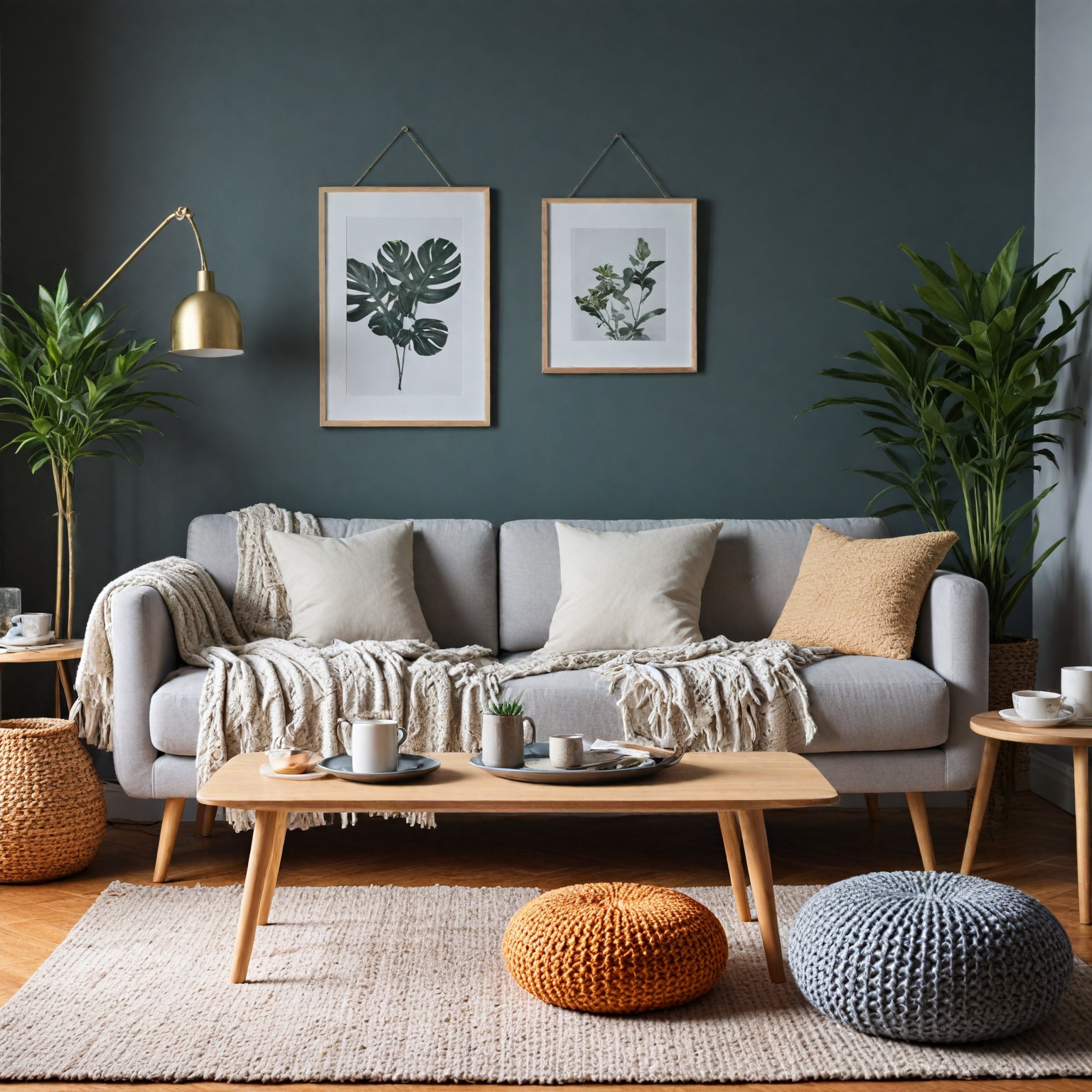
**Transform Your Home into a Cozy Haven with These 9 Brilliant Ideas** offers practical and inspiring guidance for creating warm, inviting living spaces that enhance comfort, well-being, and personal expression. In today’s fast-paced world, the home serves as a vital sanctuary where individuals seek solace and relaxation. This article explores how a cozy environment—characterized by soft lighting, layered textures, natural elements, and personalized décor—can foster emotional comfort and improve quality of life.
The guide emphasizes affordable, accessible strategies to transform any home without major renovations, including the use of warm, layered lighting, tactile fabrics, comfortable furniture, and thoughtful organization. It highlights the importance of natural materials and biophilic design, which connect indoor spaces to nature and promote mental and physical well-being. Additionally, incorporating scent and seasonal touches further enhances the atmosphere, making a home feel uniquely welcoming and restorative.
Drawing from a variety of interior design styles—from Scandinavian minimalism to rustic farmhouse and bohemian eclecticism—the article demonstrates how different aesthetics can be adapted to achieve coziness through warm color palettes, inviting furniture, and layered décor. It also addresses emerging trends such as zoned heating systems and radiant floor heating that combine comfort with energy efficiency and modern technology.
While the pursuit of coziness is widely embraced, the article acknowledges potential challenges, including balancing clutter and personalization without overwhelming the space, and ensuring that comfort does not come at the expense of functionality or sustainability. Overall, it presents a holistic approach to making a home a true haven, blending aesthetics, technology, and emotional resonance to create spaces where individuals and families can relax, recharge, and feel truly at home.
Importance of a Cozy Home
In the midst of our busy daily lives, the home remains a steadfast sanctuary—a place where we can find solace and comfort. Creating a cozy home environment goes beyond just visual appeal; it serves as a warm embrace, offering a space where individuals can truly be themselves, relax, and unwind after a hectic day. This sense of comfort and belonging is essential for mental and emotional well-being, making the home a vital refuge from external stresses.
Moreover, establishing a cozy atmosphere does not necessarily require a large budget. Many effective strategies to enhance warmth and comfort within the home can be achieved affordably, allowing people to transform their living spaces without financial strain. Ultimately, a cozy home fosters a welcoming environment that nurtures relaxation and personal expression, contributing significantly to overall quality of life.
Key Elements of a Cozy Haven
Creating a cozy haven in your home involves a thoughtful combination of textures, lighting, personal touches, and functional furniture that together foster warmth and comfort. These elements work in harmony to transform any space into a welcoming retreat.
Lighting
Lighting plays a critical role in establishing a warm and inviting atmosphere. Opting for multiple soft light sources rather than a single bright fixture creates a soothing glow. The use of floor and table lamps, dimmers on overhead lights, and warm white LED bulbs is highly effective in achieving this ambiance. Additionally, incorporating fairy lights or string lights can lend a magical, gentle warmth to bedrooms or living areas, making the space feel enchanting and relaxed.
Natural Elements
Incorporating plants not only adds life and freshness to a home but also improves air quality, contributing to a healthier and more comforting environment. Easy-to-maintain species such as Monstera Deliciosa, Pothos, or Areca Palm are popular choices that bring nature indoors. Natural greenery fosters positive emotions associated with the outdoors and helps create a sanctuary-like atmosphere.
Texture and Soft Furnishings
Texture is fundamental in adding warmth and visual interest to a cozy space. Incorporating a variety of tactile materials—such as plush cushions, knitted throws, soft blankets, and layered rugs—invites relaxation and comfort. Using natural fabrics like wool, cotton, jute, velvet, faux fur, and thick knitted blankets enhances this tactile experience, encouraging a sense of coziness throughout the room. Layering rugs of varying textures can add depth and provide a soft underfoot feel, which significantly contributes to the overall warmth of the space.
Furniture and Seating
Comfortable, inviting furniture is essential for a cozy home. Oversized sectional sofas, cushy couches, or overstuffed armchairs encourage relaxation and make rooms feel welcoming. Including additional seating such as a small bench with soft cushions can offer both comfort and practicality, especially near entryways. Furniture should be arranged thoughtfully to maintain accessibility and avoid cramped spaces, enhancing both comfort and ease of movement.
Personalization and Decorative Accents
A cozy home reflects the personality of its inhabitants. Personal touches like framed photos, artwork, handmade crafts, and personal collections create a warm, lived-in feel. Decorative accessories such as vases, bowls, and textiles that coordinate in color can unify the décor and add a sense of continuity. Oversized artwork and textured wall hangings, like tapestries or woven pieces, provide unique focal points that enrich the cozy aesthetic.
Warm Color Palette
Choosing a limited color palette focused on natural, soft, and earthy tones helps declutter visual space and promotes a feeling of calm and warmth. Warm neutral hues, when combined with textural elements and appropriate lighting, amplify the cozy atmosphere of a room.
Practical Organization
Practical elements that enhance both comfort and functionality—such as decorative baskets for organizing keys and mail or mirrors that open up confined spaces—contribute to a home’s welcoming vibe. Mirrors strategically placed reflect natural light and visually enlarge rooms, making spaces feel more inviting.
By blending these key elements—texture, lighting, comfortable furniture, personalized décor, natural touches, warm colors, and thoughtful organization—any home can be transformed into a cozy haven that invites relaxation and a sense of belonging.
Nine Brilliant Ideas to Transform Your Home
Creating a cozy home environment involves a combination of thoughtful design choices, personal touches, and practical elements that invite relaxation and warmth. Here are nine brilliant ideas to transform your home into a cozy haven.
1. Use Warm and Layered Lighting
Good lighting is essential for a warm and inviting atmosphere. Instead of relying on a single bright source, aim to incorporate multiple soft light sources such as lamps, floor lights, and dimmable overhead fixtures. Warm white LED bulbs are recommended to create a comforting glow. For outdoor spaces, string lights and candles can add magic and warmth that draw people outside.
2. Incorporate Texture for Depth and Comfort
Texture adds richness and character to a room, enhancing its coziness. Introduce textured wall art like tapestries or woven pieces, and layer textiles such as throws, cushions, and rugs to build a warm, inviting space. Mixing different materials—such as pairing modern glass with shaggy rugs or sleek leather with rattan—can add visual interest and tactile comfort.
3. Add Decorative Accents That Reflect Your Personality
Decorative accessories like pillows, blankets, vases, bowls, and other vessels can unify your décor by color and style, creating a cohesive look. Display family photos, personal collections, and handmade items to personalize your space and evoke warmth and memories. Natural greenery, such as plants and flowers, not only brings freshness but also connects you to nature, enhancing positive emotions.
4. Embrace Natural Materials and Biophilic Design
Using natural materials like wood, wool, silk, and water-based finishes helps reduce indoor toxins and fosters a connection to the outdoors. Replacing synthetic items with solid wood pieces, for example, adds character and warmth to your home while supporting environmental well-being. Incorporating biophilic design principles improves both aesthetics and personal wellbeing by reconnecting us with nature indoors.
5. Choose Comfortable, Inviting Furniture
Opt for furniture designed for relaxation, such as generous sectional sofas or plush, overstuffed armchairs. Modern cozy interiors prioritize seating that invites you to unwind and let go of stress. Flexible, multifunctional spaces—like a home office that doubles as a guest room with a hidden Murphy bed—can also increase comfort and usability.
6. Select a Warm, Limited Color Palette
Color psychology plays a key role in how cozy a space feels. Warm tones such as reds, oranges, and yellows create an intimate ambiance, while earthy and natural hues promote calmness. Sticking to a limited color palette helps avoid visual clutter and enhances the sense of tranquility in your home.
7. Layer Rugs and Choose Touch-Friendly Fabrics
Bare floors can feel cold and uninviting. Layering rugs with different textures—firmer rugs on the bottom and softer ones on top—adds depth and warmth underfoot. Complement this with fabrics that feel pleasant to the touch, including curtains and drapes, which add an additional layer of texture and warmth to your walls and windows.
8. Declutter and Organize Thoughtfully
A well-organized, clutter-free home promotes a serene environment conducive to relaxation. Embrace storage solutions such as wicker baskets or wooden crates to keep essentials neat while maintaining accessibility. Personalize your organization system with stylish labels or decorative touches to reflect your taste, making the space both functional and cozy.
9. Use Scent to Enhance Atmosphere
Scent is a powerful factor in creating a welcoming atmosphere. Candles with natural, non-toxic fragrances like bergamot evoke pleasant memories and warmth. Incorporating scent into your décor helps reinforce the cozy vibe and adds an invisible but deeply felt layer of comfort to your home.
By combining these ideas—lighting, texture, personal touches, natural materials, comfortable furniture, warm colors, layered textiles, organization, and scent—you can create a home that feels both inviting and uniquely yours.
Interior Design Styles Associated with Coziness
Cozy interiors can be achieved through a variety of design styles, each bringing unique elements that contribute to warmth and comfort. These styles often emphasize tactile textures, warm color palettes, and inviting furniture to create spaces that encourage relaxation and a sense of home.
Modern Organic and Scandinavian Styles
Modern organic design combines natural materials like wood, leather, and woven elements with warm, earthy tones to cultivate a soothing atmosphere. This style frequently incorporates overstuffed upholstery and vintage art to add character and comfort to living spaces. Similarly, Scandinavian design focuses on simplicity and natural elements, using neutral colors such as whites and beiges, and emphasizing minimal clutter to foster calm and openness. Natural materials and clean lines are hallmarks of this style, which prioritizes both functionality and coziness.
Rustic and Farmhouse Styles
Rustic farmhouse interiors embrace wood as a central material, softened by the addition of cozy textiles such as cowhides, sheepskins, and simple fabric patterns. These elements combine to create a warm, lived-in feel that emphasizes texture over loud patterns. The modern farmhouse style blends traditional charm with contemporary comforts, using relaxing and inviting tones alongside natural materials to evoke a welcoming ambiance. Both styles favor furniture with a raw or unfinished look, often paired with antiques, to enhance the rustic and homey vibe.
Shabby Chic and Traditional Styles
Shabby chic interiors feature distressed or painted furniture with pale color palettes and floral patterns, balanced by elegant accents like crystal chandeliers. This approach creates an elegant yet cozy environment by blending rustic charm with a touch of glamour. Traditional design, rooted in 18th and 19th-century European aesthetics, achieves timeless elegance through warm tones, classic furniture, and plush fabrics. It combines comfort with formality, making spaces feel both sophisticated and inviting.
Bohemian and Coastal Styles
Bohemian interiors adopt a maximalist approach with a rich mix of patterns, colors, and accessories sourced from vintage markets and artisan stores. This style’s layered textiles and eclectic furnishings produce a relaxed and cozy ambiance that feels personal and vibrant. Coastal design draws inspiration from seaside living, incorporating vibrant neutrals, abundant natural light, and natural materials to evoke a serene and airy environment. The use of found objects and beach-themed decor further enhances the soothing, cozy feel.
Industrial and Eclectic Influences
While industrial style often features raw and unfinished furniture with metal elements, it can be softened with oversized artwork and cozy textiles to prevent the space from feeling cold. Mixing metals and combining industrial pieces with plush cushions and throws adds warmth and a masculine touch to interiors. Eclectic design blends multiple styles—such as boho, traditional, and modern farmhouse—allowing for both simplicity and complexity in one cohesive, inviting space.
Across these diverse styles, key elements for achieving coziness include the use of soft textures like velvet, faux fur, and thick knitted blankets, warm and neutral color schemes, and furniture that invites relaxation, such as overstuffed sofas and armchairs. The thoughtful layering of rugs and the strategic use of natural greenery also enhance the tactile and visual warmth of interiors.
Emerging Trends and Innovative Ideas in Cozy Home Renovation
In recent years, creating a cozy home has evolved beyond simple decoration to incorporate innovative construction techniques and technological advancements that enhance comfort and energy efficiency. One prominent trend is the use of zoned heating and cooling systems, which allow homeowners to divide their living spaces into separate climate zones. This approach not only tailors temperatures to individual preferences but also improves overall energy efficiency by reducing unnecessary heating or cooling in unoccupied areas. Another cutting-edge innovation gaining popularity is radiant floor heating, especially in bathrooms and kitchens, providing the warmth of heated floors that adds a tangible layer of comfort underfoot during colder months.
Alongside these technological improvements, renovation strategies emphasize the integration of natural elements and thoughtful furniture and textile choices. Incorporating warmer neutral tones through cushions and blankets instantly warms up rooms, contributing to the cozy ambiance without major structural changes. Seasonal decor adjustments, such as switching pillow covers, candles, and wreaths, offer budget-friendly ways to refresh the home’s atmosphere while maintaining a welcoming vibe. Additionally, attention to window treatments plays a crucial role; well-chosen curtains not only provide privacy and sun protection but also create a warm, inviting feeling that transforms the look and comfort of any room.
Safety and comfort remain key considerations during renovations. While ensuring a good HVAC system is fundamental, supplementing it with space heaters and leveraging natural fire elements like a roaring fireplace can elevate the sense of warmth and homeliness during colder seasons. Importantly, these trends reflect a holistic approach to cozy living—combining aesthetics, functionality, and technology to craft a sanctuary that truly feels like a warm embrace, where one can unwind and recharge in comfort.
Benefits of a Cozy Home Environment
A cozy home environment offers more than just aesthetic appeal; it serves as a vital sanctuary amidst the hustle and bustle of daily life. In the midst of our busy routines, the home remains a constant place where individuals seek comfort and solace, providing a space to relax and be themselves. This sense of comfort can have a profound emotional impact, akin to a warm hug, helping residents to unwind, de-stress, and feel at ease as soon as they walk through the door.
Creating a warm and welcoming atmosphere can significantly improve mental well-being by fostering a space where one can exhale and recharge. When a home is inviting, it encourages a cozy headspace, which is essential for emotional health and overall happiness. Furthermore, a cozy setting enhances social connections by making guests feel welcomed and valued, even in smaller or more intimate spaces.
On a practical level, a cozy home can improve physical comfort through thoughtful design elements such as zoned heating and cooling systems or radiant floor heating. These innovations not only increase comfort by tailoring climate control to individual spaces but also boost energy efficiency, making the home more sustainable and cost-effective.
Tips for Maintaining a Cozy Atmosphere Year-Round
Creating and maintaining a cozy atmosphere throughout the year involves a combination of thoughtful design choices, natural elements, and practical heating solutions. One effective approach is to use zoned heating and cooling systems, which divide the home into separate climate zones. This allows you to tailor the temperature to different areas, ensuring personalized comfort while improving energy efficiency. Additionally, radiant floor heating adds a unique warmth underfoot, particularly in bathrooms and kitchens, enhancing the overall cozy feeling in colder months.
Lighting plays a crucial role in sustaining coziness year-round. Using warm light bulbs and incorporating floor or table lamps can soften harsh lighting and create an inviting ambiance, perfect for relaxing evenings or entertaining guests. Seasonal decorations and well-chosen window treatments not only provide privacy and protection from harsh sunlight but also significantly contribute to a warm and welcoming environment.
Incorporating natural elements is another key to enduring coziness. Embracing biophilic design principles—using natural materials like wood, stone, and organic textiles—helps foster a stronger connection to nature, which is increasingly important as urban living limits outdoor exposure. Adding greenery through plants and flowers brings life and freshness to interiors, evoking positive emotions similar to those experienced in nature. Soft textures, such as decorative cushions and natural wool throws, add color, comfort, and tactile warmth, perfect for cocooning on a chilly day.
Maintaining an organized and decluttered space supports mental clarity and comfort. A tidy home with clean surfaces reduces stress and enhances the cozy atmosphere, making it easier to relax and enjoy the space. Sticking to a limited color palette—preferably natural, soft, or earthy tones—further minimizes visual clutter and creates a harmonious, soothing environment that invites comfort all year long.
By combining these strategies—efficient heating solutions, layered lighting, natural materials, greenery, soft textures, and mindful organization—you can ensure your home remains a cozy haven no matter the season.
The content is provided by Jordan Fields, Brick By Brick News