Summary
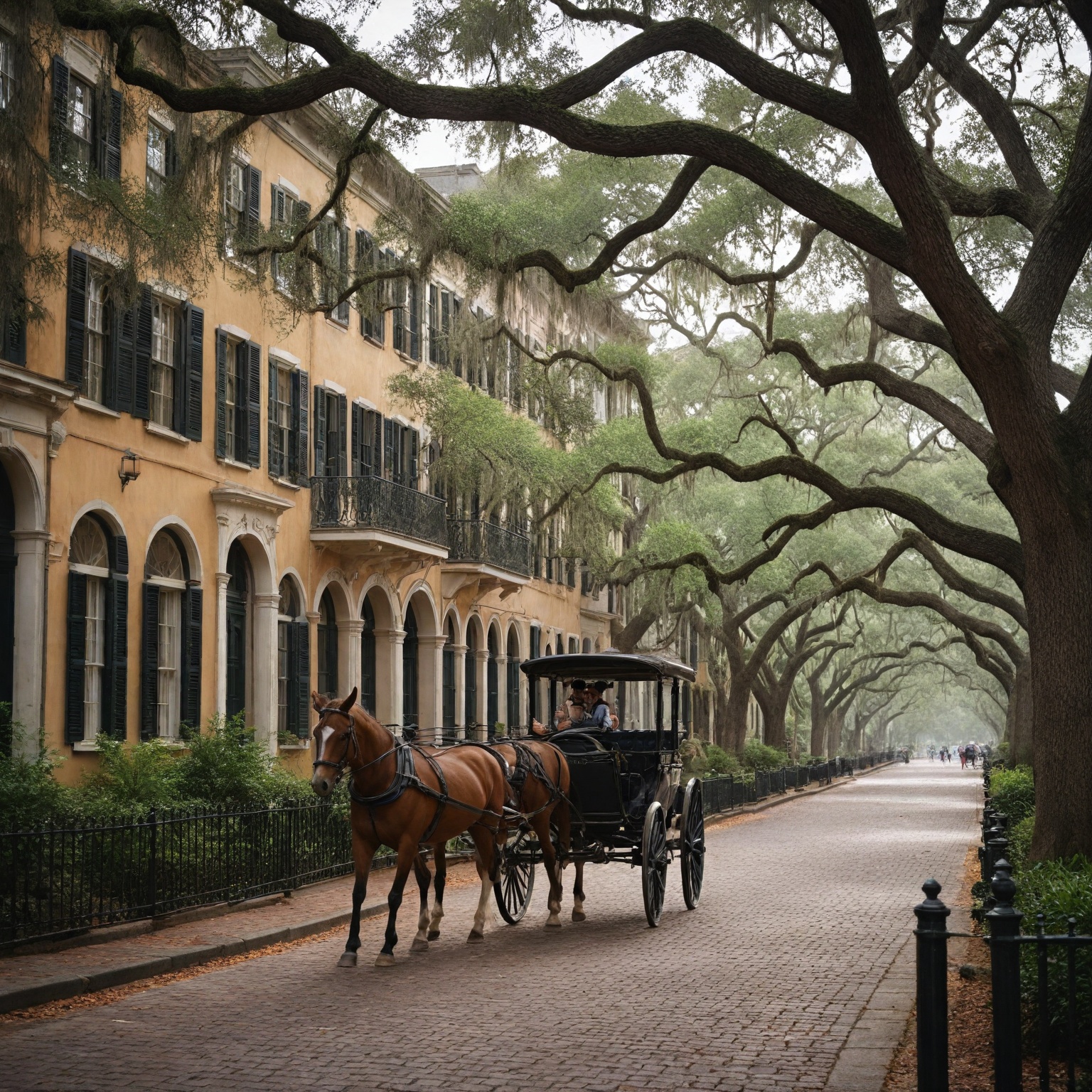
Savannah, Georgia, is a historic Southern city renowned for its distinctive blend of rich history, diverse architecture, and vibrant cultural experiences. Founded in 1733 by British General James Oglethorpe as America’s first planned city, Savannah’s carefully designed layout of public squares and preserved neighborhoods offers visitors a living window into nearly three centuries of American history. Its National Landmark District showcases architectural styles ranging from Colonial and Georgian to Federal and Victorian, reflecting the city’s evolution and dedication to historic preservation, particularly bolstered by the Savannah College of Art and Design (SCAD) since the late 1970s.
The city’s charm extends beyond its historic buildings to a lively arts scene, culinary delights, and unique outdoor attractions. Visitors can explore cobblestone streets on foot or trolley, savor Southern cuisine, and experience the bustling atmosphere of River Street’s shops and waterfront dining. Savannah also embraces its reputation as one of America’s most haunted cities, offering ghost tours and paranormal investigations that intertwine local folklore with historical narrative. Cultural institutions, including museums dedicated to African American heritage and maritime history, further enrich the visitor experience.
Savannah’s tourism industry plays a crucial role in preserving its heritage while contributing significantly to the local economy. The city balances modern amenities with its historic ambiance, drawing millions annually who seek an authentic Southern experience marked by hospitality, history, and natural beauty. However, the increasing popularity of tourism also raises challenges related to managing visitor impact and maintaining the integrity of its historic sites.
Together, Savannah’s combination of architectural grandeur, cultural vibrancy, culinary richness, and intriguing historical narratives makes it a compelling destination that captures the hearts of travelers and historians alike. Its enduring Southern charm continues to inspire both preservation efforts and contemporary cultural growth.
Historical Background
Savannah, Georgia, holds the distinction of being America’s first planned city, established in 1733 by British General James Oglethorpe as a place of hope and refuge for Britain’s poor. With nearly three centuries of history, the city serves as a living museum where architectural styles, culture, and tradition blend remnants of the past with present-day life.
The city’s architecture is notably diverse, featuring styles from the 18th and 19th centuries that range from simple Colonial designs to the ornate gingerbread accents characteristic of the Victorian period. Among the prominent architectural influences are the Georgian style, prevalent during the reigns of King George I through King George IV in the 18th century, and Federal architecture, regarded as the nation’s first architectural style and reflective of the early years of the United States as a democratic republic. These styles can be seen throughout Savannah’s National Landmark District, where historic preservation efforts have been particularly successful.
Restoration and preservation of Savannah’s historic buildings gained significant momentum with the arrival of the Savannah College of Art and Design (SCAD) in the late 1970s. This institution played a key role in revitalizing the city, promoting programs, tax incentives, and grants that encouraged the maintenance and restoration of historic structures. As a result, Savannah’s historic district boasts a wealth of well-preserved buildings that tell the story of its rich architectural heritage.
Among the city’s notable historic sites is a quaint building that once operated as a school until 1919 and now functions as an award-winning cultural center celebrating African American art and history. This venue showcases works by local artists such as Ulysses Davis, famed for his mahogany busts of American presidents and civil rights leaders. Additionally, historic homes like one owned for a century by a prominent family and later preserved by Alida Harper—a pioneering preservationist—highlight Savannah’s commitment to honoring its past. This particular home, filled with period antiques, serves as the Georgia headquarters for the Society of the Cincinnati, an organization founded by officers of George Washington, and has been recognized among America’s top historic homes.
Cultural and Architectural Significance
Savannah is a city deeply rooted in history and culture, showcasing a remarkable blend of architectural styles that reflect its rich past and evolving identity. Established in 1733 as America’s first planned city by British General James Oglethorpe, Savannah was designed with a series of public squares, or wards, that shaped its unique urban landscape and fostered a sense of community and order from its earliest days. This thoughtful urban planning laid the foundation for a city where history and culture remain intertwined with everyday life.
Architecturally, Savannah is renowned for its diverse and well-preserved buildings spanning multiple periods and styles. The city features a broad array of examples from Colonial and Georgian to Federal and Victorian architecture. Georgian architecture, prevalent between the early 1700s and early 1800s, is characterized by balance and symmetry, often with classical details such as ionic columns and triangular pediments, while the Federal style emerged later, embodying the young nation’s aspirations during the late 18th century. Savannah also boasts Italianate residences inspired by northern Italian farmhouses, Regency buildings with classical alcoves, and the picturesque Second French Empire style featuring turrets and domes reminiscent of 17th-century French Renaissance architecture.
Historic preservation has been a driving force behind Savannah’s cultural landscape, particularly since the late 1970s with the influence of SCAD. The college has played a significant role in restoring and revitalizing many historic structures, helping maintain the city’s architectural integrity while adapting to contemporary needs. Efforts such as the establishment of the Historic Review Board have further strengthened preservation initiatives, ensuring that Savannah’s buildings, including notable landmarks like the Olde Pink House dating back to the 1760s and the U.S. Custom House built in 1852, continue to tell the story of the city’s past.
Savannah’s National Landmark District houses some of its most iconic architecture, blending historic brick buildings with modern design. For instance, a long, low building featuring restored Savannah gray brick and a striking glass atrium was designed by Israeli architect Moshe Safdie to represent 21st-century openness while respecting the city’s heritage. Inside, the space exhibits art by prominent figures such as Latin American sculptor Carlos Garaicoa, Mexican sculptor Elizabeth Catlett, and painter and civil rights activist Virginia Jackson Kiah, reflecting the city’s vibrant cultural diversity.
The city’s cultural significance extends beyond architecture to its role as a living museum of Southern history and tradition. Sites like the Juliette Gordon Low Birthplace—dedicated to the founder of the Girl Scouts of America and designated as Savannah’s first National Historic Landmark—attract thousands of visitors annually, illustrating the city’s rich social heritage. Meanwhile, locations such as Factors Walk recall Savannah’s historic role as a commercial hub during the cotton trade era, with red brick warehouses lining the bluff between Bay and River Streets serving as tangible reminders of the city’s economic past.
Together, Savannah’s architectural diversity, historic preservation efforts, and cultural landmarks create a distinctive Southern charm that captures the hearts of residents and visitors alike. The city’s harmonious blend of past and present continues to inspire and educate, making it a captivating destination for those seeking to experience authentic American history and culture.
Must-Try Experiences
Savannah, Georgia offers a variety of unique and memorable experiences that perfectly capture its Southern charm and rich history. Whether you are a first-time visitor or returning to explore more, these must-try activities will deepen your appreciation of the city’s culture, architecture, and local flavor.
Explore Historic Savannah on Foot and by Trolley
One of the best ways to experience Savannah’s charm is through its historic district, known for its walkable cobblestone streets, lush public squares, and stunning architecture. Visitors can admire landmarks such as the Mercer-Williams House Museum and the Sorrel Weed House, as well as the iconic Forsyth Fountain in Forsyth Park. For those who prefer guided tours, the fully narrated Old Town Trolley Tour offers a convenient overview of the city’s highlights, while themed tours like the comedy trolley show “Savannah for Morons” provide a fun and unconventional way to see the city.
Savor Savannah’s Culinary Delights
Savannah’s food scene is a rich blend of traditional Southern dishes and innovative cuisine. Start your day with a cup from PERC, one of the nation’s top coffee roasters, and then enjoy local favorites such as the fried bologna sandwich at Treylor Park or a shrimp and sausage lowcountry boil at Savannah Seafood Shack. No visit is complete without a stop at Leopold’s Ice Cream, famous for its Georgia pecan butter pecan flavor.
Discover River Street’s Vibrant Atmosphere
Running alongside the Savannah River, River Street is a lively and historic district filled with more than 75 shops, galleries, restaurants, and pubs housed in old cotton warehouses. This cobblestone street not only offers a scenic stroll but also serves as a hub for nightlife and pub crawls. The Cotton Exchange Building, dating back to 1887 when Savannah was a leading cotton seaport, is a prominent landmark on this waterfront. While River Street is family-friendly during the day, it becomes more oriented towards adult entertainment after dark.
Immerse Yourself in Savannah’s Haunted History
For those intrigued by the supernatural, Savannah’s haunted tours provide a spine-tingling glimpse into nearly 300 years of local lore. Experiences such as ghost tours, paranormal investigations at the Owens-Thomas House & Slave Quarters, and the Hearse Ghost Ride Tours give visitors a unique perspective on the city’s eerie past. These tours combine history and mystery, offering both skeptics and believers a memorable encounter with Savannah’s spooky side.
Visit Cultural and Historic Museums
Savannah is rich in cultural attractions, including the oldest continuously operating theater in America and museums highlighting the city’s maritime and African American heritage. The Scarborough House Maritime Museum, for example, features galleries of ship models and artifacts that tell the story of Savannah’s role in Atlantic trade. Visitors looking to connect with Savannah’s past can also explore historic homes, memorial gardens, and the peaceful Fragrant Garden for the visually impaired, making the city a haven for history buffs and art lovers alike.
Together, these experiences offer a comprehensive taste of Savannah’s charm, blending history, cuisine, culture, and a touch of the supernatural to create a truly unforgettable Southern escape.
Arts and Entertainment
Savannah boasts a vibrant arts and entertainment scene that seamlessly blends its rich history with contemporary cultural experiences. Among the city’s highlights is the Savannah Theatre, the oldest continuously operating theatre in America, which first opened in 1818. Designed by architect William Jay, who also created the Telfair Mansion, the theatre was remodeled in the art deco style in 1950 and continues to host a variety of live shows including musicals, comedy performances, and even paranormal investigations. Visitors often praise the beautifully restored venue and particularly recommend its annual Christmas show as a memorable cultural experience.
Art lovers will find the Telfair Museums an enchanting destination where art, history, and architecture converge in the heart of historic Savannah. The museums offer a range of exhibitions that celebrate both local and national artists, including remarkable African American art displays hosted in a quaint former school building that closed in 1919. Notable exhibits have featured works by Ulysses Davis, a renowned wood carver known for his mahogany busts of American presidents and civil rights leaders such as Martin Luther King Jr. The museums also showcase sculptural installations by Latin American artists like Carlos Garaicoa and highlight influential figures such as painter and civil rights activist Virginia Jackson Kiah.
For those interested in maritime heritage, the Sea Maritime Museum located in the historic Scarborough House provides an immersive look into Savannah’s nautical past. Established in 1819, the museum’s galleries feature extensive ship models ranging from colonial vessels and ironclads to steamers and modern navy ships, offering a captivating exploration of the region’s role in Atlantic trade.
Together, these institutions and venues offer visitors to Savannah a rich tapestry of cultural and artistic experiences that reflect the city’s unique Southern charm and historical significance.
Outdoor Activities and Natural Attractions
Savannah offers a wealth of outdoor activities and natural attractions that showcase the city’s charming blend of history, nature, and Southern hospitality. One of the most iconic outdoor spaces is Forsyth Park, a sprawling 30-acre green oasis in the historic district. Visitors can stroll past the stunning white-stone Forsyth Fountain, explore the Fragrant Garden designed for the visually impaired, and marvel at the 300-year-old Candler Oak tree. From the park, several historic sites such as the Mercer-Williams House Museum and the Sorrel Weed House are within walking distance, making it a perfect starting point for exploring Savannah’s rich heritage.
For those looking to experience Savannah’s scenic waterfront, East River Street is a popular destination that blends lively eateries, fine dining, art galleries, and boutiques. Walking along the cobblestone streets here allows visitors to watch big ships pass by while enjoying a to-go drink from local bars—a legal and relaxed way to soak in the atmosphere. The street also hosts numerous festivals throughout the year, adding vibrant local culture to the outdoor experience.
Nature enthusiasts can venture just outside downtown Savannah to explore the city’s Lowcountry region, where history and coastal beauty intersect. This area offers a trifecta of experiences including pristine beaches on nearby Tybee Island, which is famous for its fresh seafood and beach town charm. Other nearby communities such as Richmond Hill, Pooler, Rincon, and Garden City provide additional unique attractions and outdoor activities, including baseball games at Grayson Stadium and strolls through Daffin Park, alongside the admiring of 19th- and 20th-century architecture.
In addition to traditional sightseeing, Savannah also offers unconventional outdoor tours that cater to diverse interests. Visitors can choose from bike tours, dog-walking tours, and even comedy trolley tours like “Savannah for Morons,” making the exploration of the city’s outdoor spaces both entertaining and memorable. For a more active and engaging experience, food tours are also available that combine walking with tasting the city’s distinct culinary offerings.
Unique Shopping Experiences
Savannah offers a diverse range of shopping experiences that reflect the city’s rich history and vibrant culture. One popular destination is Keller’s Flea Market, located just minutes from I-95, where visitors can find kitschy souvenirs and a variety of eclectic goods while enjoying the surrounding horticulture. For those seeking local flavors, Savannah’s farmers markets are a must-visit, providing an abundance of Southern produce such as peaches, grits, and tomatoes. These markets operate daily, making it easy to pick up fresh, regional goodies any day of the week.
The historic East River Street is another integral part of Savannah’s shopping scene, popular among both locals and tourists. This waterfront area features an appealing mix of eateries, fine dining, art galleries, and boutiques, offering something for every taste and interest. Additionally, shoppers can explore a variety of specialty and gift shops, antique stores, and factory outlets throughout the city, making Savannah a compelling destination for those interested in unique finds and local crafts.
Whether browsing historic flea markets or exploring upscale galleries and boutiques along the riverfront, Savannah’s shopping experiences blend Southern charm with a distinctive local flavor that captures the heart of the city’s visitors.
Visitor Information
Savannah offers a variety of ways for visitors to explore and experience the city’s rich history and vibrant culture. Whether you prefer walking, pedicab, carriage, trolley, or boat tours, local experts are available to guide you and help you discover the best of Savannah. One popular option is the fully narrated Old Town Trolley Tour, which departs every 30 minutes, ensuring minimal wait times and convenient access to key historic sites.
The city’s Historic District is renowned for its impeccably maintained gardens, parks with towering oak trees draped in Spanish moss, cobbl
Tourism Impact
Savannah’s rich historic heritage and distinctive Southern charm have made it a major tourist destination, significantly impacting the city’s economy and cultural preservation. The Historic Landmark District, known for its remarkable architecture spanning from the 18th to 19th centuries, attracts visitors eager to experience its diverse styles—from simple Colonial to Victorian gingerbread accents. The presence of the Savannah College of Art and Design since the late 1970s has further bolstered restoration efforts, leading to thriving preservation initiatives supported by tax credits, grants, and local programs.
Tourism in Savannah extends beyond the well-trodden historic squares and includes popular attractions like East River Street, where visitors enjoy a mix of dining, art galleries, and boutique shopping, offering something for every taste. Sightseeing tours, such as the fully-narrated Old Town Trolley Tour, serve as an accessible introduction to the city’s landmarks while encouraging exploration of off-the-beaten-path experiences suitable for all ages.
Historically, Savannah’s status as a mercantile city due to its strategic port location near the Atlantic Ocean fostered global trade that contributed to the city’s cosmopolitan character and economic wealth. Today, tourism leverages this rich past, drawing visitors whose spending supports ongoing preservation and revitalization efforts, ensuring Savannah’s unique charm and historic fabric remain vibrant and economically beneficial to the region.
The content is provided by Harper Eastwood, Brick By Brick News