Summary
Unlocking the Secrets of Spec Houses: Essential Tips for Buyers explores the growing market of speculative homes—newly constructed houses built by developers without a specific buyer in mind. Unlike custom homes, spec houses are designed using standardized plans and builder-selected materials to appeal broadly to current market trends, enabling faster construction and quicker move-in timelines. This approach offers an attractive alternative for buyers seeking the convenience of a new home without the delays and complexities typically associated with custom builds.
Spec homes are notable for balancing cost-efficiency with quality, often featuring popular finishes, energy-efficient elements, and functional designs aimed at contemporary preferences. However, the expedited construction process and bulk purchasing can sometimes lead to variability in workmanship and materials, posing potential risks for buyers regarding durability and personalization options. The article provides guidance on evaluating these factors, emphasizing the importance of due diligence through inspections, warranty considerations, and understanding negotiation opportunities beyond purchase price.
While spec houses typically cost less and allow buyers to see the finished product before purchase, they also come with trade-offs such as limited customization and occasional construction defects. Buyers must weigh these advantages and disadvantages carefully, especially in a competitive housing market marked by rising material costs and evolving buyer preferences toward sustainability and efficient design.
By comparing spec houses with custom-built homes and highlighting practical tips for navigating the buying process, this article serves as a comprehensive resource for prospective homeowners aiming to make informed decisions in today’s dynamic real estate environment.
Definition and Overview
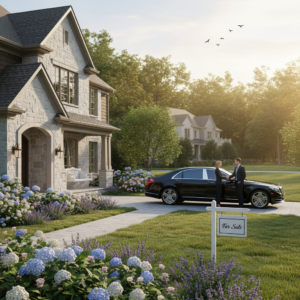
A spec house, short for “speculative house,” is a newly constructed home built without a specific buyer in mind. Builders design and construct these homes based on general market preferences to appeal to a broad range of potential buyers, aiming for quick completion and sale. Unlike custom homes, where the homeowner collaborates closely with architects and designers to tailor every detail to their vision, spec houses are developed more quickly using builder-grade materials and standardized features that align with current trends.
Spec homes are typically move-in ready upon completion and are built to a higher standard than many tract homes, as builders seek to ensure that the property sells swiftly once finished. While spec houses prioritize efficiency and broad market appeal, they provide less opportunity for personalization compared to custom-built homes. This distinction makes spec homes a convenient option for buyers looking for a new home without the extended timeline or additional costs associated with custom construction.
Development and Construction Process
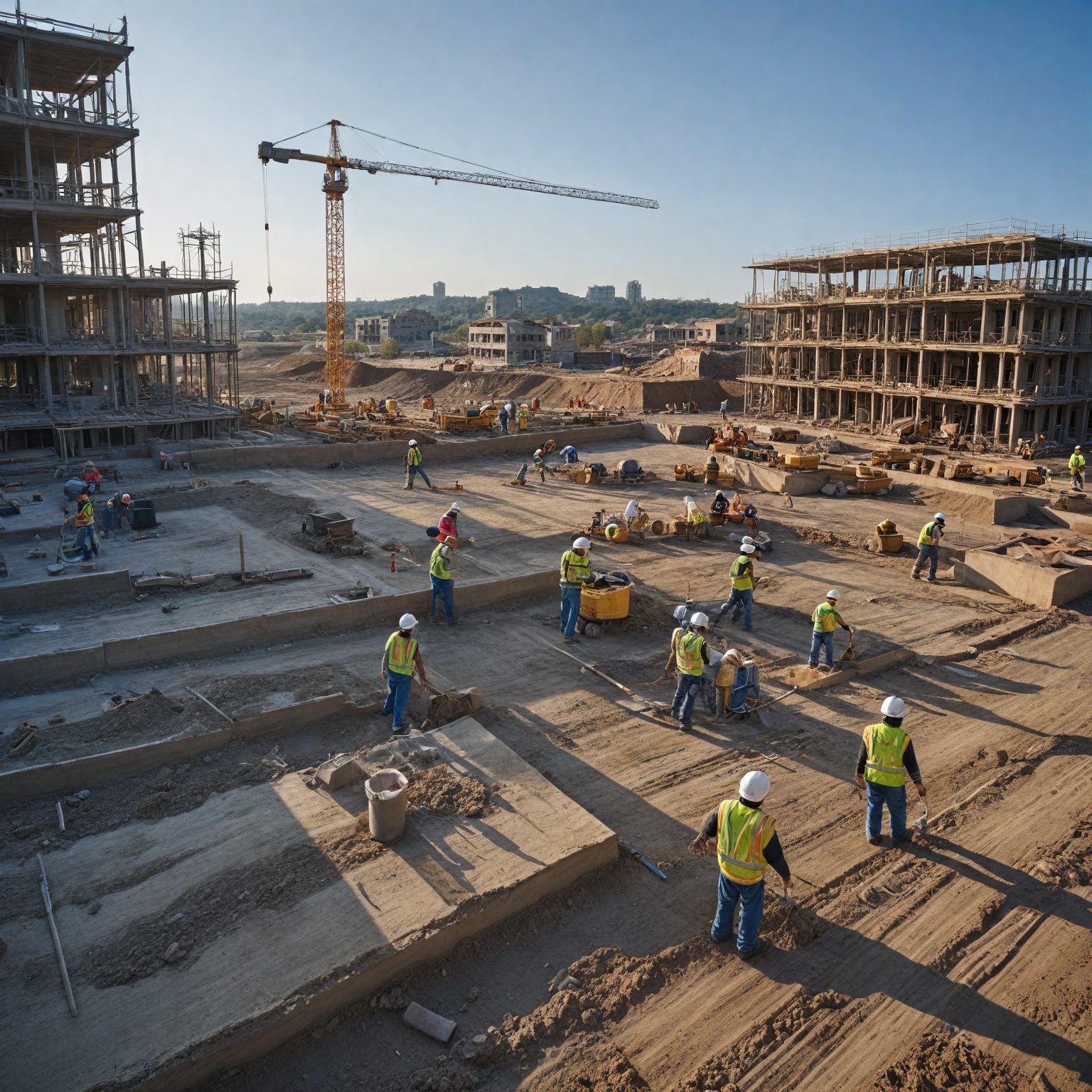
The development and construction process of spec houses involves several distinct phases, each contributing to the overall timeline and quality of the finished home. Unlike custom homes, which require extensive planning and design tailored to the buyer’s specifications, spec houses are typically built using pre-designed plans aimed at quick completion and sale.
Planning and Pre-Construction
The initial planning phase for spec houses is generally shorter than for custom homes because builders use pre-approved designs and permits. This pre-construction phase, which includes securing permits and finalizing plans, can range from two months to a year depending on the project scope, but spec homes benefit from streamlined processes since many of the designs and permits are already in place. This contrasts with custom homes, where the planning phase can extend the timeline significantly, often requiring 12 to 24 months due to the need for individualized designs and complex decision-making.
Construction Timeline
The average time to build a spec house typically falls between seven and 14 months, with some sources noting it can be as quick as around six months for mass-produced tract homes. Spec houses are built to be move-in ready, allowing buyers to expedite the home purchase process compared to custom homes, which may take over a year due to design and construction complexities. During construction, builders follow the predetermined plans with limited customization, which helps reduce delays caused by changes or miscommunications common in custom builds.
Execution and Quality Control
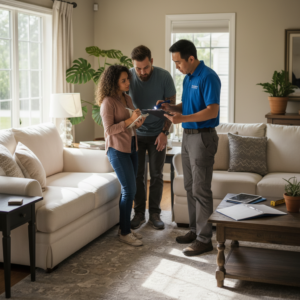
Execution planning is a critical phase where architects and engineers translate conceptual designs into practical, buildable plans. Every material choice and construction method is finalized to ensure the home meets local building codes and quality standards. Since inspections of new construction homes are not always legally required, buyers are encouraged to hire third-party inspectors to identify and address potential defects or inconsistencies that may arise during construction.
Challenges and Considerations
While spec homes offer a quicker route to homeownership, buyers should be aware of challenges such as limited customization options and potential quality variations depending on the builder. Additionally, rising construction costs and the complexities of construction financing can impact the overall process. Developers often build spec homes on small parcels of land, focusing on efficient production rather than extensive upgrades, which keeps costs lower but may limit features compared to custom or tract homes.
Building Materials and Quality
The choice of building materials plays a crucial role in the overall quality and durability of spec houses. Commonly, construction materials are classified into natural and manmade origins, each offering different characteristics such as weight, strength, longevity, and cost, which influence their suitability for specific applications. For example, lumber remains the most widely used material in residential construction due to its versatility, availability, durability, and affordability. Popular wood species like Douglas fir, southern yellow pine, and oak are frequently selected for framing, wall sheathing, roof trusses, flooring, and cabinetry, making lumber indispensable for both structural and decorative elements.
In addition to wood, aggregates such as crushed stone, gravel, and sand are essential components in concrete and asphalt mixtures, providing structural support by distributing weight and enhancing strength. Concrete itself is a fundamental material, widely used in various infrastructure elements including culverts and sewers, often reinforced with steel to improve load-bearing capacity and longevity. Steel, an alloy of iron and carbon, is valued for its high strength, light weight, and cost-effectiveness in shipping, making it a preferred choice for skyscraper construction and other demanding structural applications.
Materials like corrosion-resistant wire offer specialized uses in packaging and outdoor environments, demonstrating the importance of selecting materials based on specific functional requirements such as rust protection and weather resistance. Similarly, sustainable alternatives like bamboo are gaining attention due to their rapid renewability and excellent strength-to-weight ratio, providing eco-friendly options in residential building projects.
However, buyers of spec houses should be cautious about potential quality concerns related to materials. Bulk purchasing of materials for spec homes often results in lower-grade inputs, which may compromise the overall quality. Moreover, the fast-paced nature of spec home construction and the use of less-skilled labor can lead to variations in workmanship and material standards. Understanding these factors helps buyers make informed decisions and better assess the construction quality of spec houses before purchase.
Features and Characteristics of Spec Houses
Spec houses, also known as speculative homes, are newly constructed, move-in-ready homes built by homebuilders before a buyer is identified. Unlike custom homes, which are designed and built to the specific preferences of an individual buyer, spec homes are constructed based on market trends and community needs to appeal to a broad range of potential homeowners. This approach allows for quicker turnaround times compared to custom builds, making spec homes attractive for buyers seeking immediate occupancy.
Contrary to common misconceptions, spec houses are not built with inferior materials or limited design options. Builders like Eastwood Homes emphasize that their spec homes feature carefully selected fixtures and finishes chosen by expert teams, ensuring high-quality construction that aligns with contemporary trends and buyer expectations. The attention to detail includes design elements tailored to the specific community and market demands.
Energy efficiency is a prominent characteristic of many spec homes, reflecting growing buyer preferences and sustainability considerations. Features such as Energy Star-rated windows and appliances, tankless water heaters, and LED lighting are increasingly standard, contributing to reduced maintenance costs and potential increases in resale value by up to 8%. Over 57% of American households already incorporate energy-efficient windows, highlighting their popularity and importance in new home construction.
Additionally, modern spec homes often incorporate innovative design trends aimed at maximizing comfort and functionality. Examples include optimized storage solutions tailored for specific kitchen tasks, sensory architecture concepts engaging multiple senses, and desirable outdoor living spaces like front porches, patios, and enhanced landscaping. Buyers are showing interest in homes with less square footage but more customized features, balancing size with personalized functionality.
Advantages of Purchasing Spec Houses
One of the primary advantages of purchasing a spec house is the potential for cost savings. Builders who develop multiple spec homes benefit from economies of scale, allowing them to purchase materials in bulk and reduce construction costs. These savings are often passed on to buyers, making spec homes generally more affordable than custom-built homes. This affordability is particularly attractive to first-time homebuyers and those working within a budget.
Another significant benefit is the opportunity to see the finished product before making a purchase decision. Since spec homes are typically completed or near completion at the time of sale, buyers can physically inspect the house, providing greater confidence in their investment and eliminating much of the uncertainty associated with custom builds. Additionally, buyers can arrange a home inspection prior to closing, ensuring the house meets their standards and reducing the risk of unexpected cost increases after purchase.
Spec houses also offer the advantage of convenience and speed. Unlike custom homes, which may face delays due to changes in design or permitting issues, spec homes are built following standardized plans and fixed timelines, often completed within four to seven months from start to finish. This allows buyers to move into a ready-to-live-in home without the hassle and extended timeline involved in custom home construction.
Furthermore, even though the purchase price of a spec house may be non-negotiable, buyers often have leverage to negotiate other sales terms, such as closing costs, timeline, upgrades, and concessions, providing additional value and flexibility during the transaction.
Disadvantages and Risks
Purchasing a spec home comes with several disadvantages and risks that buyers should carefully consider before making a decision. One of the main challenges is the potential for construction defects, which are common issues documented across many newly built homes. Problems such as leaks through windows or building walls due to incorrect installation, cracks, efflorescence, and failures to adhere to specified construction plans can lead to costly repairs and homeowner dissatisfaction. Additionally, defects like dampness in external walls caused by a failed damp proof course or structural issues such as crumbling concrete and gaps between walls can compromise the integrity and safety of the home.
Another risk involves the unpredictability of costs. The final price of a spec house depends on various factors including location, materials used, and the builder’s choices regarding finishes and features. Unlike custom homes, spec homes often lack upscale finishes, although some developers may include high-end features to appeal to a higher budget market segment. Buyers may also face limitations in personalization and control over design choices, which can affect satisfaction with the final product.
Time and financial management pose additional challenges. Construction delays due to weather, supply shortages, or other unforeseen circumstances can push back move-in dates and increase costs. Buyers and builders alike must budget for contingencies and be prepared for schedule changes to mitigate these risks effectively. Furthermore, financing a spec home can be complex, especially for first-time buyers unfamiliar with construction loans, adding another layer of difficulty to the home buying process.
Lastly, the competitive nature of the housing market means buyers may face obstacles such as limited affordable options, multiple offer situations, and difficulties in saving for a down payment, which can complicate purchasing a spec home even further. Overall, while spec homes offer quicker move-in times compared to custom builds, prospective buyers must weigh these disadvantages and risks to determine if a spec home meets their needs and expectations.
Buyer Considerations and Due Diligence
When considering the purchase of a spec home, buyers must be aware of several important factors to ensure a smooth transaction and avoid potential pitfalls. One of the main advantages of spec homes is the transparency in costs, as builders often provide verifiable appraisal values and up-to-date prices of construction materials since the home is typically near completion at the time of sale. This transparency helps mitigate buyer anxiety related to hidden costs or surprises commonly associated with other home purchases.
Buyers should also recognize that while the purchase price of a spec home may be non-negotiable, other sales terms such as closing costs, timeline, upgrades, and concessions can often be negotiated. It is crucial to have financing arranged beforehand, whether through a mortgage or cash, to facilitate a smooth closing process where documents are signed and ownership transferred. Additionally, understanding that construction costs for spec homes are influenced by land acquisition, materials, labor, permits, as well as financing, holding, and selling costs will help buyers grasp the pricing structure better.
Quality assurance is another vital consideration. While spec homes often include popular features that appeal to a broad range of buyers—such as open layouts, kitchen islands, walk-in showers, and granite countertops—ensuring the home is free from defects is essential. Buyers should be aware of common construction defects ranging from minor to major structural issues caused by faulty design, materials, or workmanship. Employing third-party inspections can help identify and remediate these defects early on, supported by builder warranties that cover workmanship and components for a limited time, typically ranging from one to ten years depending on the item and state regulations.
It is also advisable for buyers to verify the builder warranty coverage and understand its scope, as it offers limited protection and does not replace homeowners insurance. Buyers with FHA or VA loans should ensure that their builder has purchased third-party warranties as required by these agencies, providing additional protection on critical systems like HVAC, plumbing, and electrical.
Lastly, buyers should be prepared for the potential challenges in financing spec homes, which may carry more risk than homes with committed buyers. Being thorough, responsive, and communicative with lenders during the application process can improve chances of securing funding for spec home purchases. Taking these due diligence steps will empower buyers to make informed decisions and enjoy the benefits of purchasing a move-in-ready, thoughtfully constructed home without unforeseen complications.
Purchasing Process and Negotiation
Purchasing a spec home often involves a streamlined process that can save time for the buyer. Since these homes are typically already built or under construction without a specific buyer in mind, the decision-making steps are more straightforward, resulting in a faster transaction compared to custom-built homes. This time-saving aspect is especially valuable in a competitive real estate market where homes may sell within days, allowing buyers to move quickly and secure a property without prolonged waiting periods.
Negotiation in spec home purchases may differ from traditional home buying. While the purchase price might sometimes be fixed, buyers often have the opportunity to negotiate other important terms of the sale. These can include closing costs, the timeline for closing, upgrades to the home, and various concessions. Such flexibility can provide buyers with valuable leverage even in markets where price negotiations are limited.
From the builder’s perspective, construction costs that influence pricing primarily depend on land acquisition, materials, labor, permits, and additional expenses such as financing, holding, and selling costs. Understanding these factors can help buyers better assess the value and potential negotiation points when considering a spec home purchase.
Comparison with Custom-Built Homes
Spec houses and custom-built homes differ significantly in terms of design process, construction timeline, cost, and overall personalization. Unlike spec homes, which are pre-built by developers based on common market preferences, custom homes involve the homeowner actively collaborating with architects and designers to create a unique residence tailored to their exact specifications and style preferences.
Custom homes offer unparalleled personalization, allowing homeowners to make decisions about every detail—from floor plans to finishes—result
Case Studies and Examples
Spec houses often attract buyers due to their immediate availability and potential cost savings. For instance, many quality home builders invest significant time and resources in constructing multiple spec homes simultaneously. This approach enables them to leverage bulk purchasing of materials, ultimately reducing construction costs and allowing them to offer these homes at lower prices compared to custom-built houses.
However, while the ability to see a nearly completed or fully finished home before purchase can be advantageous for buyers, it also presents certain risks. Some buyers may find themselves paying for unnecessary features, such as oversized garages or extra rooms that do not align with their needs, as customization options are typically limited in spec homes. This situation highlights the importance of carefully evaluating whether the included features justify the asking price.
Quality control and potential construction defects are critical considerations when purchasing spec houses. Data collected by Quality Built, which analyzed over a million structures, identified leaks through windows or building walls—often caused by incorrect installation—as a primary source of construction defect litigation. Additionally, cosmetic issues like cracks and efflorescence, although not always structurally significant, frequently lead to homeowner complaints and claims. Failures to adhere to scope of work, building plans, and manufacturer recommendations can have serious and costly consequences.
Furthermore, structural problems such as gaps between walls can arise from sagging floor joints due to inadequate support, termite damage, or foundation faults that cause ground movement impacting the entire house. Recognizing these defects early not only helps buyers estimate future repair costs but also prevents potential safety hazards.
Current Market Trends and Buyer Preferences
The housing market in 2025 is expected to remain active, which is positive news for sellers but also signals increased competition that may require homeowners to invest in repairs and upgrades such as fixing leaky showers or installing new roofs. Buyers are showing a preference for homes featuring energy-efficient and sustainable options, including Energy Star windows and appliances, tankless water heaters, and LED lighting. Outdoor living spaces continue to be highly desirable, with many buyers seeking homes that offer attractive front porches, patios, exterior lighting, and well-maintained landscaping.
Interestingly, buyers in 2024 are looking for slightly smaller homes, with an average desired size of just over 2,400 square feet—the smallest in over a decade. Despite this reduction in size, there is a growing trend toward customized or personalized home features rather than cookie-cutter designs, indicating a shift toward more unique and tailored living spaces. This reflects an increased emphasis on homebuyers wanting modern conveniences and thoughtful design rather than simply larger square footage.
In terms of interior preferences, features such as optimized storage cubbies tailored for specific kitchen tasks, efficient kitchen layouts with spacious islands, and flexible use of spaces have become important considerations for buyers, especially for those looking to remodel rather than relocate. Additionally, Accessory Dwelling Units (ADUs) are gaining national popularity, expanding beyond certain regions and providing homeowners with additional functional space options.
The content is provided by Sierra Knightley, Brick By Brick News