Summary
Capture Stunning Real Estate Photos: 12 Essential Staging Tips from a Pro Photographer
Effective staging is a cornerstone of successful real estate photography, playing a pivotal role in showcasing a property’s best features and attracting potential buyers. By decluttering, depersonalizing, and strategically arranging furniture, sellers can create an inviting, spacious environment that photographs well and appeals to a broad audience. Well-staged homes allow prospective buyers to envision living in the space, making the property more marketable and increasing its perceived value.
Research consistently shows that staged homes tend to sell faster and often at higher prices than unstaged ones, highlighting staging’s significant impact on real estate sales. Key staging practices include maximizing natural light, maintaining a neutral color palette, incorporating tasteful accessories, and ensuring cleanliness to enhance the property’s visual appeal both in photos and in person. Professional photographers further elevate these efforts through expert lighting, composition, and post-processing techniques that capture compelling images capable of standing out in competitive listings.
However, staging and photography also present challenges and potential pitfalls. Common mistakes include neglecting thorough preparation, inconsistent or poor lighting, over-editing images, and improper furniture placement, all of which can undermine a property’s appeal and mislead buyers. Additionally, overuse of décor or artificial-looking settings may detract from authenticity, emphasizing the need for balance and subtlety in staging.
This article distills insights from professional real estate photographers into twelve essential staging tips designed to optimize a property’s presentation and photographic impact. By following these guidelines, sellers and agents can create visually stunning listings that engage buyers emotionally and increase the likelihood of a successful sale.
Importance of Staging in Real Estate Photography
Staging plays a critical role in real estate photography by preparing the property to showcase its best features and attract potential buyers. A well-staged home removes distractions through decluttering and organizing, allowing viewers to focus on the layout and architectural details rather than the current owner’s personal belongings or style. This clean and open presentation resonates with buyers who value minimalism and envision a lifestyle within the space.
The impact of staging on sales is well documented; according to the National Association of Realtors, staged homes tend to sell significantly faster than those that are not staged. Effective staging can increase a listing’s appeal, drawing more interest and potentially resulting in a quicker, more profitable sale in today’s competitive market. From modest condos to luxury estates, staging is recommended at every price point to maximize marketing effectiveness.
To ensure staging efforts translate into compelling photographs, sellers are encouraged to take test shots and collaborate with their real estate agents to refine the presentation before the professional photographer arrives. Professional photographers then leverage their expertise and specialized equipment to capture the home in its best light, creating images that stand out online and serve as the crucial first showing for prospective buyers.
Preparing the Property
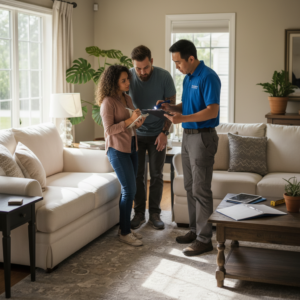
One of the most critical steps before photographing a property is thorough preparation, as it directly influences the impact of the images and the buyer’s perception. The foundation of effective real estate photography begins with staging and decluttering, which remove distractions and help potential buyers envision themselves living in the space. Removing personal items, excess furniture, and countertop clutter instantly makes rooms appear larger, cleaner, and more inviting. Depersonalization creates a neutral environment that appeals to a wider range of tastes, allowing buyers to focus on the home’s layout and architectural features rather than the current owner’s personal style.
Cleaning is equally essential to ensure that every surface looks pristine under high-resolution photography. This includes sweeping, vacuuming, mopping, dusting baseboards, air conditioning vents, ceiling fans, and other often-overlooked crevices. Windows and mirrors should be cleaned thoroughly to allow maximum natural light to flood the rooms and provide crisp, clear views in photos. Before the photographer arrives, it is also important to ensure that all light fixtures and lamps are working and fitted with bulbs of the same color temperature to maintain consistent lighting throughout the space.
Strategic furniture arrangement plays a pivotal role in enhancing the perception of space and flow within the home. Appropriately sized furniture placed away from walls can create depth and openness, making rooms appear larger and more functional in photos. Staging should highlight the home’s unique and desirable features such as fireplaces, built-ins, or custom cabinetry to draw attention and increase the property’s appeal. Additionally, adopting an open floor plan and maximizing natural light can significantly improve the ambiance and visual attractiveness of the interior.
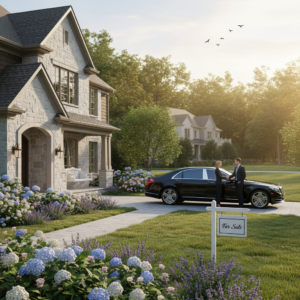
Exterior preparation is equally important since the property’s outside appearance forms the buyer’s first impression. Simple measures like straightening outdoor furniture, removing garbage bins, sweeping walkways, and decluttering porches or patios contribute to enhanced curb appeal and set the stage for stunning exterior shots. Overall, a clean, well-staged home not only photographs better but also tends to sell faster and at higher prices, giving sellers a competitive edge in the market.
To verify the effectiveness of the staging efforts, it is advisable to take test photos and review them with a real estate agent to identify any areas needing improvement before the professional photographer arrives. Following these preparation steps ensures that every room is primed and ready for its close-up, maximizing the visual impact of the listing images.
Essential Staging Tips for Capturing Stunning Real Estate Photos
Preparing a home for a real estate photoshoot is a critical step in attracting potential buyers and securing a faster sale. Effective staging enhances the property’s appeal by creating an inviting, spacious, and well-lit environment that photographs well and draws interest online. Below are essential tips to help capture stunning real estate photos.
Declutter and Depersonalize
The foremost priority is to remove personal items, excess furniture, and clutter. Decluttering makes spaces appear larger, cleaner, and more appealing by allowing the property’s best features to stand out. Depersonalizing helps potential buyers envision themselves living in the home, which can increase perceived value and buyer engagement.
Maximize Natural Light
Opening curtains, blinds, and shutters to let in as much natural light as possible brightens the rooms and creates a welcoming atmosphere. Natural light helps rooms look airy and spacious, which is crucial for compelling real estate photography. Additionally, cleaning the interior side of windows, mirrors, and glass tabletops ensures light is reflected effectively and surfaces appear pristine in photos.
Use Layered Lighting
When natural light is insufficient or to accentuate particular features, incorporating multiple layers of artificial lighting can add warmth and depth. This includes lamps, overhead lights, and directional lighting to highlight architectural elements such as fireplaces, staircases, or built-ins. Consistent color temperature in bulbs—preferably neutral or daylight-balanced—helps maintain a polished and cohesive look.
Tasteful and Minimal Accessories
Props should be used sparingly to avoid clutter or an artificial feel. Select tasteful accessories like decorative vases, area rugs, and artwork that complement the space without overwhelming it. These elements add character and help tell a story without distracting from the home itself.
Strategic Furniture Arrangement
Arranging furniture to maximize space and highlight key features enhances the room’s flow and functionality. Removing bulky or unnecessary pieces creates a better sense of openness and allows for easier visualization of the space’s potential by buyers.
Neutral and Polished Color Palette
A neutral wall color brightens the space and serves as a versatile backdrop, while a polished color temperature in lighting allows natural materials such as wood, stone, and metal to stand out. Using a cohesive, neutral palette can evoke feelings of tranquility and appeal to a broad audience.
Clean Thoroughly
A deep clean of all surfaces, including baseboards, vents, and fixtures, is essential to ensure the home looks fresh and well-maintained. Every light fixture and lamp should be functional with matching bulbs to avoid uneven lighting or shadows that detract from the photographs.
Reflective Surfaces and Mirrors
Mirrors and glass surfaces reflect light and can make rooms appear larger and brighter. Strategically placing mirrors can enhance the natural and artificial light, contributing to an inviting and spacious feel in photos.
Professional Photography and Post-Processing
After staging, hiring a professional photographer is vital. Their expertise in composition, lighting, and post-processing ensures that the property’s best features are accurately and attractively presented. Post-processing involves color correction, exposure adjustment, and perspective fixes to create compelling images without misrepresenting the home.
By implementing these staging tips, sellers can create captivating real estate photos that not only highlight the property’s strengths but also evoke emotional responses in potential buyers, significantly increasing the chances of a successful sale.
Furniture Arrangement and Decor Strategies
Effective furniture arrangement plays a crucial role in enhancing the appeal of real estate photographs by emphasizing a room’s standout features and improving the perception of space. Begin by identifying natural traffic patterns—paths people naturally take through the room such as doorways, between seating areas, or around key features like fireplaces or built-in shelving—and arrange furniture to complement these pathways rather than block them. This thoughtful placement helps the space feel more open and allows potential buyers to imagine moving comfortably within it.
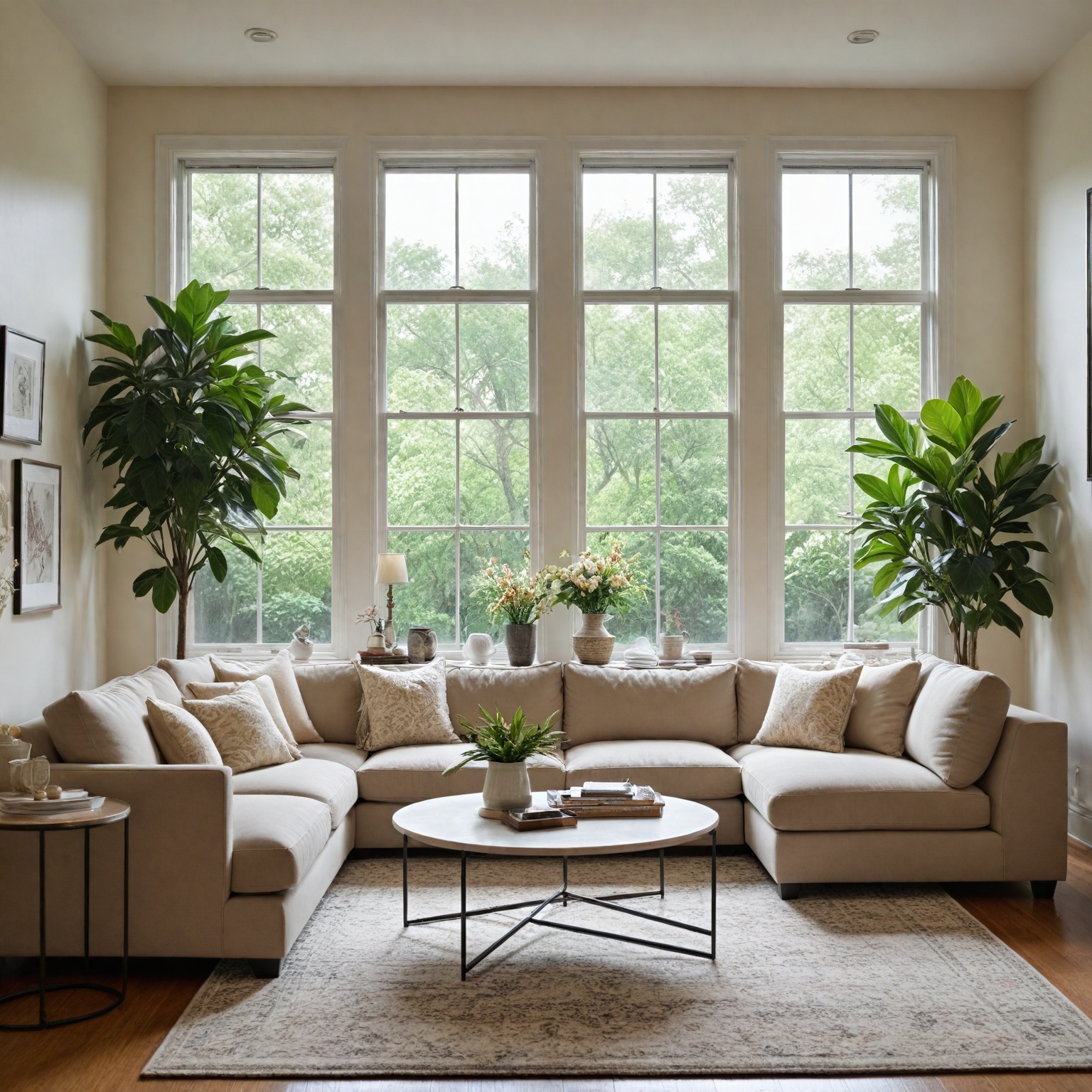
Choosing appropriately sized furniture is essential; large furniture in a small room can make the space feel cramped, while too-small pieces in a large room may leave it feeling empty and uninviting. Placing furniture slightly away from walls can create depth and openness, improving the room’s overall proportion and making it appear more spacious in photographs. For small spaces or rooms with limited natural light, opting for light-colored furniture and minimal window treatments helps maximize brightness, while furniture designs that allow light to pass above, beneath, or through them can prevent dark pieces from overwhelming a space.
Decor strategies should focus on complementing the color scheme and style of the room with carefully chosen accessories such as decorative vases, area rugs, and tasteful artwork. Mixing textures alongside color can add depth and visual interest, while understanding color psychology enables sellers to evoke the desired mood and highlight the home’s best features. Additionally, simple updates like ensuring window treatments are clean and coordinated with the room’s colors can enhance the overall aesthetic without significant expense.
Lighting is also integral to furniture and decor presentation. Using directional lighting can draw attention to architectural elements or focal points such as fireplaces or staircases. Selecting appropriate bulb colors—such as warm tungsten for a cozy feel or daylight-balanced bulbs for workspaces—can further enhance the mood and appearance of a room.
For vacant properties, virtual staging using AI tools offers a cost-effective and flexible solution to furnish and decorate spaces digitally. This technology allows for the addition of modern furniture styles and decor, helping potential buyers envision the property’s possibilities without the time and expense of physical staging. Professional virtual staging services can deliver high-quality, realistic images quickly, supporting effective marketing efforts.
Lighting Quality and Balance in Photography
Good lighting is fundamental to real estate photography, as it significantly influences how a property appears to potential buyers. Properly set up lighting can make a house feel warm and inviting, while poor lighting may render it cold and unwelcoming. Achieving ideal lighting involves maintaining a neutral and uniform tone by using light sources with consistent color temperatures; mixed lighting often results in unwanted blue and red color casts that require correction during post-production.
Natural light is generally preferred, especially when photographing indoors, with windows serving as the primary light source. Maximizing natural light by opening curtains, blinds, and shutters helps make rooms appear bright, airy, and spacious. Observing how sunlight changes throughout the day can help determine the best time for shooting, with midday often being optimal depending on the property’s orientation. Additionally, ensuring window treatments are clean and harmonize with the room’s color palette enhances the overall appearance in photographs.
When natural light is insufficient or needs to be supplemented, artificial lighting techniques can be employed to create various moods and highlight architectural features. Directional lighting can emphasize key elements such as fireplaces or staircases, while colored gels or filters can warm or cool the ambiance. Incorporating track lighting or recessed lighting paired with reflective surfaces can also contribute to a warm and inviting atmosphere.
Ultimately, thoughtful lighting not only enhances the aesthetic of each room but also helps potential buyers envision themselves living in the space. Professional photographers combine expertise, specialized equipment, and knowledge of lighting composition to capture images that stand out in the competitive housing market.
Color Schemes and Textures in Staging
Color plays a crucial role in home staging by transforming a space and evoking specific emotions that resonate with potential buyers. Understanding the psychology of color allows sellers to enhance their home’s best features and set the desired mood in each room, ultimately making the property more appealing and memorable. The right color scheme can influence how buyers perceive the space, creating an inviting atmosphere that encourages positive emotional responses.
Incorporating a variety of textures alongside color schemes adds depth and visual interest to a room. Mixing textures can complement the chosen colors, enriching the overall aesthetic and making the environment feel more dynamic and layered. This blend not only enhances the sensory experience but also highlights key design elements that might otherwise go unnoticed.
Cultural associations with certain colors should also be considered, as they can affect buyers’ perceptions differently depending on their backgrounds. For example, red may symbolize good luck in some cultures while evoking caution in others. Thoughtful color selection paired with strategic lighting can accentuate these effects, using natural or artificial light to add depth, texture, and mood to staged spaces.
By carefully selecting harmonious color schemes and combining them with diverse textures, home stagers can curate moods that appeal broadly to target audiences, whether aiming for tranquility through soft golden hues or minimalism through clean, neutral palettes. This approach helps create a compelling visual narrative that draws in buyers and enhances the home’s marketability.
Décor Elements and Accessories That Enhance Photos
Careful selection and placement of décor elements and accessories can significantly improve the visual appeal of real estate photographs. One effective strategy is to incorporate mirrored furniture or reflective surfaces, which multiply natural and artificial light throughout the room, making spaces feel brighter and more inviting. Ensuring that mirrors and glass tabletops are clean and free from smudges enhances their reflective quality and maximizes light diffusion in the images.
Using a neutral color palette is another crucial element, as it creates a calming and cohesive backdrop that appeals to a broader audience. Neutral tones allow natural materials like wood, stone, and metal to stand out, lending an upscale and polished look to the space. It is also important to avoid mixing too many color stories within a room, as this can lead to visual noise and detract from the overall harmony of the photograph.
Accessories such as a simple bowl of fruit can introduce a subtle pop of color without overwhelming the scene. Selecting a single color for items like apples or lemons keeps the look coordinated and inviting. This touch can also add warmth and personality during open houses, while maintaining the neutral and staged aesthetic required for photos.
Maintaining clean, visually appealing window treatments is essential as well. While expensive replacements are unnecessary, window coverings should be tidy, match the room’s color scheme, and allow maximum natural light to enter. Combined with decluttering and carefully arranged furniture, these décor choices help highlight a room’s best features—such as fireplaces, windows, or built-in shelving—making the space feel larger and more attractive in photographs.
Ultimately, the thoughtful use of décor and accessories supports the creation of warm, inviting, and professionally staged interiors that resonate with potential buyers and enhance the impact of real estate photography.
Common Mistakes to Avoid
One of the most frequent errors in real estate photography is neglecting proper property preparation before the photo shoot.
The content is provided by Sierra Knightley, Brick By Brick News