
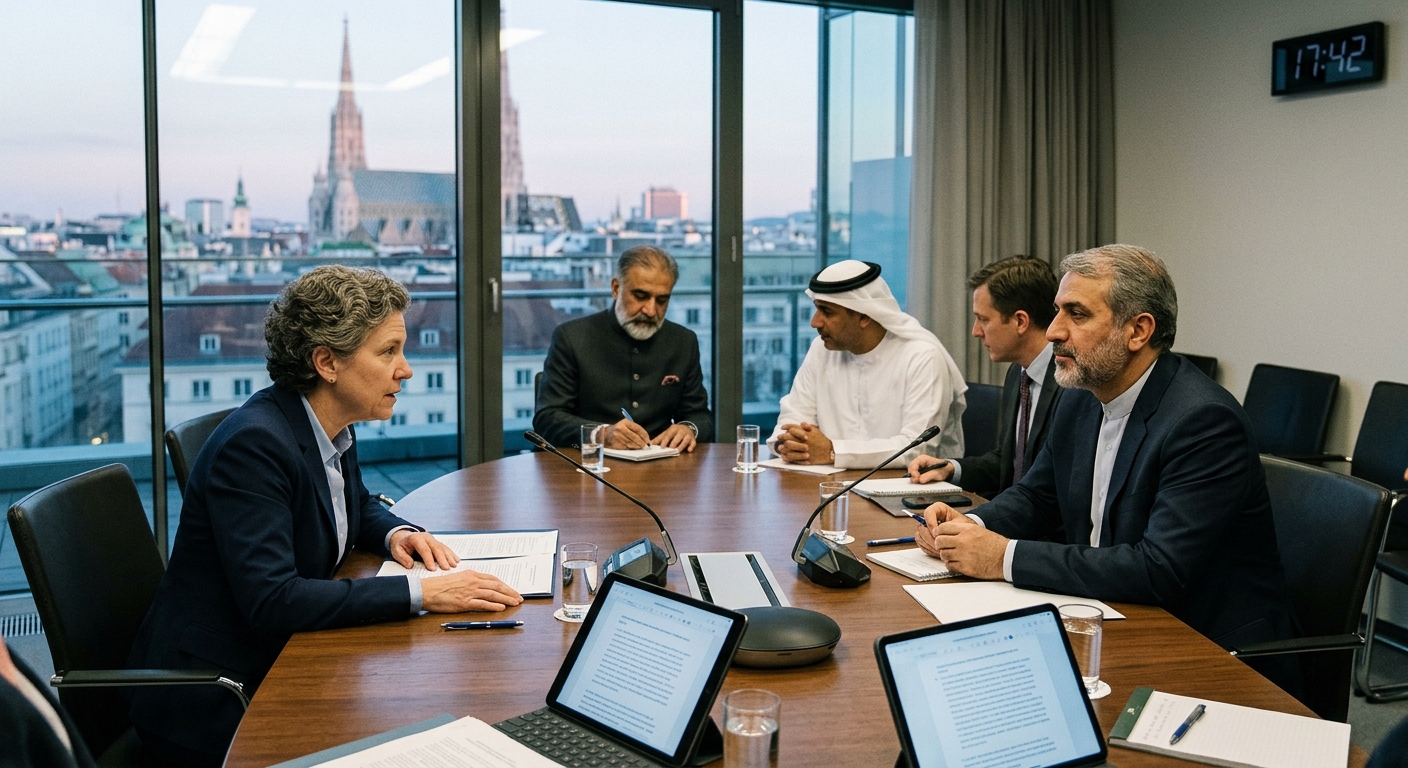
Ceasefire and Nuclear Agreement Summary
The United States and Iran are pursuing a 60-day ceasefire extension and a potential nuclear agreement amid escalating geopolitical tensions. This effort follows significant hostilities, particularly Iran’s missile and drone strikes on Israel in April 2024. While the ceasefire has proven fragile, it is crucial for maintaining stability during ongoing diplomatic negotiations regarding Iran’s nuclear program and regional security challenges, including freedom of navigation in the Strait of Hormuz.
Current Tensions and Conflict Background
Tensions have escalated sharply, particularly after Iran’s unprecedented attacks on Israel. The 2015 Joint Comprehensive Plan of Action (JCPOA), which sought to limit Iran’s nuclear capabilities, has unraveled since the U.S. withdrawal in 2018, leading Iran to advance its nuclear activities. Renewed diplomacy in 2024 aims to address existing gaps and establish an interim nuclear framework, despite complex military and political dynamics exacerbated by regional conflicts and international scrutiny over Iran’s actions.
Challenges of Ceasefire Extension
The initial ceasefire agreement, introduced on April 5, 2024, faced immediate challenges, including sporadic conflicts. Notably, negotiations have drawn in key regional players to facilitate discussions. The U.S. has indicated a willingness to extend the ceasefire, contingent on Iran’s actions, although the talks have encountered resistance from hardline factions within Iran and external pressures related to U.S. domestic politics.
Complexities in Nuclear Negotiations
The ongoing negotiations build on the framework established by the JCPOA, aiming for a comprehensive inspection and monitoring regimen under the International Atomic Energy Agency (IAEA). Recent rounds facilitated by Iraq and Oman have focused on potential sanctions relief and security guarantees. However, debates remain over Iran’s missile program and responses to its regional activities, highlighting the challenges of achieving a sustainable resolution.
Domestic Political Dynamics in Iran
Iran’s political landscape complicates negotiations, with factions resistant to concessions countering efforts for diplomatic engagement. Hardliners criticize any agreement that allows for future nuclear development, while moderates push for compromise to alleviate economic difficulties. This internal strife contributes to a fragmented approach in negotiations, hindering a unified Iranian strategy in discussions with the U.S. and its allies.
Impact of Public Sentiment on Diplomatic Efforts
Widespread dissatisfaction among the Iranian populace, marked by protests and low electoral participation, is shaping government legitimacy. Public perception of foreign policy, particularly regarding hostilities with the U.S. and Israel, influences the internal discourse around nuclear negotiations. The government faces pressure to balance military responses with the risks of escalation, affecting prospects for sustained progress in diplomacy.
International and Regional Implications
The fragile ceasefire has drawn global attention, particularly from Gulf states concerned about energy security amid rising fuel prices. Regional players are actively working to mediate the situation while grappling with Iran’s retaliatory actions that pose risks to stability. The international community remains vigilant about Iran’s nuclear ambitions and its regional activities, emphasizing the interconnectivity of these issues with broader security dynamics.
Long-term Consequences and Future Outlook
Extending the ceasefire and reaching a nuclear agreement could lead to significant geopolitical shifts and economic impacts, particularly in energy markets. However, ongoing tensions and divergent preferences between U.S. and Iranian policymakers remain significant obstacles. Future negotiations will likely focus on both nuclear issues and regional conduct, determining the viability of long-term peace in the Middle East through sustained diplomatic efforts.