
Summary of Legal Controversy
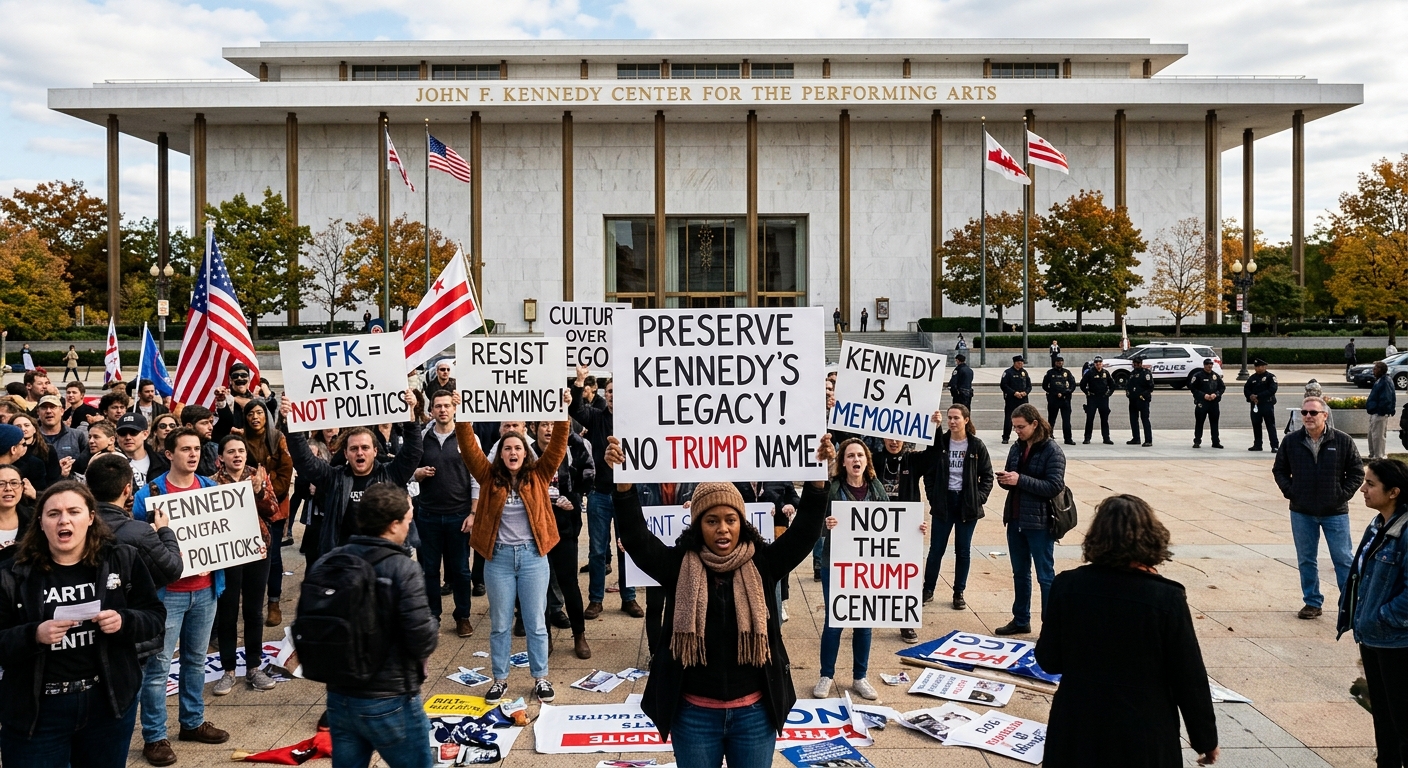
The Kennedy Center’s decision to rename itself after Donald Trump in December 2025 faced swift backlash, leading to a legal challenge from Representative Joyce Beatty. Critics, including the Kennedy family and cultural organizations, argued the renaming undermined its purpose as a tribute to John F. Kennedy. A ruling in May 2026 reinforced that changes to the Center’s name require congressional approval, thereby blocking Trump’s name from official use and stalling planned renovations.
Legal Proceedings and Court Ruling
Representative Joyce Beatty challenged the Kennedy Center’s decision to rename itself, which a federal judge, Christopher Cooper, ruled as unlawful. He emphasized that the Center’s status as a memorial to Kennedy prevents unilateral changes without congressional action. The ruling mandated the removal of Trump’s name from all materials within 14 days, clarifying that any name changes must align with federal statutes and Congressional oversight, emphasizing the separation of powers in governance.
Reactions from Stakeholders
The court’s decision spurred widespread dissatisfaction among artists, many of whom withdrew support and canceled performances in protest of Trump’s involvement with the Center. The Board of Trustees faced scrutiny regarding their commitment to the Kennedy Center’s mission, with accusations of politicization due to Trump’s influence. Following the ruling, the Kennedy Center indicated plans to appeal, reinforcing the ongoing dispute over its identity and governance amidst declining public interest.
Historical Context of Governance
Established by Congress as a living memorial, the governance of the Kennedy Center is constrained by statutory requirements that protect its identity. The Board, appointed by the President, must operate within these legislative frameworks. Unlike private institutions, public entities face stricter regulations concerning naming and governance, highlighting the complexities involved when political figures seek to influence cultural landmarks.
Implications for the Future
The legal ruling has significant implications for the Kennedy Center’s governance, reinforcing the necessity for legislative approval regarding its naming and operational changes. This case serves as a precedent for federally designated memorials, emphasizing the need for transparency and respect for statutory authority. The Center’s leadership plans to appeal, reflecting continuing tensions in balancing political influence with the preservation of the institution’s foundational legacy.
Ongoing Controversies
The recent events surrounding the Kennedy Center have ignited ongoing debates about governance and political influence in federal institutions. Legal challenges emphasize the complexities involved when public naming rights are concerned, especially when bypassing established procedures. The political landscape continues to shape the Center’s direction, with calls for governance that reflects its commitment to the American public and to preserving its historical significance.