Overview of Policy Proposal
Between 2025 and 2026, the Trump administration proposed withdrawing Customs and Border Protection (CBP) staffing at major U.S. airports in sanctuary cities to reduce immigration processing. Airports like Newark, Los Angeles, and San Francisco were targeted, which raised concerns about severe disruptions in international travel, commerce, and tourism. Critics argued this tactic was aimed at pressuring local governments to comply with federal immigration enforcement, highlighting the conflict between federal and local jurisdictions.
Industry Response
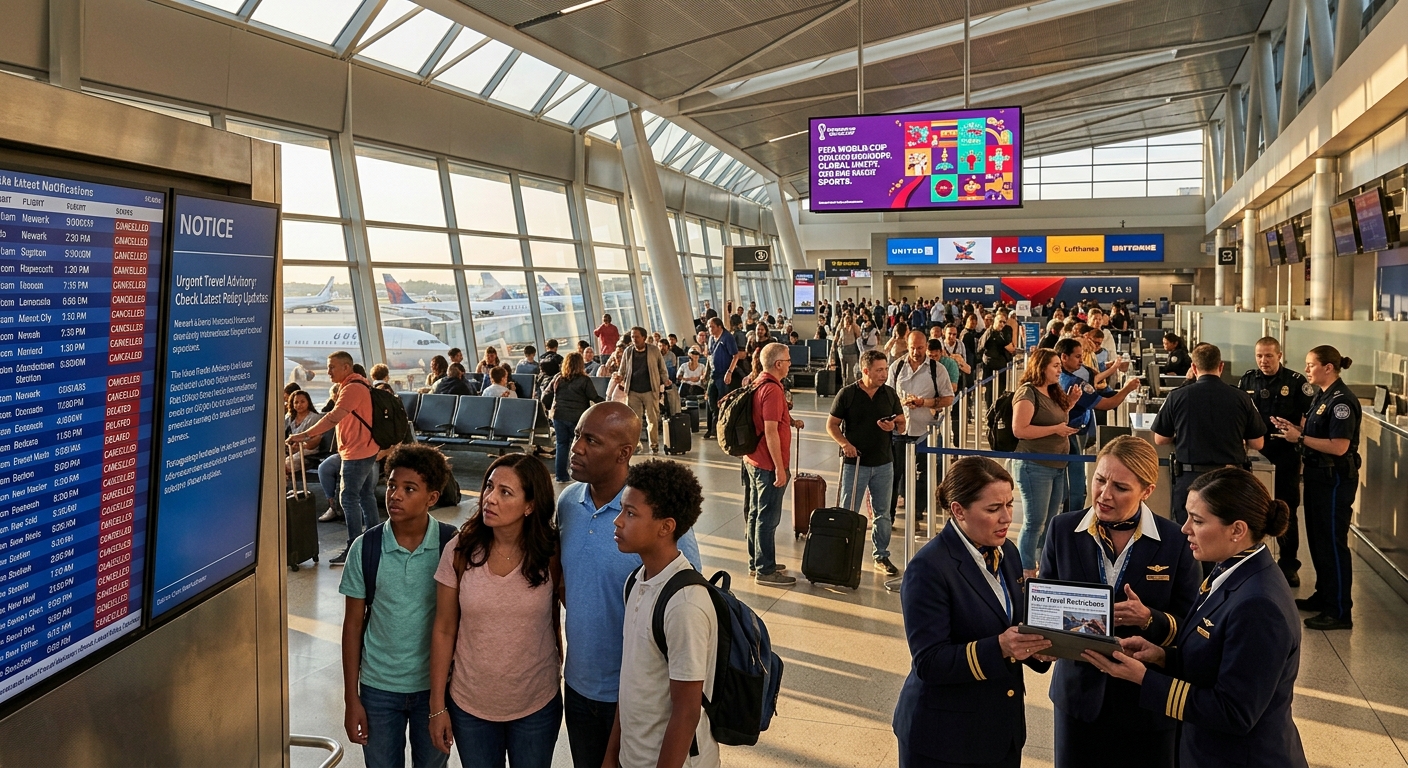
The airline and travel industries reacted rapidly and negatively to the proposal. Organizations like Airlines for America warned of substantial operational chaos, particularly with the FIFA Men’s World Cup approaching, which could draw millions to U.S. cities. The potential suspension of flights raised alarms not just for carriers, but also for local economies heavily reliant on international visitors.
Legal and Regulatory Issues
Withdrawing CBP personnel raised complex legal questions about federal immigration authority and the impact on aviation agreements. The integrity of the U.S. aviation system could be compromised, as airlines emphasized that halting immigration processing would create significant operational hurdles without necessarily influencing immigration policy. This created tension between federal directives and local governance, suggesting a need for a balanced approach to both operational integrity and legal compliance.
Political Reactions
The administration’s approach ignited significant political backlash, with critics accusing it of using immigration enforcement as a political weapon. Democratic lawmakers expressed concern about the implications for international air travel and tourism, especially amid heightened tensions surrounding immigration policy. Internal disagreements within the administration further complicated discussions about the policy’s implementation.
Economic Impact
The proposed measures threatened the economic viability of the aviation and tourism sectors. Reducing CBP staffing could disrupt flights, risking losses for airlines, hotels, and local businesses that benefit from international tourism. The repercussions extended beyond immediate operational delays, affecting long-term economic conditions for communities dependent on global travel.
Summary of Dispute Dynamics
The administration’s tactics reflected a broader strategy of leveraging immigration policies to coerce compliance from sanctuary cities. By proposing harsh measures against major air hubs, it intensified the already complex dialogue between federal and local governments regarding immigration enforcement. This dynamic illustrates the challenges of reconciling policy goals with practical realities in aviation and tourism.
Outcome of the Proposal
Despite significant pushback, including from airlines and senators, the administration ultimately did not advance the proposal. Concerns about severe disruptions to air travel ahead of major events like the FIFA World Cup contributed to the decision. This episode underscored the delicate balance between immigration policy enforcement and the operational needs of international air travel, revealing the complexities of governance in a politically charged environment.