
Summary
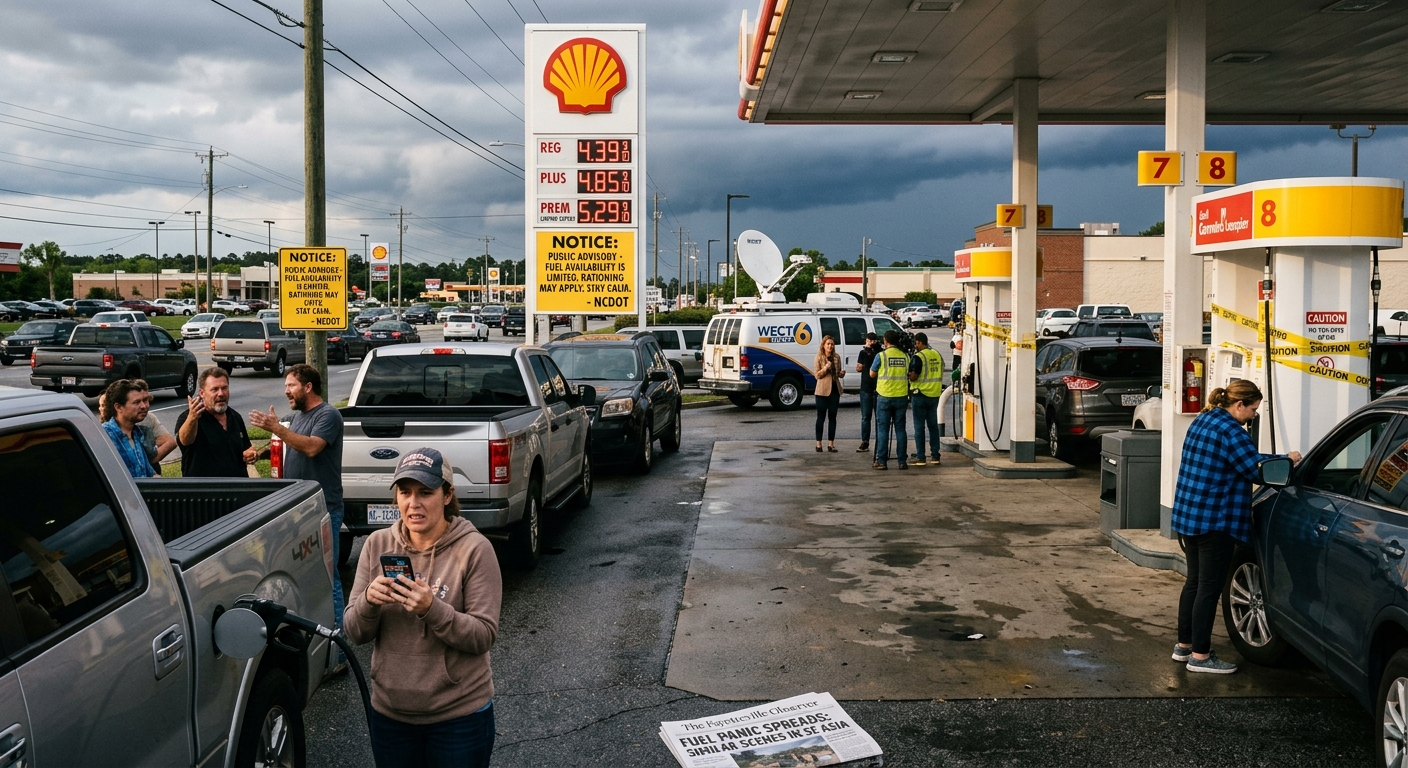
The recent episode, “Calm Amidst Chaos: Government Assures Adequate Fuel Supplies as Panic Buying Escalates in Certain States,” highlights significant challenges in fuel supply management during perceived energy shortages. Localized panic buying in the U.S., particularly in southeastern regions, was triggered by events like the Colonial Pipeline cyberattack. Although national reserves remain sufficient, public anxiety led to temporary shortages and a disproportionate response to genuine availability, revealing vulnerabilities in fuel supply networks globally, especially in energy-import dependent areas of Asia.
Government Response
Governments are pivoting toward clear and consistent communication strategies to alleviate public anxiety during fuel shortages. By addressing concerns directly and fostering a sense of control, officials aim to counteract panic without increasing fear. However, mixed messages and misinformation can undermine these efforts, so unified communication across all government levels is essential to maintain public confidence and promote responsible consumer behavior.
Effective use of social media can enhance crisis communication, but it can also spread misinformation rapidly, complicating public trust. To enhance understanding, governments must clearly explain the causes of shortages and proposed measures while encouraging conservation practices to alleviate pressure on supply chains.
Public and Media Reaction
The media’s portrayal of fuel shortages has significantly influenced public perception and contributed to panic buying behavior. Coverage showcasing empty shelves and long queues can trigger emotional responses, exacerbating consumer fears and leading to more stockpiling. Public officials have attributed panic buying to rumors and electoral uncertainties, revealing how psychological factors can shape consumer behavior during crises.
While some media reporting aims to mitigate panic buying, the repeated focus on shortages can ironically escalate public concern. This underscores the nuances in communication strategies necessary for effective crisis management, highlighting the role of both traditional and social media in shaping narratives about energy availability.
Economic Effects
Rising fuel prices have considerable repercussions on the U.S. economy, affecting transportation costs and driving inflation. Key sectors such as agriculture and freight suffer the most as fuel costs rise, prompting companies to adopt measures like bulk contracts to stabilize expenses. These approaches can safeguard businesses from price volatility while preserving budget predictability, crucial for operational continuity.
Government interventions, including strategic petroleum releases and regulation adjustments, are vital to stabilize the economy amid fluctuations. Amid current challenges, promoting energy efficiency remains a core approach, although efforts like remote work have shown limited impact on overall consumption. Policy shifts toward renewable energy and coal-based alternatives are also being explored to diversify energy sources and safeguard against future crises.
Comparative Analysis with Past Energy Crises
Current energy supply challenges draw parallels with historical crises, such as the 1973 oil embargo and the 2000s energy crisis. While the core issues of supply disruptions and inflation persist, modern crises are complicated by digital information dynamics that influence public perception unlike in the past. The rapid spread of contradictory information through social media necessitates new forms of crisis communication that can effectively engage the public and manage misinformation. Clear and credible communication from authorities plays a critical role in shaping public compliance during energy shortages.
Long-Term Solutions and Future Outlook
To enhance long-term resilience in energy supply chains, governments are focusing on strategies that extend beyond crisis management. The experience from recent global events underscores the necessity of robust frameworks that can withstand both unexpected disruptions and repetitive challenges. This proactive approach is essential for fostering energy stability and preventing future crises from escalating into widespread panic.