
Summary
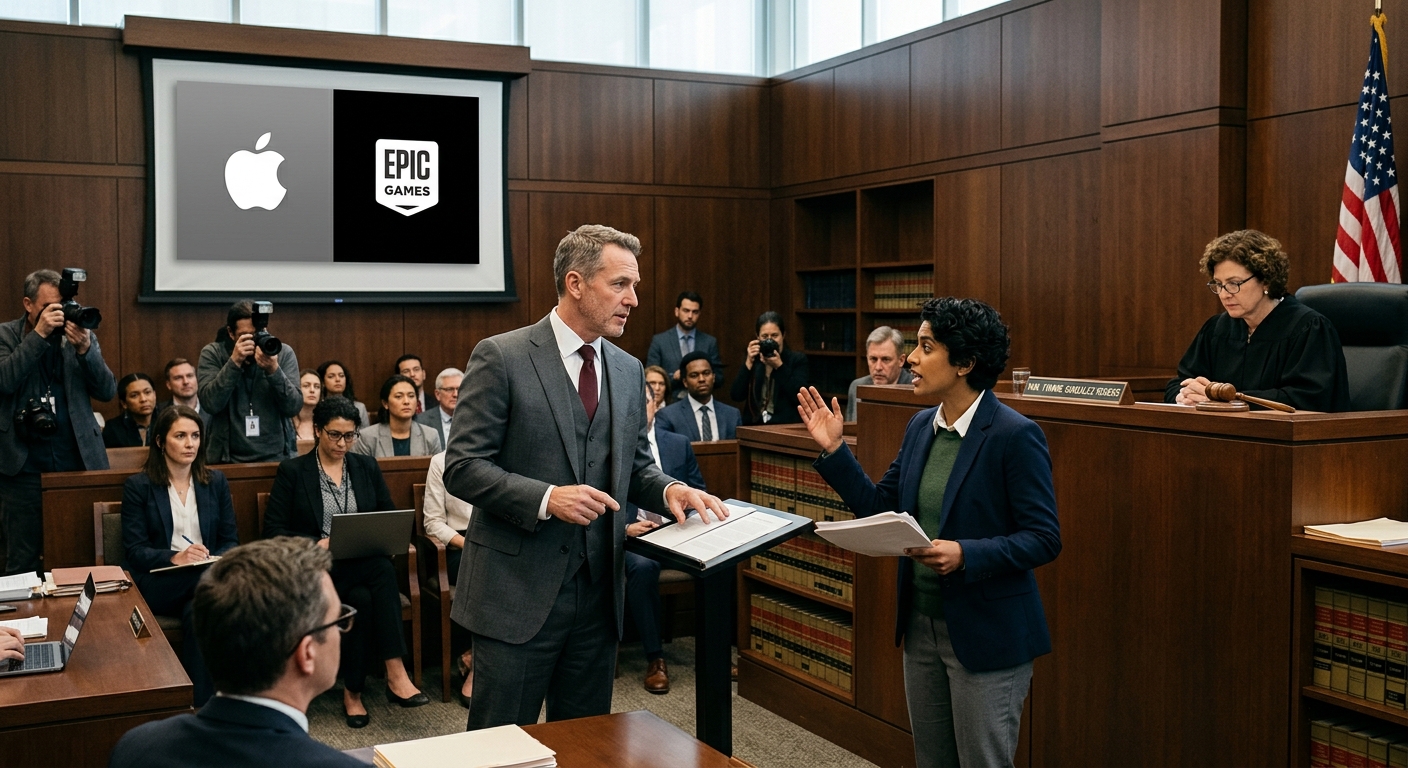
The legal conflict between Apple Inc. and Epic Games, initiated in August 2020, revolves around Apple’s App Store policies that mandate using its in-app payment system with a 30% commission. Epic’s introduction of a direct payment option in Fortnite led to its removal from the App Store and a subsequent antitrust lawsuit, claiming Apple’s practices were monopolistic. This case represents a pivotal shift in digital marketplace governance, affecting developers and consumers by challenging existing policies that are perceived to limit competition and choice.
Apple defends its App Store model as vital for ensuring user safety and maintaining a trusted platform, emphasizing that the commission structure supports the infrastructure and quality standards essential for a secure digital environment. Epic, along with other advocates, argues that this control hinders innovation, pushing for alternative payment methods and independent app distribution. The case has seen mixed rulings, rejecting monopoly claims while addressing Apple’s anti-steering policies, driving ongoing appeals and scrutiny.
Background
The dispute started when Epic altered Fortnite to bypass Apple’s in-app payment system, avoiding the 30% commission. This strategic move prompted Apple to remove the game, resulting in Epic filing a lawsuit claiming monopolistic practices. Epic’s contention focuses on the exclusivity of the App Store as the only sanctioned platform for iOS app distribution, which limits competition and consumer choice.
Apple argues that its policies ensure safety and quality, contending that a curated App Store protects users from malware and provides developers a vast market. Epic’s founder has criticized Apple’s commission as excessively high, which he believes burdens developers and consumers alike. The legal proceedings opened windows into corporate strategies, intensifying the debate over marketplace equity and app distribution power.
The Lawsuit
Epic’s lawsuit targets Apple’s requirement of using its payment system, arguing it creates an anticompetitive environment. The court recognized Apple’s dominant market position but concluded it does not constitute a monopoly under federal antitrust law. However, it mandated changes to allow developers to direct users to alternative payment methods, although further disputes over commission fees continue.
Both company appeals reflect their contrasting views on competition and revenue models, involving support from various stakeholder groups for Epic’s position. Public revelations during the trial have raised significant questions about Apple’s financial practices and its implications for developers navigating the App Store’s ecosystem.
Apple’s Position on App Store Rules
Apple asserts that the App Store’s exclusivity is crucial for ensuring compliance with legal standards and maintaining user safety. The company continues to impose a commission on transactions made via external links, arguing that it provides developers with substantial value. Despite legal challenges, Apple emphasizes the need for these policies to sustain the safety and integrity of the platform, which serves over a billion users worldwide.
Apple’s policies also adapt continuously in response to environmental changes, indicating a willingness to refine rules while maintaining core principles that prioritize user security and service reliability. The company argues that any forced changes could undermine the overall benefits that the App Store provides to consumers and developers alike.
Court Proceedings
The case highlighted significant issues surrounding Apple’s control of the App Store and alternative payment methods. Rulings confirmed some of Apple’s practices were questionable but also allowed it to impose a commission on external payments. Epic criticized Apple’s attempts to delay compliance and underscored the ongoing struggle over developer freedoms and the conditions under which apps are distributed.
The Ninth Circuit Court’s decisions illustrate the complexities of antitrust law as it applies to digital marketplaces, fostering ongoing discussions about fair competition and user rights in technology. The contrasting approaches of both companies offer insights into the broader implications for app ecosystem governance.
Reactions and Implications
The case initiated a robust dialogue among developers and industry leaders about platform power and monetization strategies. Epic emphasizes that the lawsuit symbolizes the fight for consumer rights to choose app sources and payment methods, potentially liberating developers from strict commission structures. Early responses from developers reveal opportunities to boost revenue significantly while balancing compliance and operational complexities presented by adapting to external payment systems.
Apple has positioned its commission structure as essential for maintaining security and service quality, despite varying internal opinions on the long-term sustainability of such a model. The evolving payment landscape poses challenges that could affect both pricing strategies and the overall developer experience within Apple’s ecosystem.
Related Legal and Regulatory Context
The ramifications of the Apple-Epic case extend globally, especially as the U.S. Supreme Court upheld lower court decisions regarding Apple’s anti-steering provisions. This ruling signifies a shift towards more open marketplaces, challenging established power dynamics. It raises questions about future compliance and operational adjustments for Apple amidst increasing scrutiny from various regulatory bodies worldwide.
Apple faces numerous legal battles, including investigations by the U.S. Department of Justice and various international authorities. These challenges highlight the broader implications of the lawsuit that could reshape the competitive landscape for app distribution and the digital economy.
Outcome and Current Status
The Epic Games v. Apple case produced a landmark ruling that favored Epic in specific antitrust matters, particularly regarding payment practices. The injunction allowing developers to link to alternative payment methods marks a significant shift, empowering more equitable competition. Apple’s ongoing appeals and imposed commission still create tension as developers navigate the implications of the court’s decisions.
Following the legal proceedings, Epic announced the return of Fortnite to the App Store, symbolizing a broader victory for developers seeking fairer revenue opportunities. The ongoing scrutiny surrounding Apple’s practices demonstrates how this case has the potential to redefine the future of app distribution and competition within the technology industry.