Summary
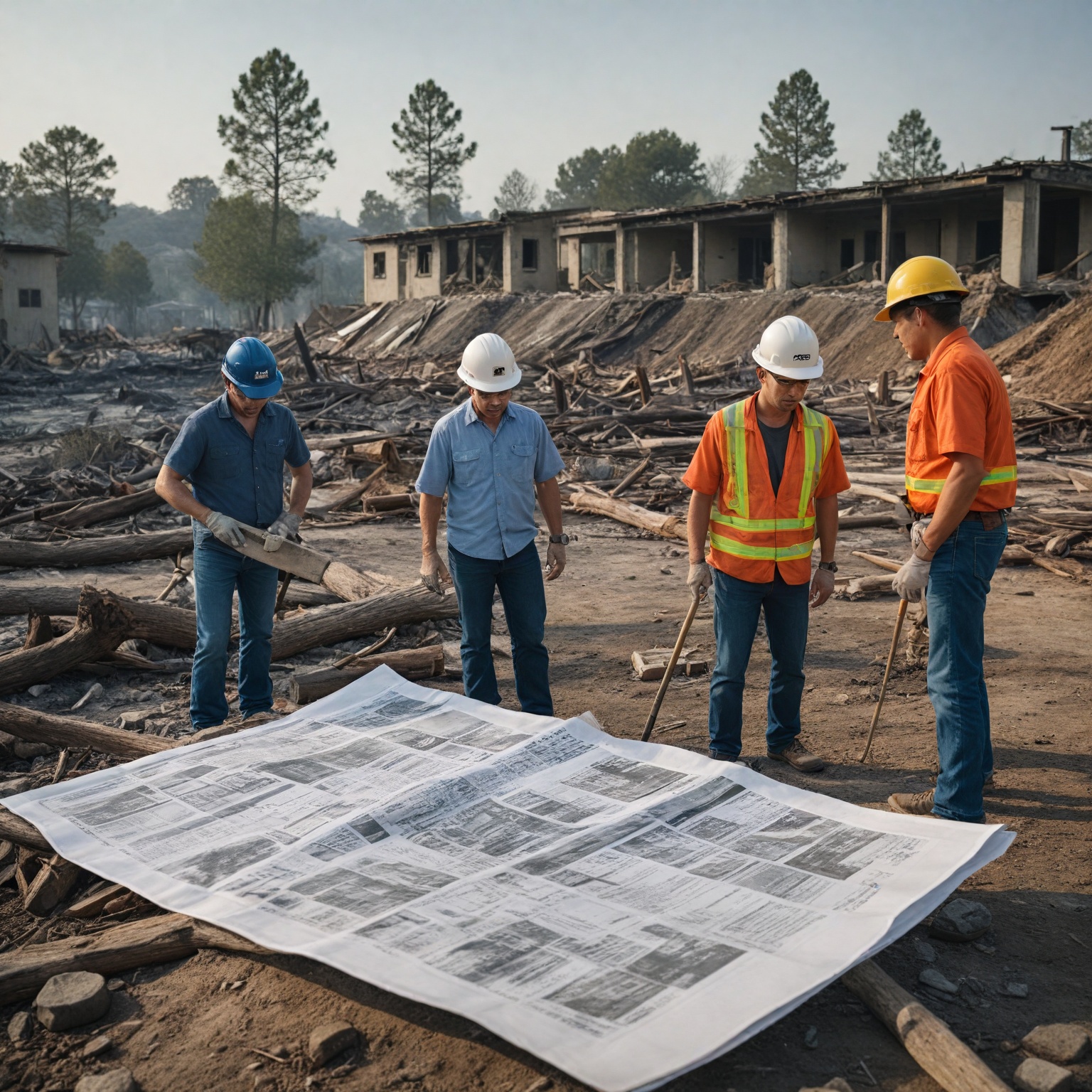
“Reviving the City of Angels: Reconstructing LA Post-Fires for a Bright Future” focuses on the challenges and opportunities in rebuilding Los Angeles (LA) following the devastating wildfires that began in early January. The fires, which consumed both wildland and urban areas and caused an estimated loss of between $250 billion and $275 billion, are linked to climate change, exceptionally dry conditions, and strong Santa Ana winds. The fires’ severe impacts resulted in the loss of lives, thousands of buildings, and led to the displacement of tens of thousands of people. The disaster revealed vulnerabilities in the city’s expansive urban sprawl, vegetation management, and water system infrastructure.
The reconstruction of LA presents an opportunity to create safer, more sustainable communities. The rebuild strategy considers a variety of factors including climate risk, community engagement, insurance availability, and combating the spread of misleading information. The California Department of Insurance (CDI) is expected to address the insurance crises through the implementation of the Sustainable Insurance Strategy. Notably, the LA County Community Disaster Resilience (LACCDR) initiative focuses on strengthening neighborhoods, supporting displaced families, and implementing long-term solutions.
Recovery efforts involve re-envisioning the future of the affected spaces. Measures such as designing fire-resistant homes, expediting reconstruction efforts, and supporting residents through private sector initiatives such as Steadfast LA have been proposed. Strategies to address deficiencies revealed during the wildfires, such as strengthening roads for better evacuation routes and upgrading water systems, have also been emphasized.
Equity partnerships play a critical role in the reconstruction, offering innovative market approaches to overcome challenges associated with the aftermath of the wildfires. These partnerships, which involve homeowners and equity partners, reduce the cost of property ownership and ensure the incorporation of the best standards in mitigation during the rebuilding process. Such collaborations, encouraged by initiatives like the California Wildfire & Forest Resilience Task Force and the LA Order, are crucial for the successful implementation of these strategies and ensuring a more sustainable future for LA.
Background and Causes of Fires
Los Angeles, one of the largest cities in California, experienced devastating wildfires that began in early January. These fires affected both wildland and urban areas, consuming vegetation and buildings alike. One of the most significant fires began in the northern area of Los Angeles County near Castaic Lake, causing an estimated total loss between $250 billion and $275 billion.
There is no definitive cause identified for these fires, and thus far, arson or utility lines have not been officially acknowledged as the cause. The Thomas Fire in 2017, one of the largest fires in California’s history, was ignited by power lines from Southern California Edison that came into contact during high winds.
Exceptionally dry conditions and strong Santa Ana winds contributed to the severity and spread of the fires. Southern California experienced prolonged drought, and an exceptionally dry winter, conditions that were amplified by climate change. Notably, downtown Los Angeles received only 0.16 inches (0.4cm) of rain since October, coupled with powerful offshore gusts known as the Santa Ana winds, creating ripe conditions for wildfires. The Santa Ynez Reservoir was also closed for maintenance and empty when the fire broke out, resulting in some fire crews’ hoses running dry.
Climate change has accelerated the frequency and intensity of wildfires, particularly in regions like Los Angeles, where microclimates are highly susceptible to environmental shifts. The long-term impacts of these fires are predicted to have significant effects on the environment. As fire seasons grow longer and more intense due to climate change, reconstruction efforts following such disasters must prioritize sustainability.
Impact of the Fires on Los Angeles
The Los Angeles wildfires have resulted in severe impacts across the region. The fires led to the loss of at least 25 lives and destroyed thousands of buildings, forcing tens of thousands of people to flee their homes. The largest fire, in the Pacific Palisades area, was recorded as the most destructive fire in the history of Los Angeles.
The geographical location of Los Angeles, situated between dry deserts and sprawling forests, makes the city especially susceptible to wildfires. The local disaster, driven by factors such as the Santa Ana winds, affects not only Los Angeles but also connects regions, ecosystems, and human communities globally. The coastal zones are particularly affected, with wildfire-related pollutants contributing to the creation of “dead zones”, where marine life struggles to survive due to depleted oxygen levels.
The expansive urban sprawl, resistance to clearing vegetation around homes, and an ill-equipped water system left Los Angeles vulnerable to these disastrous fires. Roads need to be strengthened for better evacuation routes, utilities should be placed underground to prevent fire-starting sparks, and water systems need to be upgraded to support firefighting efforts.
Challenges in Rebuilding Post-Fires
Rebuilding the City of Angels following the wildfires represents a unique opportunity to build a safer and more sustainable future for the residents of Los Angeles. This effort, however, is not without challenges. Incorporating climate risk into the rebuilding efforts, insurance availability, and misleading information and politicization of wildfire incidents pose significant challenges.
Despite these challenges, initiatives like the interagency California Wildfire & Forest Resilience Task Force, led by Lisa, the Deputy Secretary for Forest and Wildfire Resilience, show promise. This task force aims to prevent catastrophic wildfires and create safer, healthier, and more sustainable natural environments.
Rebuilding and Recovery Efforts
The reconstruction of communities across the burn scar of Greater Los Angeles opens up the possibility of re-envisioning the future of these spaces. The LA Order defines “Eligible Projects” as reconstruction endeavors taking place in locations where structures have been lost to wildfires, with the goal of rebuilding no more than 110% of the original structure’s square footage, height, and bulk.
In response to the wildfires, LA’s most influential business and civic leaders came together to launch Steadfast LA. This unique organization leverages the private sector’s expertise, influence, and power to expedite the rebuilding of these communities and reestablish residents in their homes.
One of the potential solutions to the housing issue is the construction of Accessory Dwelling Units (ADUs), also known as granny flats or second units. These units are cost-effective compared to building new homes and can be offered as rental housing.
Role of Equity Partners in Reconstruction
Housing partnerships could offer an innovative market approach to overcome challenges associated with mitigation in the aftermath of the wildfires . These partnerships involve the homeowner bringing in an equity partner, effectively reducing the downpayment and mortgage, thus making property ownership more affordable .
The collaborative partnerships between equity partners, homeowners, community, and other County agencies, initiated and sustained throughout the process, are crucial for the successful implementation of these strategies . Governor Gavin Newsom’s California Wildfire & Forest Resilience Task Force sets an excellent precedent of such collaboration .
The content is provided by Jordan Fields, Brick By Brick News