Summary
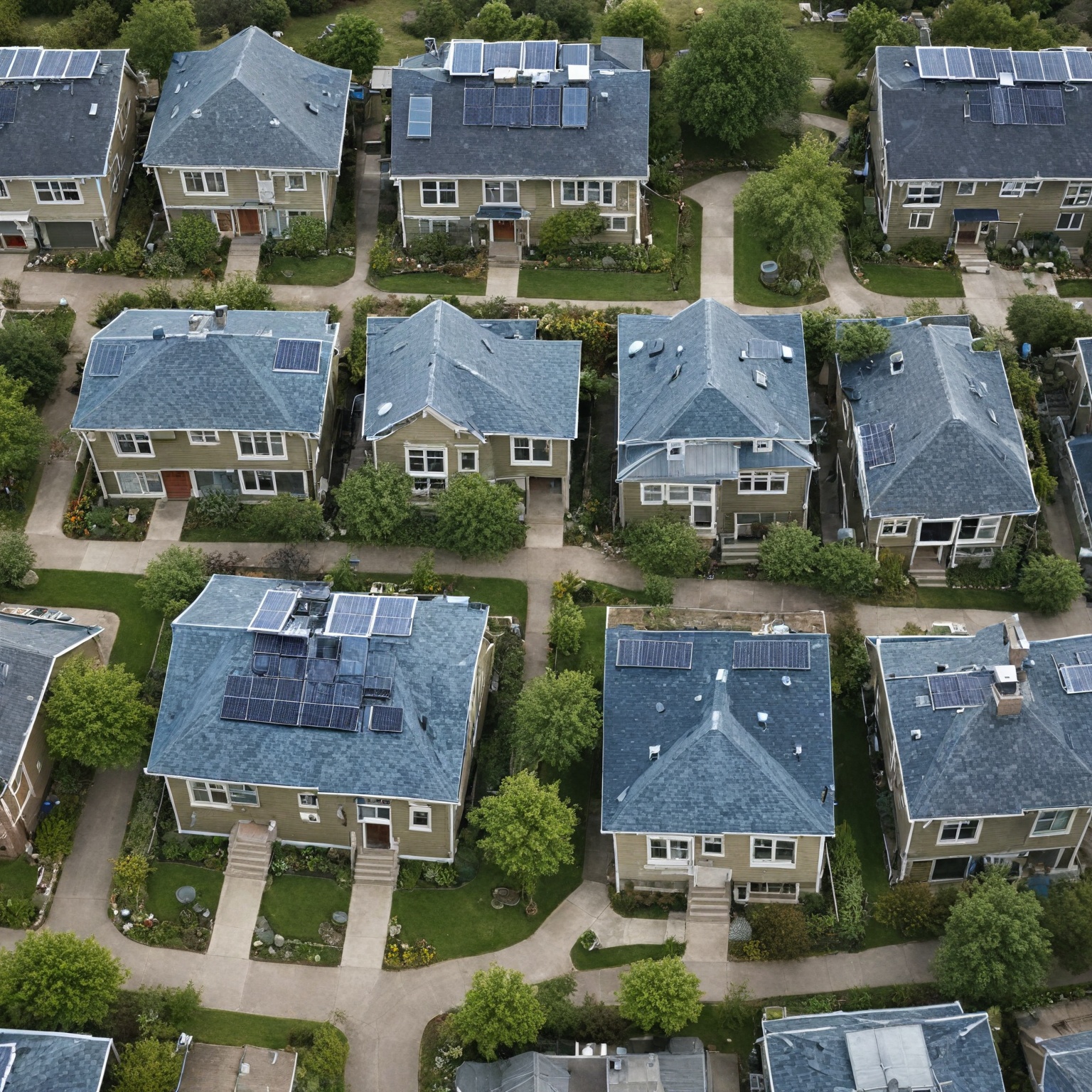
“Unlocking the Housing Market Potential: Are Sustainable and Green Homes the Game-Changer?” examines the growing significance and consumer interest in sustainable and green homes within the housing market. Sustainable homes, aimed at reducing environmental impact and enhancing quality of life, have gained momentum due to their potential benefits, such as energy efficiency, health outcomes, and longevity. However, consumer perceptions and understandings of such homes often suffer from communication gaps, leading to a significant market failure. This failure can result in higher energy costs, adverse health effects, and compromised quality of life for consumers.
This article investigates how a more comprehensive understanding of consumers’ perceptions and the strategic alignment of business sustainability with consumer demand can lead to significant progress in the housing market. Key market conditions, governmental policies, and the role of technology are also explored in order to identify pathways towards resolving the existing market failure. Evidence suggests that sustainability initiatives, such as GE’s ‘Ecomagination’ program, can highlight potential solutions to align business practices with consumer demand for sustainability. The successful integration of green homes in the housing market will depend on providing sustainable housing options and effectively communicating their benefits to consumers.
Prominent discussions in this article also include the role of technological innovations in promoting green homes, the impact of financial incentives on the adoption of renewable energy technologies, and the influence of sustainable homes on housing market trends. This exploration presents an opportunity to better understand how sustainable and green homes can potentially unlock the housing market’s potential and revolutionize the industry. The increasing demand for green homes reflects a growing consumer consciousness about environmental impacts, emphasizing the potential of sustainable living choices to contribute to a more sustainable future.
Overall, the increasing global shift towards sustainable and green homes signifies a major turning point in the housing market. Despite existing challenges in consumer understanding and market integration, the continued progression in policy, technology, and sustainability initiatives indicate a promising future for the industry, potentially making green homes a game-changer in the real estate sector.
Introduction
The concept of sustainable and green homes has gained significant momentum in recent years. However, it appears that there is a gap in understanding and communication when it comes to consumers’ perceptions of such homes. Studies indicate that despite the various benefits associated with sustainable homes, consumers are often perplexed by the terminology associated with them and also by a general scarcity of helpful information . This disparity between the consumers’ aspirations for sustainable living and the actual availability of such products in the housing market signifies a significant market failure .
This market failure has profound implications, resulting in higher energy bills, adverse health outcomes, and a compromised quality of life for consumers . Solutions to these issues require thoughtful approaches that take into account the dynamic nature of industry response, which may range from commitment to flexibility . Also, initiatives such as GE’s ‘Ecomagination’ shed light on potential pathways to align business sustainability with consumer demands . In-depth understanding and strategic interventions can unlock the housing market’s potential and make sustainable and green homes a game-changer in the industry .
See Also
– The impact of natural light on human health and the ambiance of a home.
– The energy efficiency and cost-saving benefits of LED lighting in homes.
– The importance of effective insulation in homes for thermal retention.
– Consumer response to environmental, social, and governance (ESG) related product claims.
Background
Sustainable homes, also known as green homes, are an emerging trend in the real estate market. The core objective of these homes is to reduce harm to the environment while considering the future impact of today’s actions. This is achieved by incorporating designs, techniques, and materials intended to minimize a structure’s environmental impact. The building practices in green homes focus on minimizing waste and recycling materials, thus achieving efficient use. Moreover, such homes are built with the intention of reducing energy consumption, consequently reducing emissions that impact climate change.
These homes are not just about minimizing environmental impact, but also about enhancing indoor and outdoor environmental quality for the occupants’ mental and physical wellbeing. This includes considering all relevant health and comfort determinants like air, light, water, sanitation, acoustic, thermal, and visual comfort. Natural light, in particular, plays a crucial role in improving the mood and energy levels of the occupants, and in making homes feel more spacious, open, and inviting.
Building sustainable homes does not mean rejecting progress. Instead, it means embracing the best of both worlds, combining the wisdom of the past with modern innovations. Energy-efficient appliances and renewable energy sources like solar panels are often used in these homes, making them both environmentally friendly and equipped for modern living. Moreover, these homes are built to be highly durable and promote reuse and recycling methods.
The direction and pace at which housing supply changes indicate whether the options for buyers are increasing or decreasing. As of now, there are currently 1,644,281 residential homes for sale in the United States. The inclusion of sustainable and green homes in this mix could potentially be a game-changer in unlocking the housing market potential.
Consumer Demand and Market Integration of Sustainable and Green Homes
The increasing demand for green homes is a reflection of the growing understanding among consumers that personal choices, including residential choices, can significantly reduce the overall environmental footprint. These environmentally conscious choices align with the broader trend of social responsibility, with more individuals viewing their housing decisions as a critical part of contributing to a more sustainable future.
Despite the benefits of sustainable homes, consumers often grapple with confusion due to ambiguous terminology and lack of information, leading to a disparity between aspirations and product availability. This results in higher energy costs, adverse health outcomes, and a diminished quality of life. However, only a minority of consumers (around 20%) believe that they can personally make an impact, while a significant majority (approximately 70%) are skeptical about corporate claims of sustainability, suspecting that such commitments are merely strategies to improve reputation and attract customers.
Market conditions for green homes vary depending on the region. Areas such as New York City, Chicago, and Boston, located in the Northeast, exhibit above-average home price growth, suggesting a favorable market for green homes. The increasing affordability of green homes is enabling a wider range of consumers to access them, contributing to the growth of the single-family housing green building market. This trend is accompanied by a greater emphasis on the use of low VOC materials and strategies to enhance indoor air quality, demonstrating an ongoing effort to reduce potential health risks associated with traditional building materials.
However, there is a recognized need for more effective marketing strategies to encourage sustainable consumption, given the paradox that exists between the positive attitudes consumers have towards eco-friendly products and services and their actual purchasing behaviors. Thus, the successful integration of sustainable and green homes in the housing market depends not only on the provision of sustainable housing options but also on the ability to clearly communicate the benefits and impact of these choices to consumers.
Addressing Market Challenges: Role of Policymakers and Stakeholders
Policymakers and stakeholders have a critical role to play in addressing these market challenges. Policies need to be designed that incentivise businesses to make genuine, verifiable efforts towards sustainability, while also penalising greenwashing tactics. Such policies should aim to encourage transparency, foster trust, and facilitate informed decision-making by consumers.
Additionally, stakeholders, including businesses, need to make concerted efforts to align their actions with their ESG-related claims. They also need to engage in effective communication strategies that help demystify sustainability-related terminologies and provide consumers with clear, useful information. By doing so, businesses can help bridge the gap between consumer aspirations and product availability, and help consumers turn their sustainability-minded talk into walk. Ultimately, the concerted efforts of policymakers and stakeholders can play a significant role in unlocking the potential of the sustainable and green homes market.
References
Subsidies play a crucial role in the industry response dynamics. The design of these subsidies can make a significant impact on commitment versus flexibility in industries, especially in the energy sector. Many companies are adopting sustainable practices and addressing historical concerns about their products to gain consumer trust. For instance, in 2005, GE launched the “Ecomagination” initiative, aiming at addressing environmental challenges and enhancing investment in sustainable technologies. This initiative also aimed at increasing GE’s revenue from sustainable products such as lower-emission aircraft engines, efficient lighting, wind turbines, and water purification technology.
It is imperative to conduct further research to understand how consumers perceive home certifications and how they value the amalgamation of green characteristics that many of these certifications represent. There is a proposed statistical approach in place that aims to investigate the role of each house characteristic in the selling process. A comparison of the impact of building characteristics, apartment features, and location on the bargaining outcome based on a case study in the Italian real estate market serves this purpose.
Impact of Financial Incentives on Adoption of Renewable Energy Technologies
Renewable energy incentives play a crucial role in promoting the adoption of green technologies. These incentives can be classified into three categories: policy-based, market-based, and finance-based incentives. Policy-based incentives are measures often proposed by policymakers, such as subsidies, tax incentives, and accelerated depreciation. Market-based incentives depend on the dynamics of market interactions, and finance-based incentives involve innovative financial mechanisms that promote energy efficiency.
Governmental subsidies and fiscal incentives have been identified as effective means to finance low-risk innovative projects, such as the development of renewable energy technologies. For riskier Research and Development (R&D) projects, economic subventions, technology-specific public procurement, and non-reimbursable financing for joint ventures have been suggested. Notably, an MIT model suggests that a targeted subsidy program could accelerate the adoption of green technologies at a minimal cost.
Financial incentives are also found to be essential for the real estate market as they promote the integration of green building techniques and technologies. For instance, subsidies for the adoption of renewable technologies that generate electricity or heat can help reduce a building’s reliance on fossil fuels, thus reducing its carbon footprint. Moreover, the use of sustainable innovations and renewable energy projects are increasingly seen in large-scale projects, contributing to the transformation of the energy sector.
Policy makers, developers, builders, and agents are encouraged to network their resources and promote sustainable development. The presentation of tangible data illustrating long-term cost savings and benefits, along with streamlined processes for permits and rebates, make the pursuit of sustainability a practical endeavor for buyers. Innovative financial techniques have also been employed in retrofitting and making incremental improvements to existing structures, thus enhancing the commercial viability of green designs for low-income populations.
Finally, the ongoing advancement in technology continues to contribute to the development and discovery of sustainable innovations. These technological breakthroughs, combined with well-designed financial incentives, have the potential to create a more balanced relationship between human beings and nature.
Influence of Sustainable and Green Homes on Housing Market Trends
The housing market has witnessed a shift towards sustainable and green homes due to the growing understanding that individual living choices significantly impact the overall environmental footprint. This shift is further bolstered by broader social responsibility trends, as many people perceive their residential choices as a way of promoting a sustainable future.
The market for green homes is diversifying to accommodate a wide range of consumer preferences and budgets, providing options from entry-level certifications to high-performance sustainable homes. This diversification recognizes the need to cater to the varying demands of environmentally conscious consumers. Three key drivers for this trend are environmental consciousness, regulatory initiatives, and a rising demand for sustainable living. Government incentives, strict building codes, and a global shift towards eco-friendly residential structures enhance the critical role of the green home market in real estate. Current trends shaping the green building landscape for single-family housing include the integration of renewable energy sources, sustainable materials, and smart home technologies.
New green home designs aim to not only be comfortable and aesthetically pleasing but also reduce environmental impact and encourage a sustainable lifestyle. Emphasizing energy efficiency in these homes can lead to long-term cost savings. Furthermore, a model of the system taking into account demand uncertainty indicates that government aims to reach targets while minimizing expenditures, and suppliers seek to maximize profits. This model calculates the optimal subsidy for the government to offer and the optimal production and price for suppliers to set, considering the consumers’ responses.
However, it is important to note that market conditions can vary widely depending on the region. Despite the environmental benefits of sustainable homes, many consumers are confused about their role in making a difference and are often skeptical of corporate sustainability claims. There is also a clear market failure due to the disparity between consumer aspirations for sustainable homes and product availability, resulting in higher energy bills, poorer health outcomes, and reduced quality of life.
These factors influence individual buying decisions, corporate Environmental, Social, and Governance (ESG) actions, and the overall trend in the housing market. A study in Poland during the pandemic showed that tenants placed increased value on leisure-related apartment characteristics such as proximity to green areas, indicating the growing importance of sustainable urban and socio-economic policies. Understanding these micro-level impacts is crucial for optimizing future responses to similar shocks and designing sustainable urban policies.
Current Trends in Housing Market and Integration of Sustainable and Green Homes
The demand for green homes has significantly increased, being fueled by the growing awareness of the environmental impacts of individual choices, including the type of residence one inhabits. Individuals are progressively viewing their housing decisions as a crucial means of contributing to a more sustainable future. This burgeoning demand for sustainable housing is also due to the recognition of the many benefits eco-friendly homes offer, from lower operating costs to more sustainable and future-proof living. As a result, green homes have become highly sought after, attracting higher property values than their traditional counterparts.
Key drivers for the surge in demand for green homes include environmental consciousness, regulatory initiatives, and an increasing call for sustainable living. Government incentives, stringent building codes, and a global shift towards eco-friendly residential structures further bolster the market’s vital role in real estate. The market is also increasingly emphasizing the use of materials with low or no volatile organic compounds (VOCs) and strategies to enhance indoor air quality. This trend underlines the effort to create healthier living environments and consciously minimize potential health risks associated with traditional building materials.
In line with these trends, the integration of renewable energy sources, sustainable materials, and smart home technologies has been shaping the landscape of single-family housing green building. With these advancements, the cost-effectiveness of green homes has improved, making them more accessible to a wider range of consumers. This accessibility encourages a democratization of sustainable living, thus contributing to the continuous growth of the single-family housing green building market.
The current supply of housing in the market also plays a crucial role in the integration of sustainable and green homes. The direction and pace of housing supply changes can indicate whether the options for buyers are increasing or decreasing and whether homes are being sold faster than they are listed. As of now, there are 1,644,281 residential homes for sale in the United States.
Additionally, a report titled ‘Sustainable and Affordable Housing’ highlights innovative examples of sustainable and affordable housing worldwide. For instance, Africa, being the most rural region globally and at the forefront of climate change impacts, is witnessing its urban centers transforming into wealth hubs. Similarly, Asia is experiencing massive demographic changes, with the urbanizing populations demanding more sustainable and affordable housing. These developments around the globe emphasize the global shift towards green homes and the essential role they play in the housing market.
Features and Characteristics of Sustainable and Green Homes
Sustainable homes provide a more integrated living experience with nature, reducing energy consumption and promoting a healthier lifestyle . They are built using practices that minimize waste and maximize recycling, making them highly durable and efficient in the long run . These features contribute to their growing popularity among homeowners, who are prioritizing health, wellbeing, and a reduced environmental impact .
Sustainability and Efficiency
Sustainable homes are characterized by their efficient use of resources. They employ measures such as sealed air ducts to prevent leakage, energy-efficient lights, and renewable resources for heating and cooling systems. These features not only lower utility bills but also reduce greenhouse gas emissions and the demand for non-renewable resources .
The design and construction of green homes also keep existing flora and fauna in mind, using eco-friendly raw materials, often sourced locally . Some of these materials include recycled metal, stone, bamboo, and straw, or wood sourced from certified third-party sustainable forests .
Enhancing Indoor Environment
The indoor environment of sustainable homes is designed to enhance health and well-being. They feature proper ventilation and air filtration systems that use low-volatile organic compound (VOC) materials to improve indoor air quality, reducing the risk of health issues such as allergies and respiratory problems .
Furthermore, the designs focus on maximizing natural light, which can regulate the body’s circadian rhythms, improve mood, and boost energy levels. The increased exposure to natural light also creates a more spacious and inviting feel within the home .
Technological Integration and Resilience
Sustainable homes often integrate technology to optimize energy use. They may feature smart home technology like programmable thermostats, smart meters, and energy monitoring systems . In some cases, they may use sustainable innovations and renewable energy projects, transforming the energy sector and creating a balance between humans and nature .
Enhanced insulation, energy-efficient windows, and weather-resistant materials help regulate indoor temperatures, reducing reliance on heating and cooling systems . This not only ensures greater comfort for the occupants during extreme weather events but also makes the homes more resilient and contributes to a more sustainable future .
While the initial cost of creating a green home may be higher, the long-term savings on utility bills and the durability of the materials often result in significant cost savings . Therefore, the trend towards sustainable and green homes is likely to continue, making them a potential game-changer in the housing market .
The Impact of Sustainable and Green Homes on the Housing Market
The demand for sustainable and green homes has risen in recent years due to a growing acknowledgment of the importance of individual choices in reducing the overall environmental footprint. This growing demand for sustainable living and green homes has resulted in a shift in consumer preferences, with an increased focus on health and wellbeing, reduced exposure to toxins, and a closer connection to nature.
The Shift Towards Sustainability in the Housing Market
The shift towards sustainability in the housing market is driven by a variety of factors including environmental consciousness, regulatory
Technological Advancements and Innovations in Sustainable and Green Homes
Building sustainable green homes is not about disregarding progress but a harmonious blending of traditional techniques and modern innovations. The aim is to create homes that are not only environmentally friendly but are also capable of supporting the demands of modern living.
Green Home Construction
In the initial phases of development, sustainable homes introduce alternative, eco-friendly materials. The practices adopted during construction are designed to minimize waste and recycle resources, contributing to efficient usage. Built with the objective of decreasing energy consumption, these homes reduce emissions that contribute to climate change.
Moreover, these homes promote recycling and reuse methods, ensuring their long-term durability. They employ a variety of energy-efficient techniques, such as the use of LED lighting, insulation, and ENERGY STAR appliances, which in turn lower utility bills. Other environmentally friendly features include solar panels, electric vehicle charging stations, and the use of sustainable materials.
Energy Efficiency in Sustainable Homes
Energy efficiency is a key feature of a sustainable home. It can range from small measures such as sealing air ducts to prevent air leakages to larger initiatives like utilizing renewable resources for heating and cooling systems. Each aspect of the building is environmentally sensitive, with top energy-saving techniques such as solar panels, energy-efficient lights, and timer-adjusted street lights being incorporated into green buildings.
In addition to being environmentally beneficial, green buildings offer ample amounts of natural light, panoramic views, and superior air quality for their residents, shielding them from noise and air pollution and enhancing their health and well-being. Achieving such efficiency, however, requires both changes in daily habits and technological upgrades.
Sustainable Innovations and Renewable Energy
Sustainable innovations and renewable energy projects can lead to a green energy sector where materials are used rationally to create a balance between humans and nature. Some of these innovative technologies would not exist without other technological advances, such as solar powered trees, which are dependent on additive manufacturing, or rechargeable tyres, which rely on the invention of rechargeable batteries.
There are numerous innovations that are shaping the renewable energy sector, paving the way for a transition to cleaner solutions like green energy technologies. The growth of renewables provides an opportunity to move away from fossil fuels and towards a greener future.
Future of Sustainable Architecture
Green building technology makes use of advanced techniques to develop buildings that have minimal environmental impact throughout all lifecycle stages: design, construction, operation, maintenance, renovation, and demolition. Innovations in HVAC systems, smart lighting, and advanced insulation materials have all contributed to making buildings more energy-efficient.
Some of these innovations have been spurred by government incentives, with many countries providing subsidies to encourage the adoption of green technologies. These incentives can be policy-based, market-based, or technology-based, and their application is analyzed in the context of transitioning to renewable energy sources.
To encourage the adoption of green technologies, some governments even provide subsidies to consumers who purchase solar panels, electric vehicles, and similar products. A model from MIT can help policymakers determine the level of subsidy needed to meet future technology adoption targets at minimal cost.
The content is provided by Avery Redwood, Brick By Brick News