Summary
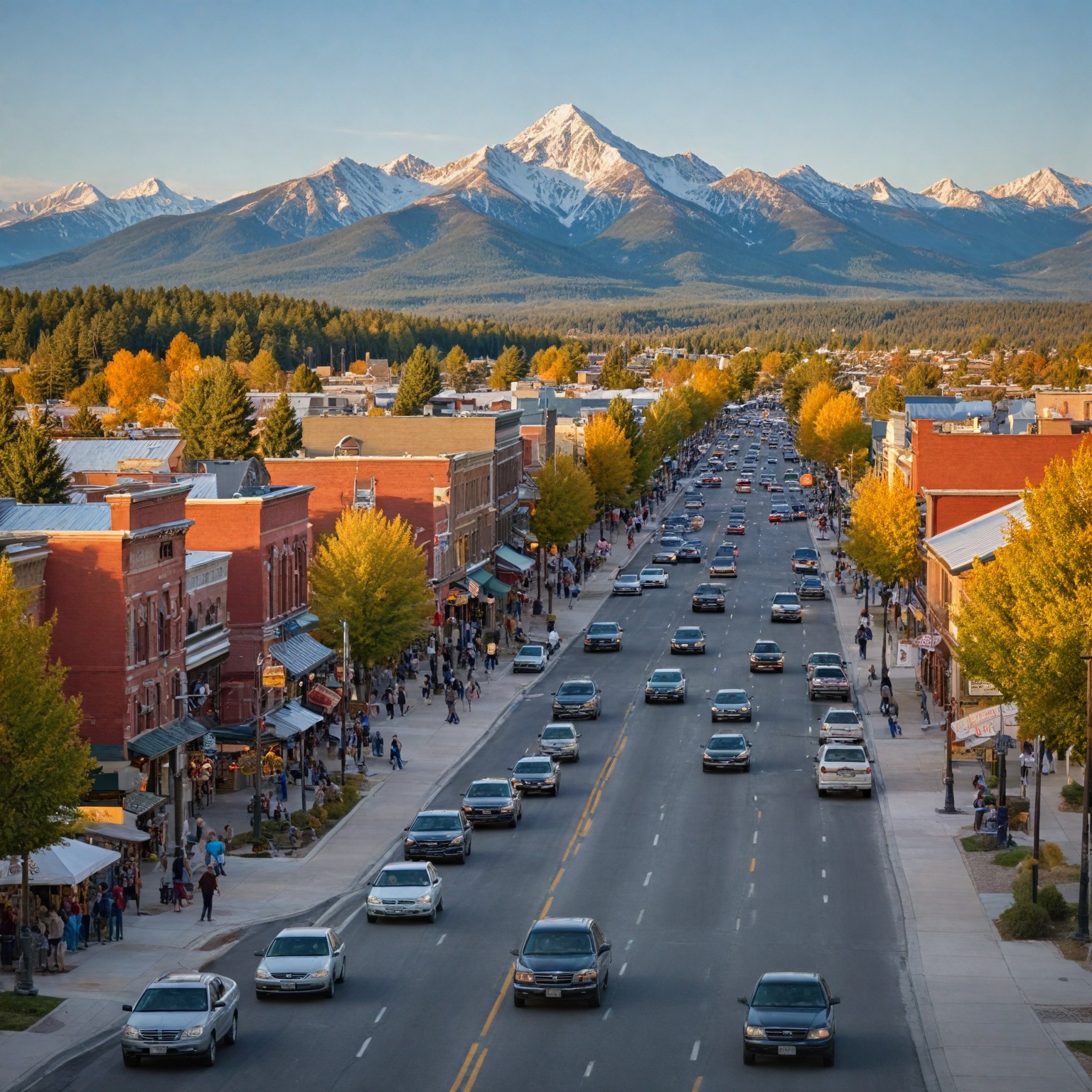
Montana has emerged as a highly sought-after destination for relocation in 2024, attracting individuals and families with its spectacular natural landscapes, diverse living environments, and abundant outdoor recreational opportunities. From vibrant cities like Billings and Missoula to tranquil mountain towns such as Whitefish and Big Sky, the state offers a variety of lifestyles that appeal to a broad spectrum of preferences. Montana’s combination of scenic beauty, economic stability, and community vitality positions it as a compelling choice for those seeking quality of life in the American West.
The state’s top residential destinations were selected based on a comprehensive set of criteria, including healthcare access, housing affordability, employment opportunities, safety, and availability of outdoor amenities. Notably, Montana cities like Billings and Missoula have been recognized for outperforming larger metropolitan areas in healthcare quality, while diverse economies across Helena, Bozeman, and other locales contribute to stable job markets that support population growth and housing demand. Community engagement through festivals, farmers markets, and cultural events further enhances the social fabric of these destinations.
Montana’s climate presents both benefits and challenges for residents. While the state enjoys glorious springs, summers, and falls conducive to outdoor activities, harsh winters with heavy snowfall and cold temperatures—especially near the Rocky Mountains—require adaptation and preparedness. These seasonal variations influence lifestyle choices and infrastructure needs across the region.
Together, Montana’s blend of economic opportunity, high-quality healthcare, vibrant communities, and unparalleled natural environments make its top destinations some of the most desirable places to live in 2024. Prospective residents are encouraged to weigh factors such as cost of living, employment prospects, and climate when considering a move to this diverse and dynamic state.
Overview of Montana as a Residential Destination
Montana has become an increasingly popular destination for those looking to relocate, drawn by its breathtaking natural scenery, diverse terrain, and abundance of recreational opportunities. The state offers a wide range of living environments, from vibrant cities to quiet rural towns, catering to different lifestyle preferences and making it an attractive choice for many.
The landscape of Montana is characterized by majestic, glacier-carved peaks, ancient forests, turquoise lakes, and rambling streams that remain largely unspoiled. This variety of ecosystems supports rich biodiversity and provides residents with ample opportunities to engage with nature. Towns such as Whitefish, Big Sky, Ennis, and Polson showcase the state’s scenic diversity, offering everything from alpine splendor to serene lakefront settings.
Montana’s climate presents a trade-off for residents. While summers, springs, and falls are often described as glorious with plenty of outdoor activities available, winters can be harsh and challenging due to frigid temperatures and heavy snowfall, especially in areas near the Rocky Mountains. These severe weather conditions can affect daily life, from commuting and outdoor recreation to accessing services in remote locations.
Economically, Montana supports a stable and growing job market that influences housing demand across the state. Key sectors include tourism, agriculture, technology, government services, and manufacturing. Cities like Helena benefit from a mix of government agencies, small businesses, and emerging industries such as environmental services and software engineering, while Billings is known for specialized manufacturing and professional services, contributing to a diverse economic base.
Community life in Montana is vibrant, with numerous local events and cultural activities that help foster a strong sense of connection among residents. Popular events like the Under the Big Sky Music Festival and Huckleberry Days Arts Festival, alongside weekly farmers markets and a variety of dining and coffee establishments, create an engaging social environment.
Criteria for Selection of Top Destinations
The selection of Montana’s top 10 dream destinations to reside in for 2024 was based on a comprehensive evaluation of multiple key factors aimed at measuring overall quality of life in metro areas with populations exceeding 7,500. These criteria encompassed access to healthcare, availability of open outdoor spaces, ease of navigability, housing market trends, employment statistics, income levels, and average travel time to work.
Healthcare quality played a significant role in the rankings, with Montana’s institutions receiving national recognition for their standards of care. Cities like Billings and Missoula notably outperformed major metropolitan areas such as Minneapolis, Boston, and Seattle in healthcare categories, contributing positively to their overall standings. The presence of well-rated hospitals, including facilities with five-star Medicare ratings and high safety grades, underlined the importance of healthcare infrastructure in the selection process.
Economic vitality was another critical component. Cities with diverse economies—ranging from specialized manufacturing and professional services in Billings to government, education, and technology sectors in Helena—were favored for their stable and growing job markets. Growth rates, particularly for younger demographics, and opportunities within healthcare, education, and technical fields were also taken into account.
Housing market conditions influenced the selection, with attention paid to median home prices, mortgage rates, and affordability trends projected for 2024. Despite historically high mortgage rates, a recent stabilization trend was noted, reflecting a dynamic but cautiously optimistic housing environment. Demographic shifts, including an influx of newcomers seeking improved living conditions, further impacted housing demand and development in chosen destinations.
Community engagement and quality of life factors such as local events, cultural attractions, dining options, and crime rates were integral to the evaluation. Frequent community gatherings like music and arts festivals, farmers markets, and diverse restaurant scenes contribute to vibrant social environments. Crime statistics and public school quality also influenced rankings, with safer communities and strong educational systems preferred.
Finally, outdoor recreation and natural amenities were emphasized due to Montana’s renowned landscapes. Access to hiking, biking, fishing, skiing, and proximity to iconic locations such as Yellowstone National Park and Glacier National Park were significant draws, catering to residents’ lifestyle preferences and enhancing the appeal of the destinations.
Together, these multifaceted criteria provided a balanced and thorough framework to identify Montana’s most desirable places to live in 2024, combining economic opportunity, health, safety, community vitality, and natural beauty.
Top 10 Dream Destinations to Reside in 2024
Montana offers a diverse array of destinations that cater to various lifestyles, from bustling urban centers to serene natural retreats. The following are the top 10 dream places to live in Montana for 2024, each providing unique opportunities and quality of life factors that make them standout choices.
1. Billings
Billings, Montana’s largest city, is highly ranked among the best places to live in the United States for 2024 due to its strong economy and vibrant community life. The city’s economy is supported by specialized manufacturing, processing, and professional services that serve the surrounding rural areas. Billings also hosts cultural attractions like the Yellowstone Art Museum and Moss Mansion Museum, drawing young professionals and families alike. With Billings-Logan International Airport and Montana State University Billings, the city balances accessibility with education and culture. Local events such as the Under the Big Sky Music Festival and Huckleberry Days Arts Festival enhance community engagement. Billings also excels in healthcare, boasting facilities with five-star Medicare ratings and top safety grades, contributing to its appeal.
2. Missoula
Missoula, the second most populated city in Montana, offers a blend of urban amenities and outdoor lifestyle options. It is known for its lively downtown, hosting farmers markets, local restaurants, and coffee shops that foster a close-knit community atmosphere. The city appeals to nature lovers and cultural enthusiasts alike, with numerous outdoor activities nearby and a vibrant arts scene. Missoula ranks high in quality of life measurements, including healthcare access and employment opportunities.
3. Bozeman
Nestled in the Gallatin Valley and surrounded by the Bridger, Gallatin, and Tobacco Root Mountains, Bozeman attracts outdoor enthusiasts and eco-tourists. Popular trails like the Fairy Falls Trail showcase the area’s natural beauty, and there are numerous low-impact accommodation options such as solar-powered yurts. Bozeman’s mix of scenic landscapes, outdoor recreation, and cultural activities makes it a year-round destination for residents seeking both adventure and community.
4. Helena
Montana’s capital city, Helena, has a stable and growing economy based on government agencies, small businesses, and sectors such as education, environmental services, and construction. The city’s economy provides diverse employment opportunities, contributing to its attractiveness as a place to live. Its historic downtown and friendly community add to the city’s charm.
5. Kalispell
Located in northwest Montana, Kalispell offers convenient access to Glacier National Park and other natural attractions. The city has a moderate cost of living with affordable home prices relative to income, making it an attractive option for residents. Outdoor activities such as hiking, rafting, and scenic boat tours are popular, supported by a strong tourism sector that fuels the local economy.
6. Whitefish
Whitefish is a renowned destination for outdoor recreation, especially with the Whitefish Mountain Resort nearby. Residents enjoy year-round activities such as skiing and snowboarding in the winter, and hiking and sightseeing in the summer. The area’s scenic beauty and vibrant resort culture appeal to those seeking an active lifestyle with access to mountain amenities.
7. Belgrade
Belgrade is praised for its friendly community and diverse local economy that includes businesses of various sizes. Its convenient location allows residents to commute easily within 10-15 minutes to schools, grocery stores, and workplaces. Rankings for Belgrade consider factors such as low crime, quality public schools, cost of living, job opportunities, and local amenities, making it a practical choice for families and professionals.
8. Great Falls
Despite some criticisms, Great Falls remains one of Montana’s larger cities with access to cultural institutions and natural beauty. It offers affordable living options, though residents report challenges related to social issues. The city’s mix of government, industrial, and service-sector jobs provides employment opportunities.
9. Big Sky
Big Sky attracts outdoor enthusiasts with its proximity to Yellowstone National Park and Big Sky Resort. The area offers hiking, fishing, skiing, and other recreational activities that appeal to residents who prioritize an active lifestyle immersed in nature. The community supports tourism-driven growth while maintaining a focus on quality of life.
10. Livingston
Livingston is noted for its vibrant arts and cultural scene, as well as its proximity to stunning landscapes. It offers a blend of small-town charm with access to outdoor activities. This combination draws residents who value community engagement and scenic beauty.
These top destinations showcase Montana’s blend of economic opportunity, community spirit, natural beauty, and cultural richness, making the state a compelling choice for individuals and families seeking a new place to call home in 2024.
Regional Highlights and Natural Landscapes
Montana’s diverse regions offer a stunning array of natural landscapes and vibrant communities, each providing unique experiences and scenic beauty. Western Montana’s Glacier Country is renowned for its majestic, glacier-carved peaks, ancient forests, and turquoise lakes that remain largely untouched. This area encompasses a rich tapestry of ecosystems, including forests, glaciers, lakes, rivers, wetlands, and a variety of geological features that create a haven for diverse flora and fauna. The Crown of the Continent—centered on Glacier National Park—showcases breathtaking mountain peaks, vast wilderness areas, lush alpine forests, and crystal-clear lakes that invite exploration and outdoor adventure.
In southwestern Montana, the Bitterroot Valley is framed by the Bitterroot and Sapphire mountain ranges and dotted with charming small towns like Hamilton and Stevensville. This region is celebrated for its lush farmlands, scenic drives, and excellent outdoor recreation opportunities, including hiking, fishing, horseback riding, and wildlife viewing. The valley’s combination of natural beauty and welcoming communities makes it a favored destination for nature lovers and those seeking a peaceful lifestyle.
The Gallatin Valley, encompassing towns such as Belgrade and Livingston, offers a blend of outdoor activities and cultural experiences. Surrounded by the Bridger, Gallatin, and Tobacco Root Mountains, the area is popular among outdoor enthusiasts who enjoy hiking, fishing, and skiing, as well as visitors drawn to the local arts, craft beer scene, and vibrant cultural events. Belgrade stands out as an attractive place to live, with affordable homes, top-rated public schools, and scenic views of the surrounding mountains. Meanwhile, Livingston provides a gateway to Yellowstone National Park and features stunning sunrises over the Absaroka and Gallatin Mountain Ranges.
Further north, the Flathead Range and its nearby communities, including Kalispell, offer access to Wild Horse Island and cultural sites like the Hockaday Museum of Art and Conrad Mansion. Kalispell serves as the economic and cultural hub of Flathead County, combining stable economic opportunities with a lively downtown area filled with boutique shops and artisan cafes. The median home prices in Kalispell and nearby towns reflect the region’s appeal for residents seeking both natural beauty and a thriving community.
Comparative Analysis of Top Destinations
Montana’s top residential destinations each offer a unique blend of lifestyle, economic opportunity, and natural beauty, catering to a diverse range of preferences and priorities. A comparative analysis reveals key factors that differentiate these locales and contribute to their appeal.
Economic and Employment Landscape
Billings stands out as Montana’s largest city with a robust economy supported by specialized manufacturing, processing, and professional services. It benefits from significant infrastructure such as Billings-Logan International Airport and Montana State University Billings, attracting both young professionals and families seeking urban amenities alongside access to outdoor activities. Helena’s economy is characterized by government agencies, small businesses, and a growing presence in education, environmental services, and construction, offering a stable job market and appealing to those looking for a balanced urban-rural lifestyle. Other destinations, including Missoula, benefit from strong healthcare and education sectors, reinforced by the University of Montana, providing diverse professional and technical opportunities.
Quality of Life and Community
Several cities, such as Helena/East Helena, receive high marks for climate, culture, and community engagement. Helena is noted for its supportive and active population, making it an excellent choice for families despite a relatively higher cost of living. Billings and Missoula rank highly in healthcare quality, surprisingly surpassing some larger metropolitan areas like Minneapolis and Boston in national studies, which underscores Montana’s strong medical infrastructure. Additionally, many locales boast vibrant local events, such as the Under the Big Sky Music Festival and Huckleberry Days Arts Festival, primarily centered downtown, fostering community connection and cultural vitality.
Outdoor and Recreational Opportunities
Outdoor enthusiasts find ample appeal across Montana’s top destinations. Cities like Missoula and Kalispell offer extensive trail systems for hiking and biking, as well as river-focused recreation, notably along the Clark Fork River. The presence of eco-tourism options, including solar-powered yurts and low-impact campsites, caters to those seeking immersive nature experiences without significant environmental disruption. These natural assets are a vital factor in lifestyle decisions, enhancing the attractiveness of Montana’s residential options.
Housing and Cost of Living Considerations
Montana’s economic growth in tourism, agriculture, and technology has influenced housing demand across these destinations, with local markets reflecting this dynamic. While Helena faces a higher cost of living, other areas benefit from the absence of a statewide sales tax, contributing to a comparatively lower cost of living and influencing everyday economic behavior. This tax advantage enhances affordability and impacts residents’ quality of life.
Safety and Public Services
Safety rankings, access to public schools, and local amenities also play crucial roles in evaluating these cities. Helena/East Helena scores well on these factors, reinforcing its reputation as a family-friendly and secure place to live. The broader region’s low population density and
Tips for Relocation to Montana
Relocating to Montana offers an exciting opportunity to experience diverse landscapes, vibrant communities, and a variety of lifestyles ranging from urban to rural settings. When planning a move to the state, several key considerations can help make the transition smoother.
First, prospective residents should explore a wide range of towns across Montana, as the state is filled with great places to live beyond just the top-ranked locations. Identifying the qualities that appeal most—whether it’s access to outdoor recreation, cultural amenities, or a quieter rural atmosphere—can guide the search for the perfect community. Montana’s varied terrain and recreational options mean there is something for everyone, from bustling cities to tranquil mountain towns.
It is also beneficial to consider timing when planning the move. Those looking to relocate should be mindful of the housing market and construction trends. Montana has experienced a slightly higher than average rate of new residential construction permits, which may lead to improved housing affordability in many areas. This economic growth, influenced by sectors such as tourism, agriculture, and technology, is driving workforce expansion and increasing housing demand.
Another important factor is researching local community attributes, such as safety, cost of living, and job opportunities, which vary significantly by location. For instance, some towns may offer strong community support and numerous cultural events, while others provide a more quiet and scenic lifestyle. Engaging with current residents’ reviews can provide valuable firsthand insight into living conditions, amenities, and social environment.
Lastly, new residents should take advantage of local events and social gatherings to quickly become part of the community. Montana towns often host popular festivals, farmers markets, and outdoor activities that foster connections and enrich daily life. Planning your relocation around such events can ease the transition and help newcomers build meaningful relationships.
The content is provided by Blake Sterling, Brick By Brick News