Summary
Homeowners insurance is a vital financial product that protects property owners from losses due to natural disasters, accidents, theft, and other hazards. Securing such insurance often involves an underwriting process that may require a physical home inspection to evaluate the property’s condition, estimate replacement costs, and assess risk factors. While inspections are not universally mandatory, they have become increasingly common, especially for older homes or properties in high-risk areas, as insurers seek to mitigate potential claims and set accurate premiums.
Despite the prevalence of inspections, it is possible to obtain homeowners insurance without one. Some insurers offer policies that waive physical inspections by relying on alternative risk assessment methods such as online tools, satellite imagery, public records, and applicant-provided information. These flexible options can expedite the insurance process and make coverage more accessible, particularly in competitive housing markets or for newer construction. However, foregoing a traditional inspection may limit the insurer’s understanding of the home’s condition and increase the risk of underinsurance or claim disputes.
Home inspections for insurance purposes vary in scope, ranging from limited “4-point” inspections—focusing on critical systems like the roof, electrical, plumbing, and HVAC—to comprehensive assessments of structural integrity and safety hazards. The results influence insurers’ decisions to issue, modify, or cancel coverage and can affect premium rates or eligibility for discounts. Conversely, some homeowners view inspection requirements as burdensome or inconsistent, leading to controversy over their necessity and implementation.
Legal and regulatory considerations also shape inspection practices. Insurers generally have the right to conduct exterior inspections but must obtain homeowner consent for interior access, and refusal to allow inspections may result in policy denial or cancellation. Ultimately, while obtaining homeowners insurance without an inspection is feasible under certain conditions, homeowners and insurers alike must balance convenience, risk assessment accuracy, and protection against unforeseen losses.
Overview of Homeowners Insurance
Homeowners insurance is a critical financial product designed to protect property owners from losses related to natural disasters, accidents, theft, and other hazards. However, securing homeowners insurance can be challenging, particularly in areas at high risk for hurricanes, tornadoes, wildfires, and similar events, where insurance rates have dramatically increased or coverage has been denied altogether.
To address these challenges, insurance companies commonly require home insurance inspections as part of their underwriting process. These inspections help assess the replacement cost of the home and evaluate the risks involved in insuring the property. Although not universally mandatory, inspections have become more prevalent as insurers tighten their requirements to better understand the condition and vulnerabilities of the home.
The timing of home insurance inspections varies by insurer and state regulations. Some carriers require inspections before issuing coverage (“Pre-Bind”), while others may conduct inspections within 30 to 60 days after binding a policy. This process ensures that insurers have the necessary information to decide whether to insure the home and to set appropriate premium rates. In fact, some experts suggest that an insurer not requiring an inspection might be a red flag.
Beyond underwriting, home inspections also provide valuable insights to homeowners and buyers. They help identify potential issues that could impact safety, future repair costs, and insurance eligibility. Certain inspections, such as wind mitigation and four-point inspections, may be required by insurers to provide coverage. Understanding the home’s condition enables homeowners to make informed budgeting decisions and choose suitable insurance coverage or warranties.
In the context of real estate transactions, inspection contingencies traditionally allow buyers to cancel a purchase agreement if the property condition is unsatisfactory, protecting their earnest money. However, in competitive seller’s markets, buyers may feel pressured to waive these contingencies to strengthen their offers, potentially increasing risks if underlying home issues go undetected.
Homeowners Insurance Inspections
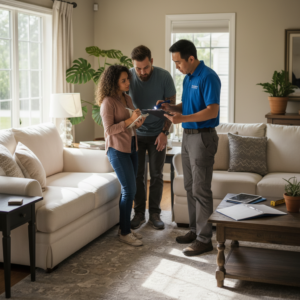
Homeowners insurance inspections are assessments conducted by insurance companies to evaluate the condition and risk factors of a property before issuing or renewing a policy. While not always mandatory, many insurers require these inspections as part of their underwriting process to verify information provided in the application and to assess the insurability of the home.
Types of Inspections
Inspections can vary in scope depending on the age, value, and condition of the home. A common type is the 4-point inspection, typically required for homes over 25 years old that have not been recently inspected. This brief inspection focuses on four critical areas with finite lifespans: the roof, electrical system, plumbing, and HVAC systems. The goal is to determine the likelihood of near-future claims and whether repairs are needed before issuing a policy. In contrast, a full inspection is more comprehensive, examining both interior and exterior elements such as plumbing, electrical systems, structural integrity, and safety concerns. Full inspections are generally reserved for high-value homes.
Inspection Process and Focus Areas
During the inspection, an inspector may evaluate the home’s exterior features, including the roof, windows, frames, and other structures on the property like detached garages, fences, or sheds. Interior assessments often include checking staircases, railings, countertops, cabinets, garage doors, and the condition of major systems such as HVAC and plumbing. The inspector also looks for safety hazards such as fire risks—electrical fires being a significant concern—as well as structural damage caused by factors like termites.
Some inspections are exterior-only and may not require the homeowner’s presence; these can be completed through simple drive-by assessments or drone flyovers. The results of the inspection help the insurer determine the overall risk, which can influence the premium, coverage terms, or even the decision to issue or cancel a policy.
Impact on Insurance Policies
Home insurance inspections can have several outcomes: continuation of the policy without change, modification of policy terms or premiums, or cancellation of coverage if unacceptable risks are identified. Inspections also allow insurers to verify if safety features are present, such as home security systems or gated community locations, which may qualify the homeowner for discounts. Although some insurers may rely on alternative risk assessment methods—such as online tools, public records, or applicant-provided information—to waive physical inspections, these inspections remain a vital part of the underwriting process for many companies.
It is important for homeowners to understand that inspections assess risks and rebuilding costs rather than market value. Even if a recent home appraisal is available, insurers may still require their own inspection to ensure accurate risk evaluation. Obtaining a professional home inspection before applying for insurance is recommended, as it can identify issues that might affect eligibility or premiums.
Requirements for Home Inspections
Homeowners insurance inspections are often required to help insurance companies assess the risk associated with insuring a property. These inspections evaluate the condition of the home, identify potential hazards, and ensure that the insurance coverage accurately reflects the property’s features and condition. However, not all insurance policies mandate a home inspection; the necessity depends on the insurance company, the specific policy, and factors such as the age and condition of the home.
Typically, inspections are more common when purchasing coverage for older homes or renewing policies on aging properties. Inspections tend to focus on critical elements like the roof’s age and condition, plumbing, electrical systems, HVAC, nearby trees that may pose risks, and safety or security features. For homes older than 25 years that have not been recently inspected, insurers may require a “4-point inspection,” which assesses the roof, electrical system, plumbing, and HVAC systems before issuing a standard policy.
For new construction homes built according to current building codes, inspections may not be necessary because these homes generally present fewer risks to insurers. In cases where interior repairs have been made, the insurer might require a follow-up inspection to confirm the completion of those repairs, often necessitating the homeowner’s presence.
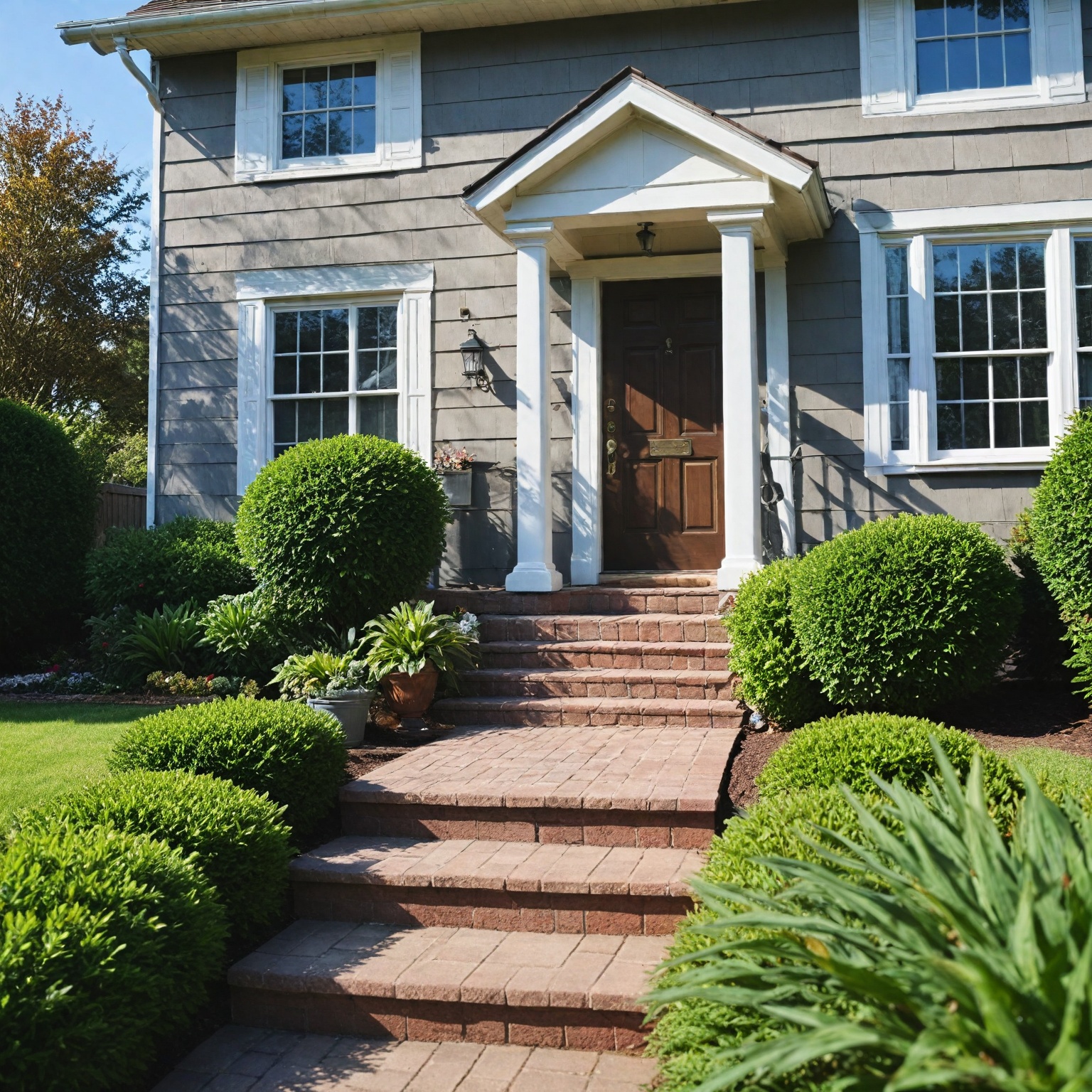
In addition to structural components, insurers may also evaluate adjacent structures such as driveways, walkways, porches, patios, and decks, as any visible damage or hazards (like low-hanging branches or significant cracks) can affect coverage eligibility or lead to repair requirements before insurance approval. The results of the inspection can influence not only policy acceptance but also premium rates and potential discounts, such as those offered for security systems or gated community residences.
While inspections serve a crucial role in underwriting and risk assessment, some homeowners find the process frustrating due to perceived inconsistencies or arbitrariness in how inspections are interpreted by insurers. Despite this, inspections remain a key step for many insurance companies, particularly as underwriting guidelines grow stricter.
Securing Homeowners Insurance Without an Inspection
It is possible to obtain homeowners insurance without undergoing a physical home inspection, depending largely on the insurer and the condition of the property in question. Some insurance companies offer flexible policies that do not require an inspection, instead relying on alternative methods such as online risk assessment tools, public records, and information provided by the applicant to evaluate the insurability of the home. Both traditional and online insurers may adopt this approach, making insurance more accessible for certain homeowners.
However, the absence of a home inspection is not universally accepted among insurers. Many companies consider inspections a crucial part of the underwriting process, helping them verify application details and assess the overall risk associated with insuring the property. Inspections also ensure that the home meets specific safety and building code standards, which is vital for minimizing future claims. In some cases, especially with older homes or properties with significant maintenance issues, an insurer may require repairs to be completed before coverage is approved.
Certain types of inspections, such as 4-point inspections that focus on major components like the roof, electrical, plumbing, and HVAC systems, are often requested for older homes to evaluate their condition and potential risk. Properties that fail these inspections may not qualify for standard insurance policies until necessary repairs or updates are made, with related expenses typically borne by the homeowner. For homes under construction or undergoing renovation, traditional homeowners insurance may not be available; instead, specialized policies like builder’s risk or vacant property insurance might be recommended.
Despite the availability of policies that waive inspections, industry experts caution against skipping this step. Inspections can uncover hidden issues that might otherwise result in costly claims or disputes later on. Furthermore, some insurers require pre-coverage inspections (“pre-bind”) to confirm they wish to insure the property, and a lack of inspection could signal a carrier that is less diligent in risk evaluation. During unusual circumstances such as the COVID-19 pandemic, some companies temporarily waived inspection requirements, but this practice is not the norm.
Alternative Methods for Risk Assessment Without Inspections
Some insurers offer flexible homeowners insurance policies that do not require a physical inspection of the property. Instead, these companies rely on alternative risk assessment methods to evaluate the potential risks associated with insuring a home. Common approaches include virtual inspections using satellite images or drones, and photo submissions facilitated through insurance company apps, allowing the evaluation to be conducted remotely without the need for an in-person visit.
These virtual or remote inspections primarily focus on assessing visible aspects of the property’s exterior and surrounding environment to identify any potential hazards or conditions that could increase the likelihood of future claims. While these methods may not capture every detail that a traditional inspection would, they offer a convenient and faster way to start or maintain coverage, especially for newer constructions or homes in areas where physical inspections are difficult to arrange.
In addition to visual data, insurers often incorporate other information such as the home’s age, maintenance history, local risk factors, and publicly available data to estimate risk and determine premium costs. Some insurers may also consider recent home appraisals; however, it is important to note that appraisals focus on market value rather than the specific risk factors and rebuild costs that insurance inspections assess. Consequently, a home appraisal alone is generally insufficient for underwriting purposes, although some insurers might accept it as part of their evaluation process.
Despite these alternatives, skipping a physical inspection may have drawbacks. Physical inspections typically provide a comprehensive assessment of major home systems and structural integrity, which are critical for accurately determining insurance risk. This includes evaluations of HVAC systems, plumbing, roofing, and insulation, which virtual methods might not fully capture. Furthermore, inspections often include documentation through photos or videos to establish baseline conditions, aiding in future claim assessments.
Ultimately, while alternative risk assessment methods without physical inspections are increasingly available and can streamline the insurance process, homeowners should weigh the pros and cons and consider their specific situation before opting out of a traditional inspection.
Risk Factors and Criteria Evaluated for Waiving Inspections
When considering whether to waive a home inspection for homeowners insurance purposes, insurers carefully evaluate various risk factors related to the property’s condition and maintenance. The primary goal of the inspection is to assess the overall safety, functionality, and structural integrity of the home, which directly impacts the insurer’s risk exposure and premium rates.
Key risk factors include visible signs of structural damage such as cracks in steps or walkways that could lead to injuries and liability claims, as well as fire hazards, which remain a significant concern given the high incidence of electrical fires in homes annually. Inspectors typically examine essential systems like electrical wiring, plumbing, HVAC, and roofing to ensure they are in safe working order and compliant with building codes. For instance, older plumbing or minor leaks might not immediately disqualify a home but could influence the insurance rate or require repairs before policy approval.
Inspections also help verify safety measures that may reduce insurance costs, such as home security systems or residing in secure, gated communities. Moreover, insurers use inspections to enforce homeowners’ maintenance obligations during the policy term, preventing losses caused by neglect—such as damaged roofs—which might necessitate costly repairs even if the home appears superficially sound.
While new constructions present different risk profiles compared to older homes, inspections are crucial for identifying potential future claims arising from deferred maintenance or undetected hazards. Waiving an inspection removes this layer of risk assessment, potentially leading to legal complications or insurance claim disputes if pre-existing issues are later discovered. Consequently, insurers weigh these factors carefully before allowing any waivers, making it generally unwise for homebuyers to skip inspections without protections in place.
Advantages and Disadvantages of Obtaining Insurance Without a Home Inspection
Obtaining homeowners insurance without a home inspection is possible with certain insurers who offer flexible policies that do not require a physical inspection. This approach can expedite the insurance process and reduce upfront hassle for the homeowner. For example, some companies may rely on alternative risk assessment methods, such as automated underwriting algorithms or existing data about the property, to determine coverage and premiums. This can be particularly beneficial for buyers looking to move quickly in competitive markets where waiving contingencies—including inspection contingencies—is becoming more common.
However, while skipping a home inspection may seem convenient, it comes with notable disadvantages. Without an inspection, insurers may lack critical information about the home’s condition, maintenance status, or potential risk factors such as structural damage, fire hazards, or outdated systems. This incomplete understanding can lead to underinsurance, denied claims, or increased premiums if problems surface after coverage begins. Additionally, homes that fail inspections often require repairs before insurance can be issued, and any expenses for remediation fall entirely on the homeowner.
In some cases, insurance companies may provide a grace period allowing homeowners to address issues identified post-application, potentially improving rates or coverage terms if repairs are completed promptly. Yet, if a home’s condition raises significant red flags, the insurer might reject the application altogether, pushing the homeowner to seek coverage from surplus lines carriers or specialized policies such as builder’s risk or vacant property insurance.
Moreover, buyers who waive inspection contingencies to secure a purchase risk missing costly defects that could affect insurance claims or future home repairs, a concern amplified in hot seller markets where inspection waivers are increasingly frequent. While seller disclosure statements provide some information about a property’s condition, they are not a substitute for a thorough inspection, and waiving inspections increases the risk of unforeseen issues.
Practical Tips for Obtaining Homeowners Insurance Without an Inspection
Obtaining homeowners insurance without a physical home inspection is possible but can be challenging, as many insurers prefer or require an inspection
Legal and Regulatory Considerations
Homeowners insurance companies have the legal right to inspect the properties they insure to evaluate risk and verify that the insured home meets certain maintenance standards. However, this right is subject to limitations, particularly regarding the insurer’s access to the interior of the home. While insurers can conduct exterior inspections or request professional inspection reports, they are generally not permitted to enter a home without the homeowner’s consent. Moreover, insurers are not obligated to continue providing coverage if the homeowner denies reasonable inspection requests.
From a regulatory perspective, the requirement for home inspections varies depending on the insurance company and policy type. Not all homeowners insurance policies mandate inspections, and the decision to require one is typically made on a case-by-case basis by the insurer. When inspections are required, they are usually carried out by professional inspectors employed directly by the insurance company or through authorized third-party services.
Insurers use inspections to fulfill their affirmative maintenance obligations and manage financial risk. By conducting inspections during the policy term or at renewal, carriers aim to identify potential hazards, such as structural damage or poor maintenance, before a loss occurs. This proactive approach helps determine the insurer’s exposure to claims and can influence policy rates or standing.
Refusing or waiving an inspection may have legal and practical implications. Without an inspection, homebuyers or homeowners may face difficulties addressing pre-existing issues that affect insurability or claims. In some cases, lacking a proper inspection could result in the need for legal action against home inspectors or reliance on liability insurance if undisclosed problems emerge later. Additionally, insurers may interpret refusal as a risk factor, potentially leading to policy denial or cancellation.
The content is provided by Blake Sterling, Brick By Brick News